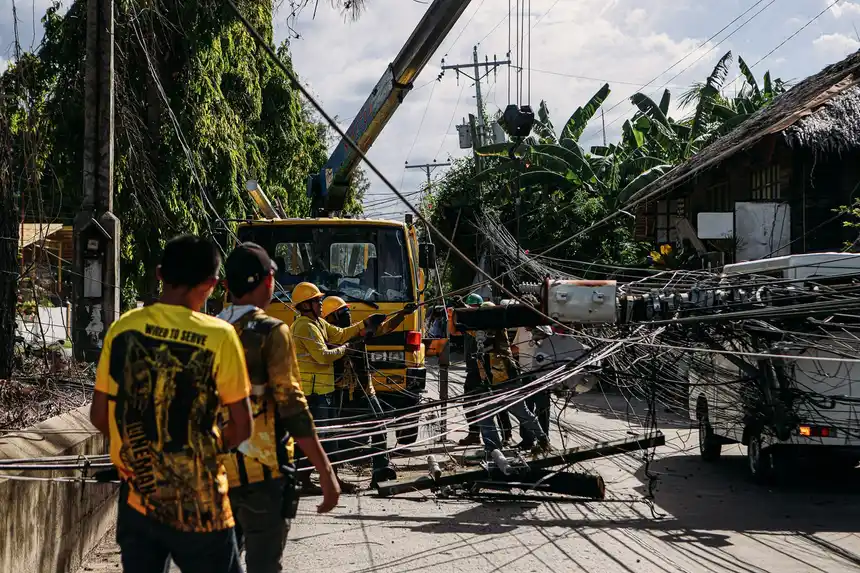
Moisture map
Affected materials and reading locations documented.
Structural drying kuna ID helps you stop hidden moisture from damaging framing, drywall, flooring, and insulation after a leak or flood. We inspect the affected rooms, remove standing water, and set drying equipment according to measured conditions. Our Kuna team works with homeowners, tenants, landlords, and business operators who need a clear plan to dry the structure and limit further disruption.
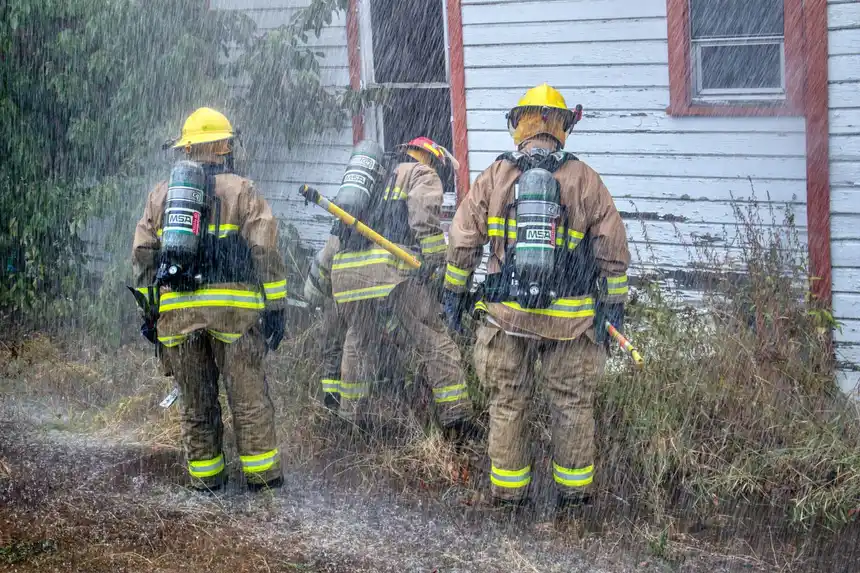
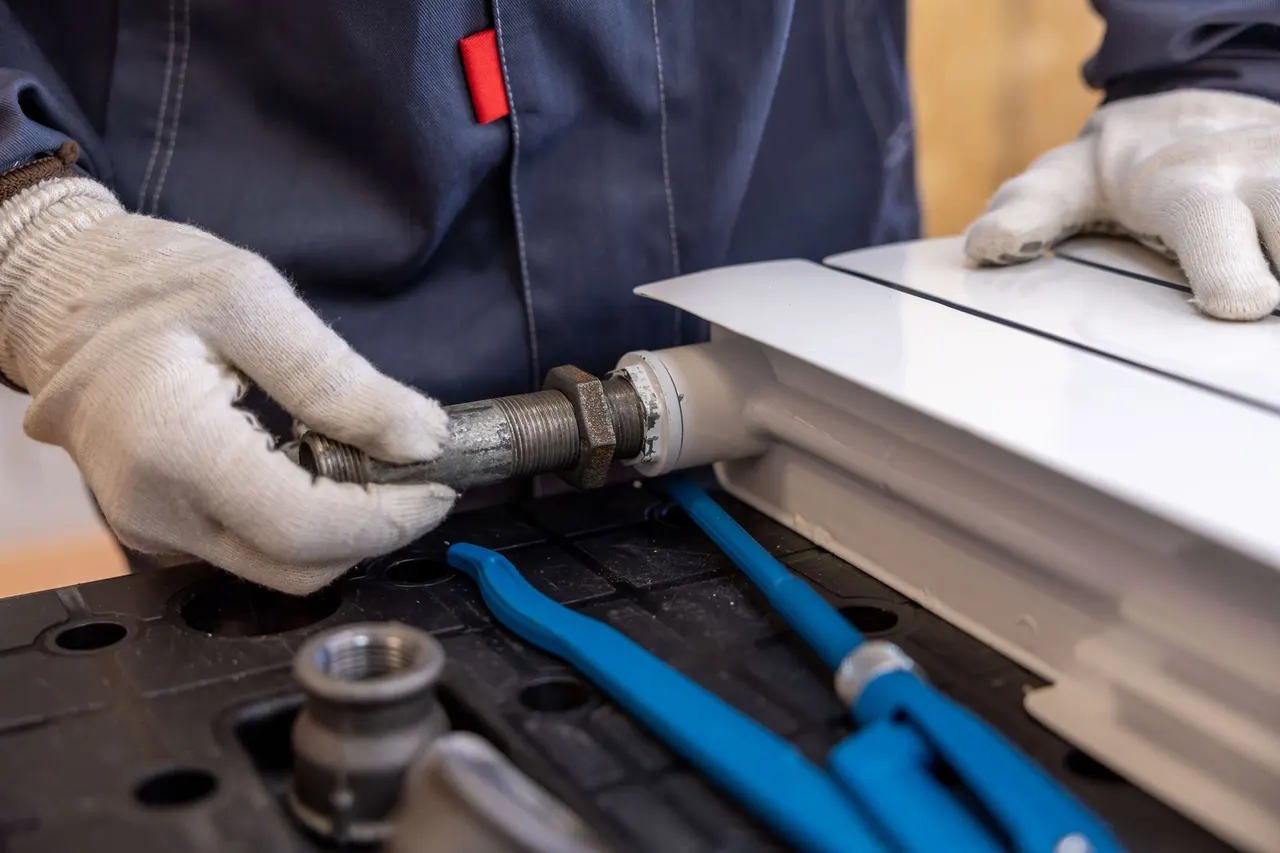
Structural drying includes inspection, water removal when needed, equipment setup, moisture monitoring, and a final review of affected materials. We explain what the readings show and what repair work follows. Cleaning, reconstruction, plumbing repairs, and mold remediation are separate tasks when conditions call for them, and we identify those needs rather than treating them as part of drying by default.
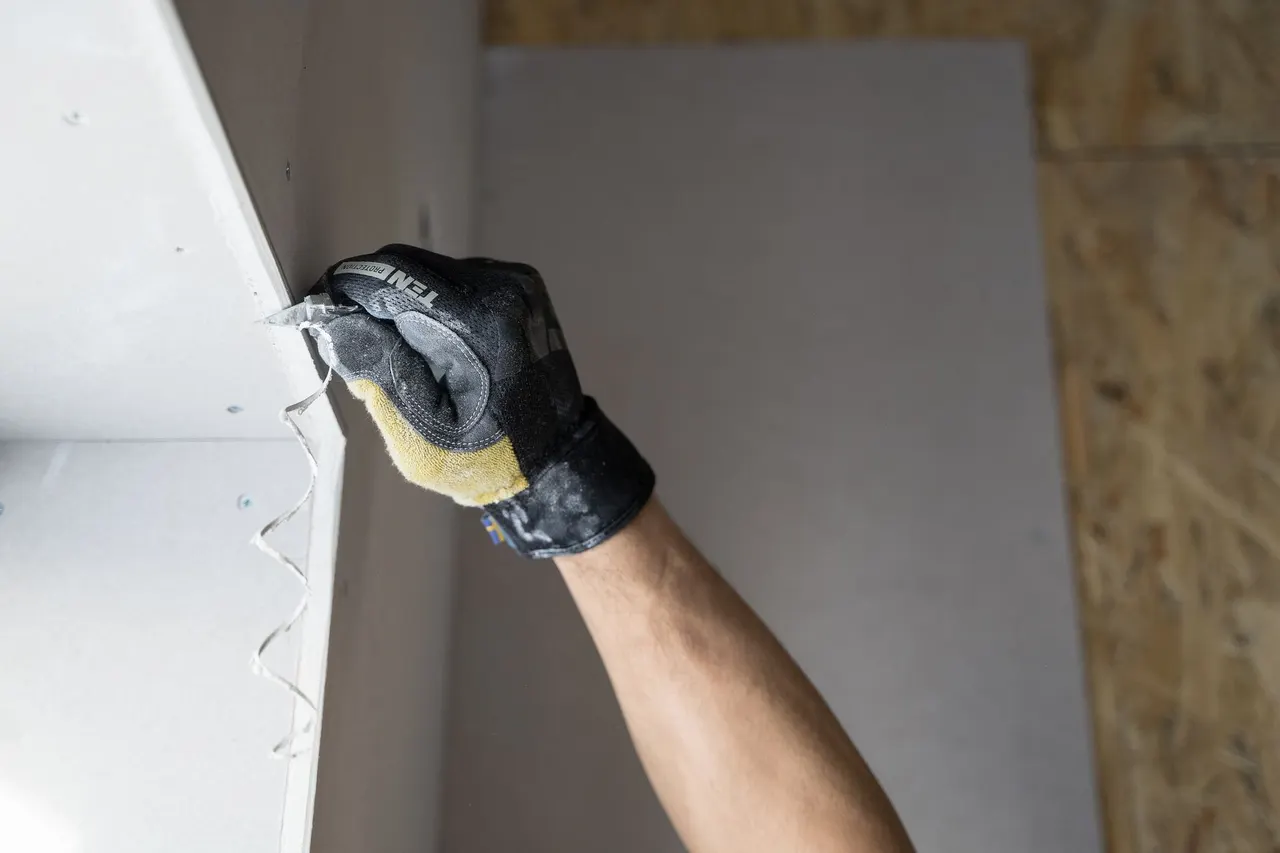
We help homeowners and tenants address water trapped in floors, walls, and ceilings after a leak or overflow. You get a clear account of what we measure, what equipment is running, and which areas need follow-up.
We plan drying around occupied suites, customer routes, and property access. You receive updates on affected zones and equipment checks so repairs and daily operations can be coordinated.
Structural drying kuna ID is a water damage restoration process that removes moisture from building materials after an unwanted water intrusion. We first identify the wet area, check moisture in surfaces and cavities, and determine what can be dried in place. Water extraction comes before controlled airflow and dehumidification; equipment placement changes as readings change. Drying is not complete just because a surface feels dry. We compare readings with unaffected materials and document progress so you know whether drywall, framing, or flooring has reached an appropriate dry condition.
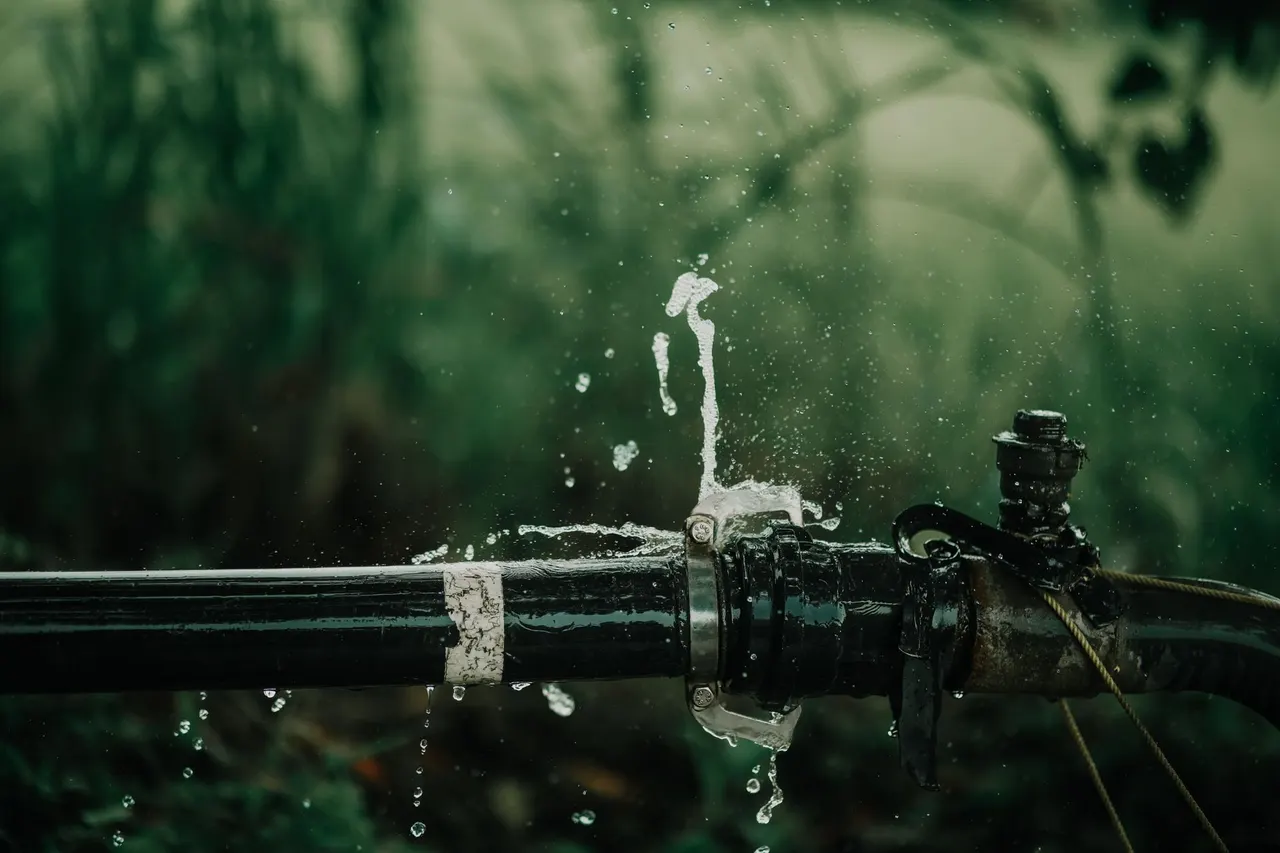
In Kuna, a burst pipe, frozen pipe, slab leak, roof leak, or sump pump failure can send water behind baseboards and beneath flooring before a visible stain appears. Our kuna structural drying services address both the visible mess and moisture that travels through assemblies. For structural drying kuna ID near me, we assess the source, affected materials, and access needed, then explain the drying plan. Winter pipe breaks and spring runoff around Ada County properties call for prompt inspection, not guesswork.
Measured readings show where water remains and when affected materials are ready for repair.
Structural drying in kuna follows a measured sequence: locate water, remove what can be extracted, set controlled drying, and verify the result. We explain each step before equipment enters your home or business. The schedule depends on the materials, water exposure, and readings, so you receive progress updates rather than a promise based on a fixed number of days.
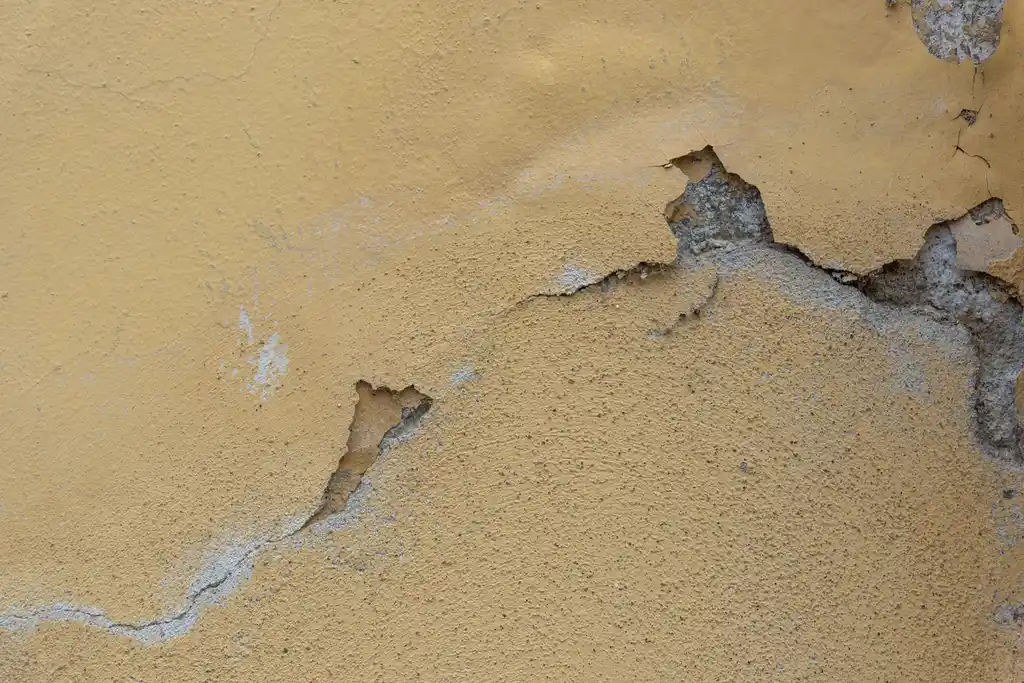
We walk the affected rooms with you, identify the likely water source, and check visible and concealed surfaces. A moisture meter and thermal imaging camera help locate differences that deserve closer testing; thermal patterns are clues, not proof of moisture by themselves. We note affected materials, access points, and any safety concern before deciding where to extract or open.
Our crew removes standing water with an extraction unit and addresses active inflow when it is safe to do so. In a basement, a sump pump may be needed to move accumulating water before drying can begin. We protect unaffected areas and tell you what contents or floor coverings need to be moved so the wet assembly is accessible.
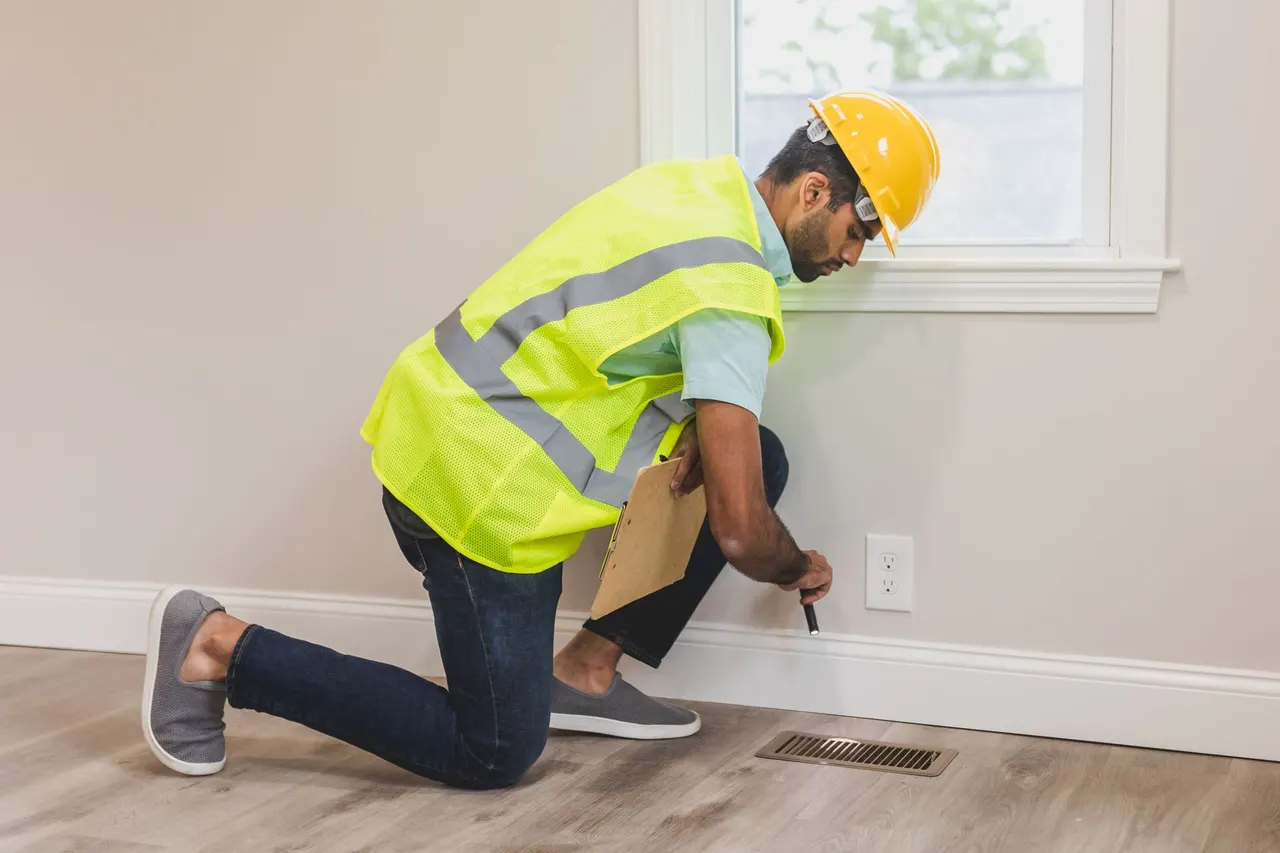
We place air movers to direct airflow across wet surfaces and use a dehumidifier to collect moisture from the room air. Equipment choice and position depend on the affected materials and room conditions, not a one-size layout. You will hear what should remain plugged in, which doors to keep closed, and how to contact us if conditions change.
We return to check moisture readings and the drying environment, commonly at intervals of about 24 hours during active work. If readings stall, we reposition equipment, inspect concealed areas, or revise the plan. You get a direct explanation of the change, along with a record of the materials checked and the progress made.
When readings support completion, we remove drying equipment and review the affected areas with you. We identify repairs that remain, such as replacing damaged drywall or insulation, and distinguish those repairs from drying work. You receive the drying information gathered during the job so the next restoration step starts with documented conditions.
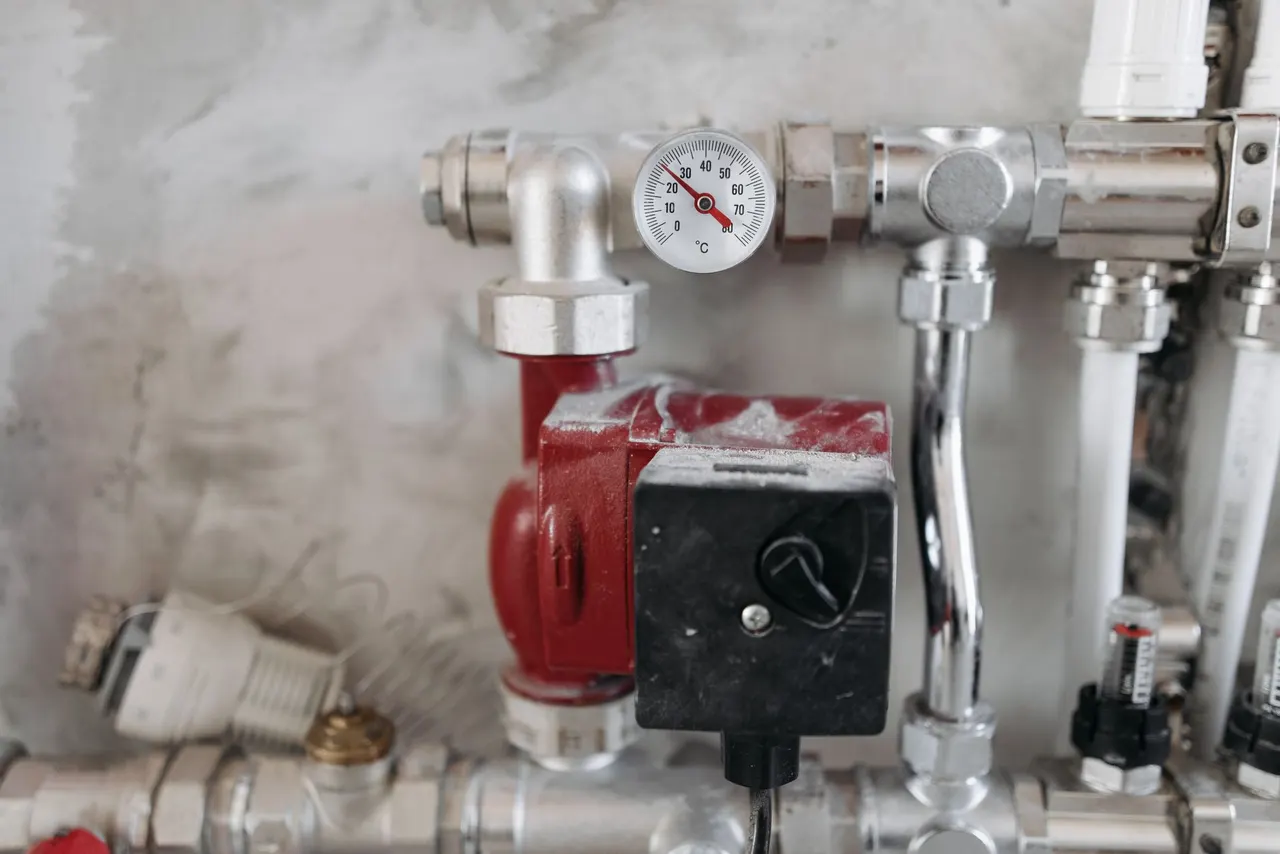
We check moisture in drywall, framing, and flooring, then compare affected readings with unaffected reference materials to track drying progress.
We use thermal patterns to help locate areas for moisture testing. The camera points us toward suspicious temperature differences; meter readings confirm material conditions.
We direct airflow across wet surfaces to support evaporation. Placement changes with the room layout, material type, and readings gathered during follow-up.
A dehumidifier collects moisture released into the room air, supporting controlled drying when paired with appropriate extraction and airflow.
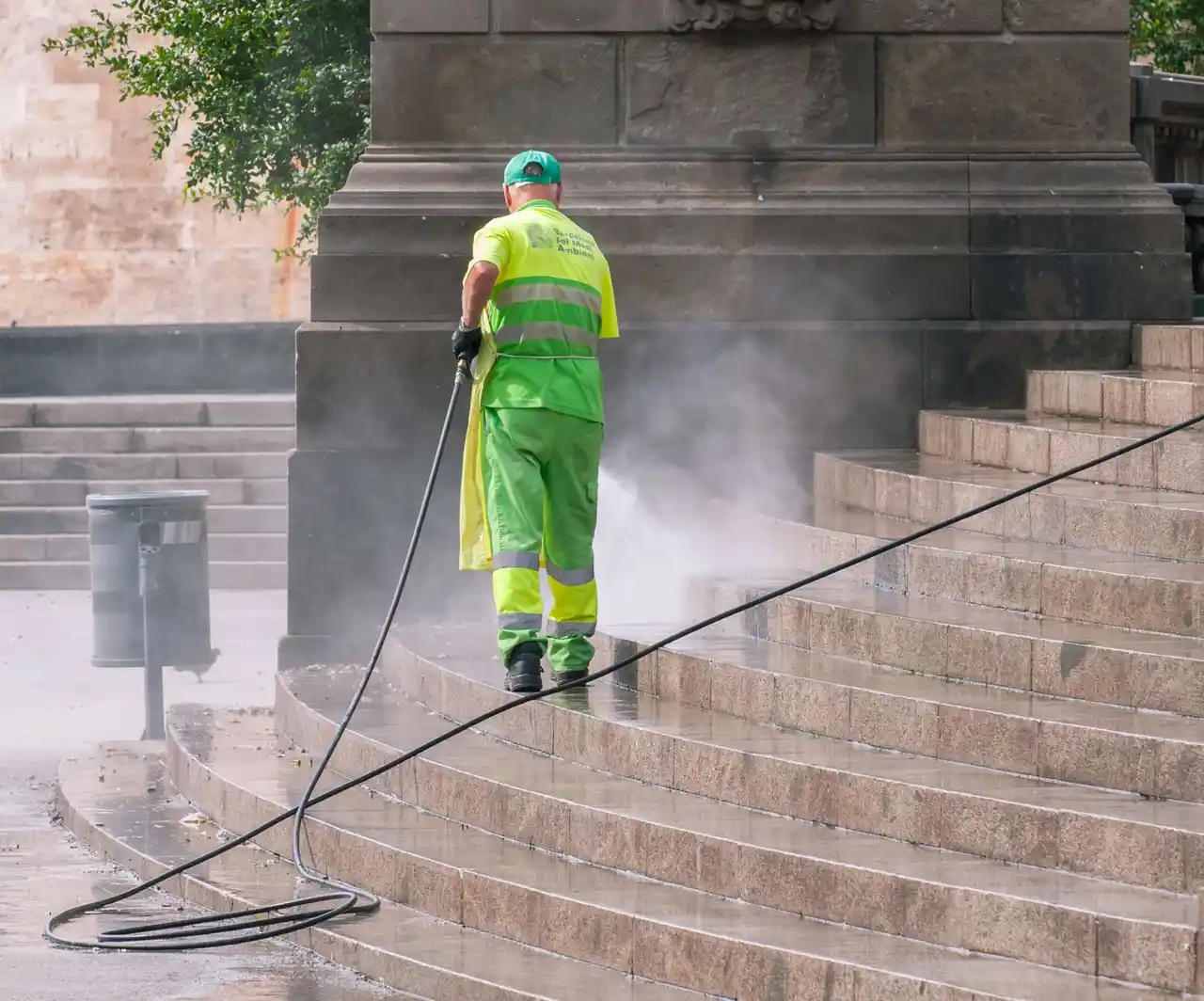
We remove standing water from floors and carpet before drying equipment is set, reducing the amount of moisture left in the affected area.
Dri-Eaz drying equipment supports controlled airflow and moisture removal. We select and position units according to the affected space and measured conditions.
We use ANSI/IICRC S500 principles to guide inspection, water removal, drying, and documentation. The standard supports a measured process: identify the affected materials, establish baseline conditions, select appropriate equipment, and verify progress. The actual work still responds to the building, water source, and readings found at your property.
At setup, we record affected material readings and compare them with suitable dry reference areas. Follow-up checks use the same locations where practical, making changes easier to interpret. If a reading stalls or rises, we investigate the material, access, and room conditions instead of simply extending the equipment run.
We inspect the wall and floor after the leak is stopped, extract remaining water, and check whether insulation or framing is wet. We set equipment to dry the affected materials and schedule reading checks. If the wall cavity needs access, we explain why before that step proceeds. You get a drying plan based on measured conditions, with damaged materials identified before replacement or finish work begins.
We check the ceiling and surrounding surfaces, verify that water entry has stopped, and assess what can be dried in place. Wet ceiling material that cannot be retained is identified for removal. Airflow and dehumidification then target the remaining affected structure. The hidden ceiling area is assessed instead of being covered prematurely, and you know when the room is ready for repairs.
We map the affected zones, extract standing water, and place equipment to keep practical access where conditions allow. The drying checks distinguish the wet rooms from unaffected areas. We coordinate entry with the property contact and explain any areas that need temporary clearance. You can plan staff access and repairs around the actual affected footprint rather than closing spaces that readings show are dry.
We remove pooled water, inspect accessible framing and insulation, and check the vapor barrier for trapped moisture. Once the source is controlled, we place equipment suited to the crawl space and follow readings. Damaged insulation or other unsalvageable materials are identified for removal. The crawl space receives a documented drying plan, and you can address pump or drainage concerns alongside wet-material repairs.
Kuna properties range from newer subdivisions to established homes and small commercial buildings, so wall assemblies, floor finishes, and crawl-space access vary from job to job. In winter, a frozen pipe can release water into an exterior wall before anyone notices; during spring storms, roof leaks and runoff can affect ceilings, basements, and lower-level storage. Our professional structural drying kuna Idaho work starts by identifying the source and measuring affected materials, not by assuming every room needs the same equipment. We serve Ada County, including properties near Indian Creek and the Meridian Road Corridor, and account for occupied homes, rental turnover, and business access. For structural drying in Indian Creek ID, we map the wet area, remove standing water, and monitor readings through the drying cycle. Where reconstruction is required, we keep drying decisions separate from finish repairs and explain the handoff. Your property address and access details help us plan which areas need inspection first.
A supply hose leaked while the family was away, wetting a hallway and the edges of two rooms. The floor felt dry after towels were used, but baseboards had begun to swell and the carpet padding remained damp. No one knew whether moisture had reached the wall framing.
We extracted remaining water, checked the floor and lower walls, and set drying equipment in the affected rooms. Follow-up readings over 4 days showed the monitored materials returning toward dry reference conditions. The family had a clear record of which areas needed flooring repair and which could remain.
Check washing-machine hoses and shutoff connections during routine home checks. If a new leak appears, stop the source, move contents away from the wet area, and call before staining or swelling spreads.
Rain entered around a roof opening and left a brown stain above a Kuna business stockroom. The ceiling surface was still intact, but the owner noticed a damp odor and could not tell whether insulation or framing had been affected.
After the roof entry was addressed, we inspected the ceiling area and measured the affected materials. We removed the portion that could not be retained, directed drying at the remaining assembly, and checked progress over 3 days. The owner could then schedule ceiling repair with a better understanding of the condition above it.
Keep roof drainage and visible roof concerns on a seasonal maintenance list. After a storm, look for new ceiling stains, bubbling paint, or odor and report changes before covering the affected area.
A sump pump stopped during a wet spell, leaving water across the basement floor and dampening carpet padding along one wall. Boxes and stored items sat close to the water line, while the lower drywall looked normal from the doorway.
We removed standing water, separated affected contents, and checked carpet padding and lower wall materials. Air movers and a dehumidifier ran with follow-up checks for 5 days. The owner received a clear list of materials to remove and areas ready for repair once the readings supported completion.
Keep the sump area accessible and check for unusual pump cycling or water accumulation. Move stored items off the floor where practical, and arrange prompt inspection if dampness returns after the pump is serviced.
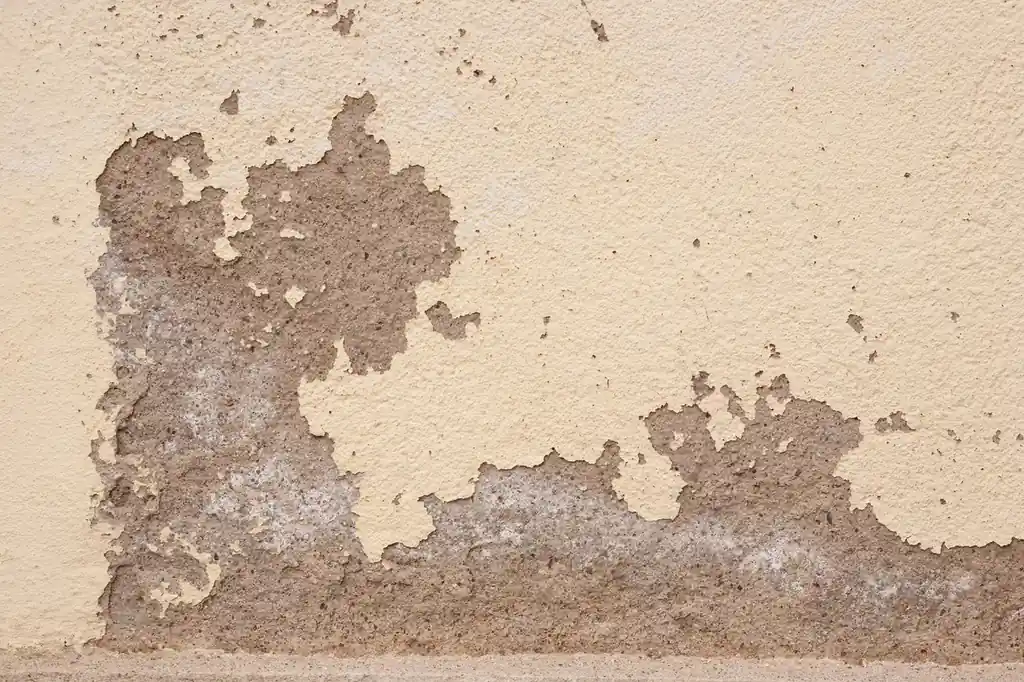
A room can look mostly dry while water remains in a wall cavity, under flooring, or inside insulation. Structural drying kuna ID addresses those hidden conditions with measurement and targeted airflow. If you notice a musty smell, swelling trim, or a stain that keeps changing, an inspection can show whether moisture remains and which materials need attention.
We inspect the cabinet edge and nearby wall, measure accessible materials, and determine whether a controlled opening is needed. After extracting water, we direct airflow and dehumidification toward the affected assembly. Follow-up readings show whether the cavity is drying or needs removal and repair. Moisture can remain trapped behind the cabinet and soften drywall or framing even after the visible floor has been wiped dry.
We check the source area and ceiling materials rather than painting over the stain. Once the roof opening is managed, we assess moisture around the affected section, remove water-damaged material where needed, and dry what can remain. Readings guide when the ceiling is ready for repair. A stain can spread through ceiling material and insulation, while damp framing remains above the visible mark and supports persistent odor or damage.
We remove pooled water, assess the floor and lower wall, and identify materials that should be discarded or dried. A sump pump issue must be addressed alongside drying so the area does not refill. We then monitor the remaining structure and explain any foundation or drainage concern. Water can soak carpet padding, baseboards, stored belongings, and the lower edges of walls; repeated dampness raises the risk of odor and mold growth.
We map moisture across the floor and nearby walls, then coordinate drying after the plumbing source is controlled. Equipment placement depends on the flooring type and readings. We explain which areas need continued monitoring and which finishes need repair, so you are not left guessing from surface appearance. Water can travel beneath flooring and appear far from the leak, leaving hardwood, carpet padding, or adjacent walls wet after the surface looks clean.
A moisture meter helps us check drywall, framing, and flooring beyond the visible stain. Where a wall cavity or ceiling is suspect, we use targeted inspection rather than opening every surface. Catching hidden wet material early reduces the chance of lingering odor or mold growth and helps your repair plan focus on the areas that need attention.
Hardwood flooring and carpet padding respond differently to water, so we measure before deciding what can stay. We extract surface water, manage humidity, and direct airflow where it is useful. A controlled setup gives suitable materials a chance to dry while helping you avoid replacement based only on appearance.
For a shop, office, or rental, drying equipment is placed to keep access routes usable where conditions allow. We coordinate room access and explain which areas need to remain open. Commercial structural drying kuna ID can help you plan around a wet suite without treating an entire building as one drying zone.
We record material readings at setup and during follow-up checks, then adjust air movers and the dehumidifier as conditions change. You can see why equipment remains in place and what readings support completion. That practical record also helps organize conversations with your adjuster and repair contractors.
Clear records you can keep and share.
Affected materials and reading locations documented.
Placement and access instructions for drying equipment.
Follow-up readings and drying closeout information.
A surface can feel dry while water remains inside a wall, floor, or ceiling assembly. We use readings and comparisons to guide equipment changes and determine when drying work is complete.
A stain shows where water appeared, not necessarily where it traveled. We inspect nearby materials and take readings before planning repairs.
Air movers support evaporation when positioned for the affected surface. We adjust their direction as readings and room conditions change.
Some materials can be dried in place, while others need removal. We explain the condition and access needed before moving to repair.
Outside these neighborhoods? Call and ask about service for your address. (833) 546-4116
Kuna water damage restoration handles structural drying for homes and businesses in Kuna, Idaho. We inspect affected materials, remove standing water, set drying equipment, and track moisture readings through completion. For a burst pipe or roof leak, call (833) 546-4116 and describe where water entered and which rooms are affected. We will explain the next practical step and whether the area needs immediate extraction or a full moisture assessment.
Typical 2026 structural drying costs in Kuna range from about $500 to $4,500 for many contained losses, with larger or concealed damage costing more. Price depends on affected square footage, water volume, material type, equipment days, and any removal work. A small room with accessible flooring costs less than a multi-room loss with wet wall cavities. We explain pricing upfront after assessing the damage and identifying the drying work.
Many structural drying jobs in Kuna take 3 to 5 days, while dense materials or concealed moisture can extend drying to 7 days or longer. We check readings during the process and change equipment placement if progress slows. The clock starts after water extraction and depends on the amount of water, material thickness, temperature, and indoor humidity. We update you as readings show whether the affected materials are approaching dry conditions.
Home insurance often covers sudden, accidental water damage and reasonable drying work, but coverage depends on your policy and the cause. A gradual leak, maintenance issue, or flood exclusion can change the decision. We document affected areas, readings, and work performed so you can share clear information with your adjuster. Contact your insurer promptly, keep damaged items available for inspection, and ask how they want emergency mitigation documented.
Wet drywall, a buckled floor, or a ceiling water stain needs a measured inspection before repairs cover it up. Call Kuna water damage restoration at (833) 546-4116 to discuss the leak, affected rooms, and the next drying step. Our team will explain the work and upfront pricing.
Call (833) 546-4116 when water reaches your home or business in Kuna, Idaho. Tell us whether the source is still active, which rooms are affected, and when the damage began; that helps direct the next steps. Calls are accepted at any hour for emergency inquiries, and service coverage includes Kuna, ID, with ZIP codes 83634 and 83642.