Emergencywaterdamagerepair in Sundial for Wet Homes

When a pipe breaks or water pushes into your home, emergencywaterdamagerepair in Sundial starts with stopping the source and extracting standing water. We serve Sundial Ridge and Sundial Meadows, including homes in ZIP code 83634, with a practical plan for drying floors, walls, and concealed spaces. Sundial emergencywaterdamagerepair includes inspection, moisture checks, and clear next steps, so you know what needs attention before wet materials are covered or repaired.

emergencywaterdamagerepair in Sundial

Serving Sundial and Kuna

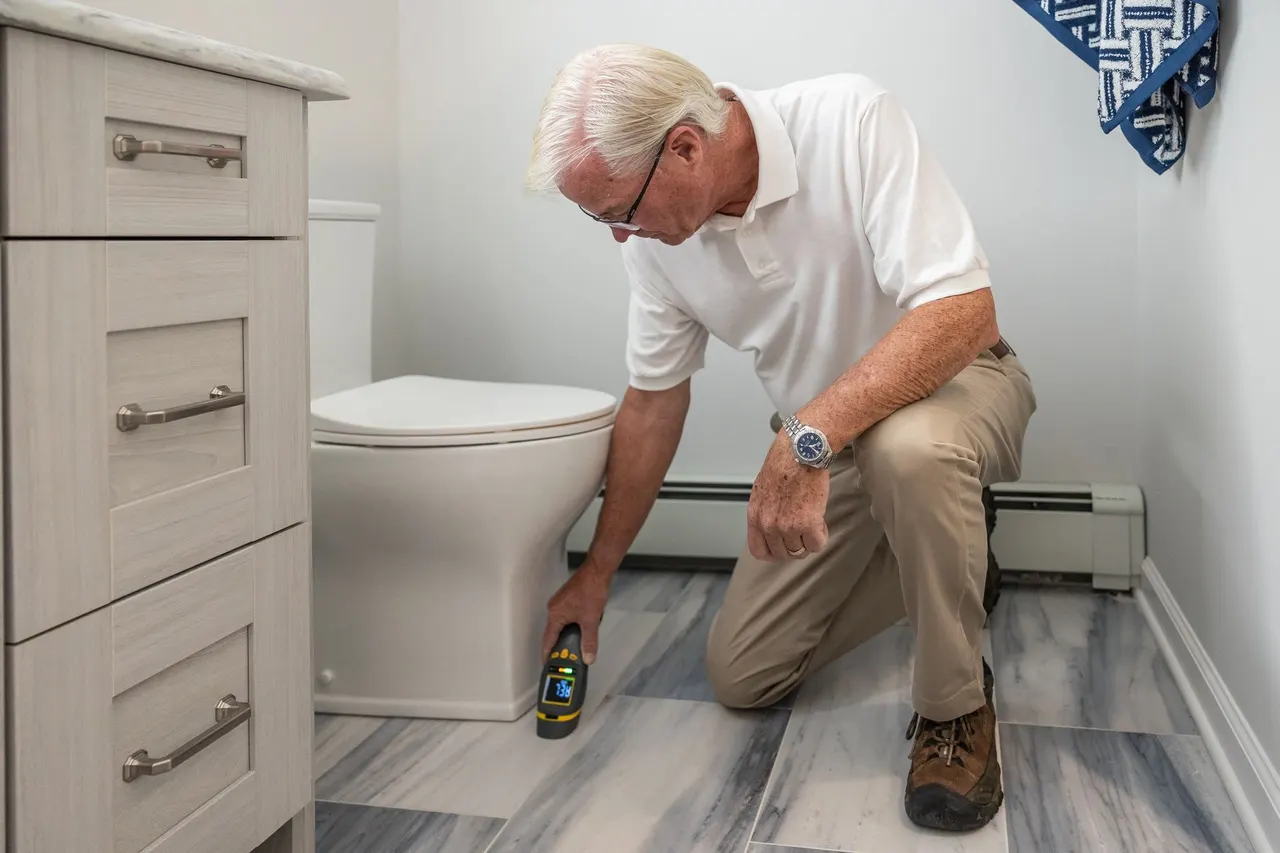
  • Readings RecordedMoisture checks guide drying decisions
  • Work Area ProtectedContents moved away from wet surfaces
  • Steps ExplainedYou hear what happens next
  • Equipment CheckedAirflow placement reviewed during work

emergencywaterdamagerepair in Sundial, Done Locally

emergencywaterdamagerepair in Sundial is a water mitigation service that removes unwanted water and dries affected building materials after leaks, flooding, or plumbing failures. We work across Sundial Ridge and Sundial Meadows, where newer homes with PEX plumbing still face failures at fittings, appliance connections, and fixtures. A newer build does not make a wet wall safe to ignore. Water moves behind baseboards and into insulation before the surface looks badly damaged.

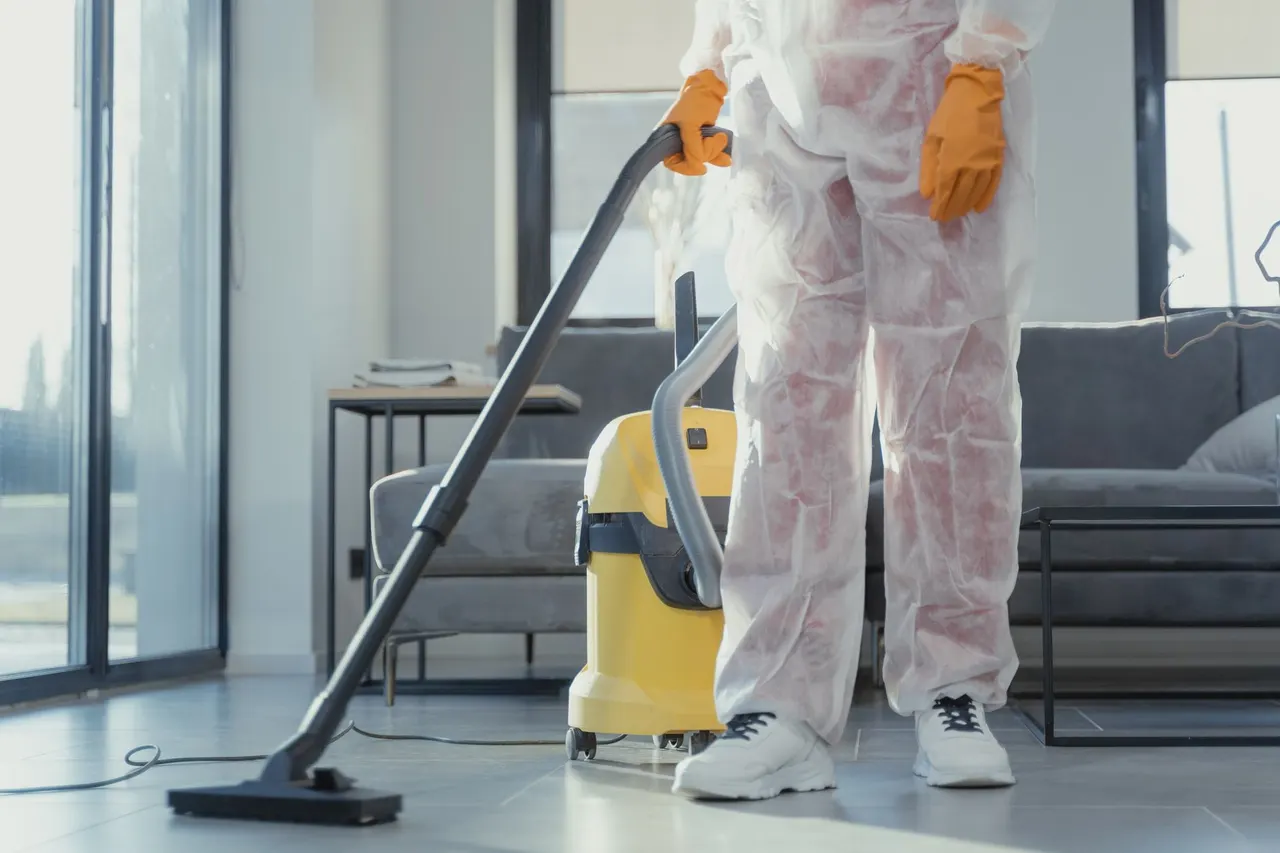
Our team responds to calls for water damage restoration Sundial ID, from a ceiling stain after a roof leak to a flooded lower level or a burst supply line. We identify the likely source, map moisture, extract water, and set drying equipment based on the affected materials. If you need emergencywaterdamagerepair near Sundial, call with the address and a short description of what happened; we will help you take immediate safety steps and arrange the next action. Sundial's growing neighborhood and mix of finished spaces call for a careful inspection, not a quick surface dry.

Kuna water damage restoration serves Sundial because water emergencies do not wait for a convenient hour, and the neighborhood is part of our working service area in Ada County. Newer homes can still develop leaks at washing machines, water heaters, kitchen lines, and PEX connections. Landscaping irrigation and high water table areas also make it important to distinguish an interior plumbing leak from water entering at a foundation or crawl space. When we arrive, we ask where water first appeared, whether the source is shut off, and which rooms are affected. Then we check adjoining rooms and concealed edges instead of treating only the visible puddle. For you, that means a more useful drying plan and fewer surprises after equipment is removed.
Water Damage Services Across Sundial

Sundial calls range from a small supply-line leak in a newer home to water spread through several rooms after a failed appliance connection. We begin with the source and the affected materials, then choose extraction and drying methods to match the loss. If water is pooling at the foundation or in a lower level, emergency water extraction near Sundial ID can limit how far moisture travels. We serve homes and properties across Sundial, with attention to the differences between a clean-water pipe leak, storm entry, and contaminated backup.

Water services for Sundial homes

Emergency restoration in Sundial

Emergency restoration in Sundial

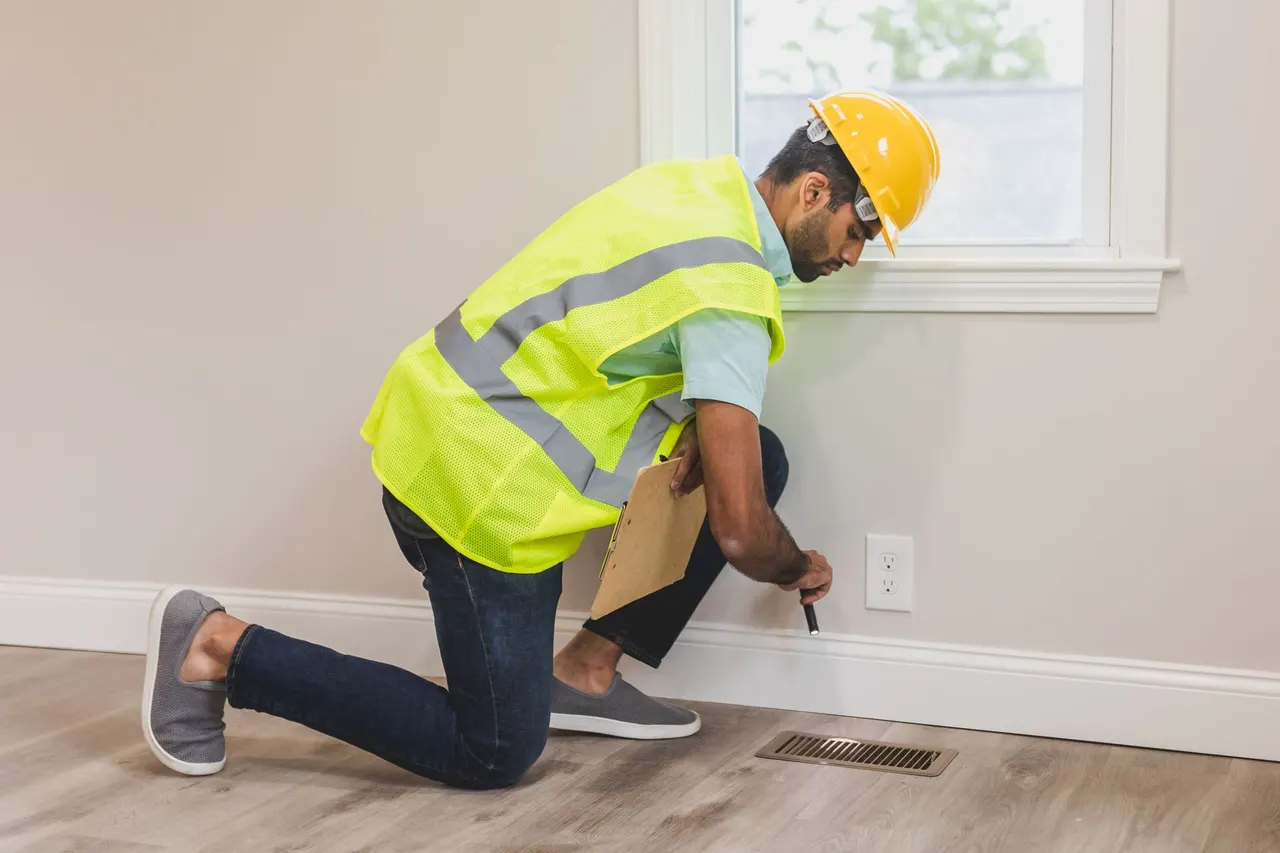
We identify the water source and inspect affected rooms before moving equipment inside. In Sundial homes, we check adjoining spaces and floor edges where water can travel out of sight. Then we extract water and record readings to guide the next drying steps.

  • Source and room inspection
  • Water extraction planning
  • Recorded moisture checks
For Sundial homes

For Sundial homes

We help Sundial homeowners address leaks, wet floors, and lower-level water before damage spreads further. Our first visit focuses on the source, affected materials, and practical drying access.

  • Newer homes with PEX plumbing
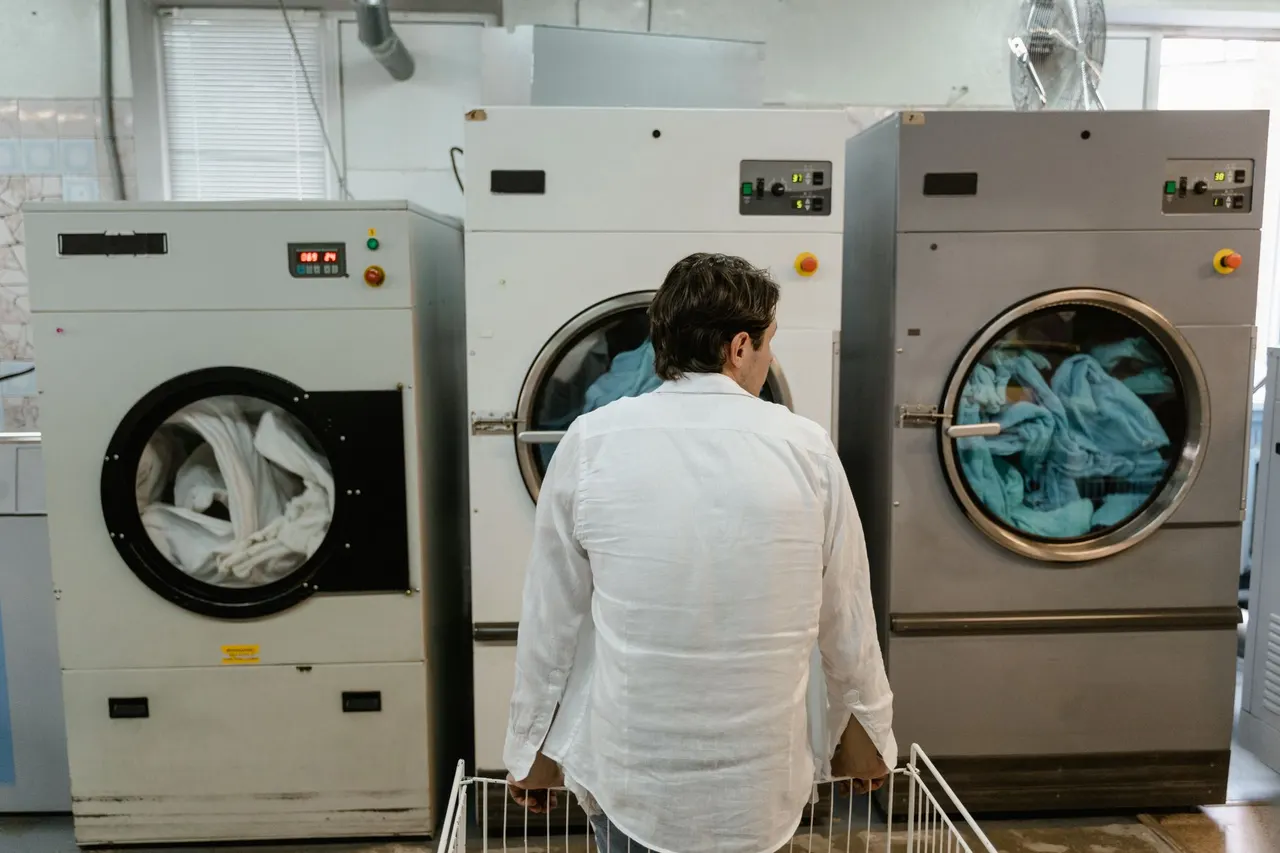
  • Laundry and kitchen leaks
  • Sump pump water events
  • Roof leak ceiling stains
For Sundial properties

For Sundial properties

We assess water damage in local business and shared-use spaces with attention to safe access and affected contents. We identify the wet area and organize extraction around the property's operating needs.

  • Community-use rooms
  • Small office interiors
  • Retail floor areas
  • Shared utility spaces

Common Sundial Water Damage Problems

Sundial's growing neighborhood includes newer homes with PEX plumbing, household appliances, and finished living spaces that can conceal water behind cabinets or drywall. Landscaping irrigation and high water table areas are factors to consider when water appears near a foundation, but the source needs inspection rather than assumption. Sundial water damage cleanup starts with identifying whether the loss came from plumbing, weather, drainage, or a backup. The water type and affected materials determine the safe cleanup and drying approach.

  • PEX connection leaks soak cabinets and adjoining room flooring

    PEX connection leaks soak cabinets and adjoining room flooring

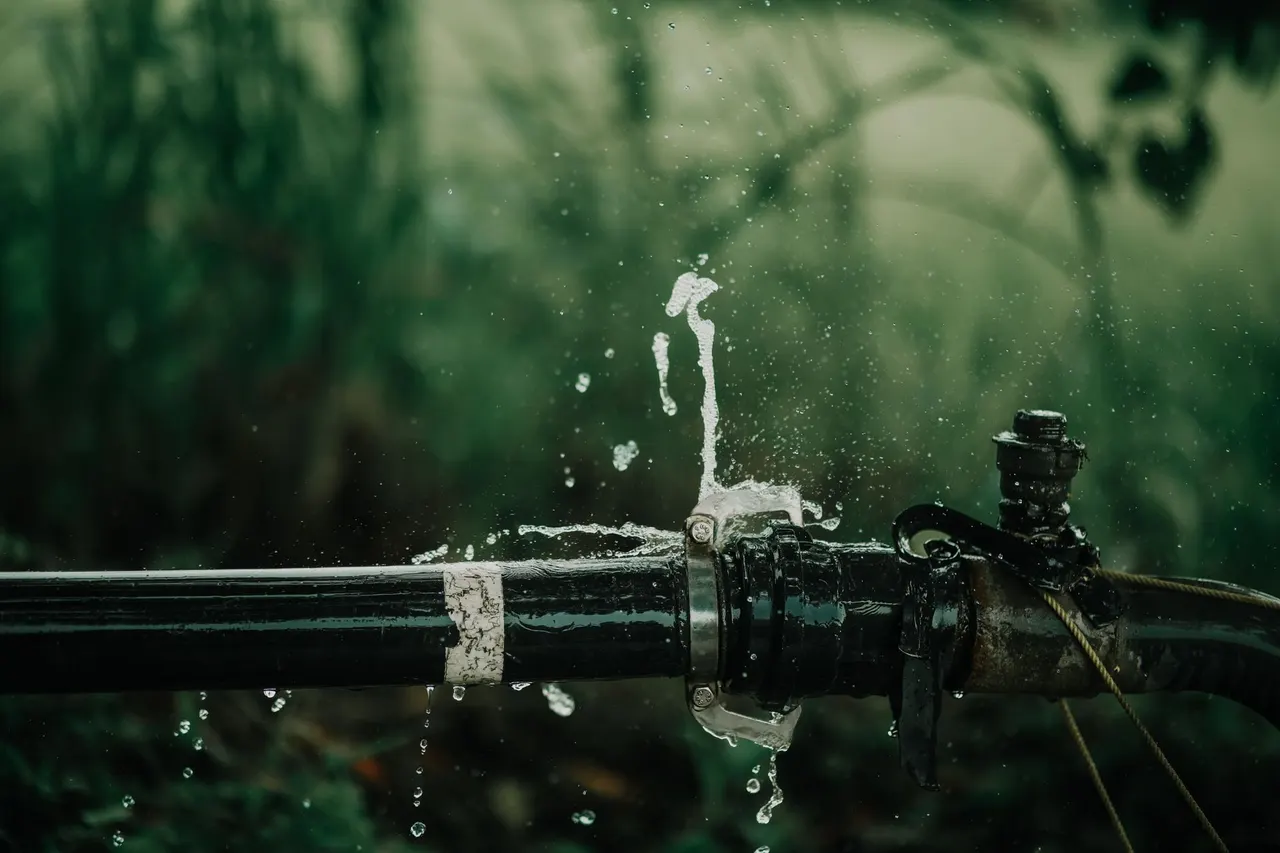
    Newer homes with PEX plumbing can still develop leaks at fittings, appliance branches, and fixture connections. A slow leak under a sink or behind a washer may continue until water reaches a visible floor edge, spreading into cabinet bases and nearby trim. We help locate the wet area, extract water, and check adjacent materials rather than stopping at the cabinet toe kick. We document readings in the cabinet base, flooring, and nearby wall, then set drying equipment based on what is actually wet.

  • High water table areas leave lower-level floors and crawl spaces wet

    High water table areas leave lower-level floors and crawl spaces wet

    Water can collect below grade when a sump system fails or when site water enters through a vulnerable point. The visible pool may not show how far moisture has moved into insulation, framing, or stored items. We extract standing water first, then inspect the sump area, floor edges, and accessible materials. We explain which materials need drying and which drainage or pump issue requires repair so the cleanup addresses both the immediate water and the next practical step.

  • Landscaping irrigation contributes to recurring foundation dampness

    Landscaping irrigation contributes to recurring foundation dampness

    A leaking irrigation line, overspray, or water collecting near a wall can keep exterior soil damp. The indoor symptom may appear as a lower-level stain, but it should not be attributed to irrigation without checking plumbing and the wet pattern. We map interior moisture, inspect visible entry points, and ask about irrigation timing and recent changes. Once the likely source is understood, we dry the affected interior materials and explain what exterior correction should be considered.

  • Winter pipe leaks wet walls before the room shows damage

    Winter pipe leaks wet walls before the room shows damage

    Cold weather can expose vulnerable lines and connections, and water may run inside a wall before appearing as a stain or baseboard swelling. A frozen pipe can also release water after temperatures rise if the damaged section remains connected. We focus first on stopping the supply and extracting water, then inspect the surrounding wall and floor. Moisture readings guide whether a small opening is needed to dry a cavity; we do not rely on surface appearance alone.

When to Call for Water Damage Help

Call when water is active, a ceiling stain grows, or flooring stays wet after a leak.

  • A ceiling stain grows after the rain stops

    A growing stain means water may still be trapped above the ceiling or entering through a roof opening. If the area sags or drips, keep people clear and call promptly. We trace the affected ceiling and adjoining wall before drying or repair decisions are made.

  • Floorboards lift or carpet feels wet underneath

    Raised hardwood or damp carpet can indicate water below the finish, not just on the surface. Carpet padding can hold moisture after the carpet feels less wet. Early extraction and checks beneath the flooring help limit damage to the subfloor and nearby trim.

  • A water meter moves with fixtures off

    Unexpected meter movement can point to a concealed leak in a supply line or slab. Shut off the main valve if you can do so safely, then call for inspection. We look for moisture patterns and help identify which area needs focused leak investigation.

  • A musty smell persists in a closed room

    A persistent musty odor can mean damp material remains behind a cabinet, baseboard, or wall. Odor alone does not prove mold, but it is a reason to inspect the area. We measure moisture and look for the source before recommending cleaning or removal.

  • Water collects beside the sump or foundation

    Standing water near a sump pit or foundation wall can point to pump failure, seepage, or a drainage problem. Keep children and pets away from the area and avoid electrical contact. We remove water, assess affected materials, and check the visible pump setup.

How We Handle Sundial Water Emergencies

For emergencywaterdamagerepair in Sundial, we start by confirming the address, source, and water type, then give immediate steps such as shutting off a fixture supply when safe. Our crew checks access and protects dry rooms before bringing equipment inside. In Sundial Ridge and Sundial Meadows, newer layouts and open living areas can let water travel under flooring before it reaches a doorway, so we inspect adjoining rooms.

  • Landscaping irrigation can obscure the source of exterior dampness

    Water near a foundation may come from a plumbing leak, irrigation overspray, or surface runoff. Treating the stain alone risks leaving the actual entry path active, especially where landscaping sits close to the home. We compare the wet pattern with visible plumbing and irrigation lines, check nearby interior materials, and document moisture readings. If the signs point outside the restoration work, we explain what needs investigation before finishes are repaired.

  • High water table areas can complicate lower-level water removal

    Water can collect in a basement or crawl space after a pump failure or persistent seepage. A wet floor may be only the visible part of the problem, while insulation, framing, and stored materials remain damp. We remove standing water, inspect the sump pump setup and affected materials, and check moisture after extraction. We distinguish an urgent interior cleanup from drainage work that needs a separate repair plan.

  • Cold snaps can expose vulnerable plumbing connections in winter

    A frozen pipe or failed fitting can release water into cabinets, ceilings, or wall cavities once the line thaws. Water damage can continue after the original freeze ends if the supply is still open. We help you isolate the supply when safe, find the wettest areas, and extract water promptly. We check nearby cavities and flooring instead of assuming the damage ends at the visible leak.

  • ANSI/IICRC S500

    This standard provides professional guidance for water damage restoration, including inspection, water categorization, drying, and documentation. We use its principles to organize the Sundial job and record conditions, while following applicable local requirements for repair work.

  • EPA Lead-Safe work practices

    If repair work disturbs painted surfaces in a pre-1978 structure, applicable lead-safe requirements can affect containment and cleanup. Sundial's newer housing does not remove the need to assess the actual building and materials before disturbance.

Local Sundial Orientation Points

When you call from Sundial, an exact street address is the most useful navigation detail; a nearby landmark can help clarify the area if you are unsure of the neighborhood name. We use Sundial Park and the Sundial community center as orientation references only, then confirm the property entrance and equipment access. For a water emergency, tell us whether a driveway, side gate, or lower-level entry is the best way in. That helps us move extraction equipment safely once we arrive.

  • Sundial Park

    Sundial Park is a named local orientation point residents can use when describing the nearby part of Sundial. Give us the property street and cross street as well, since a park reference alone does not identify a specific home.

  • Sundial community center

    The Sundial community center provides another local reference for confirming which part of the neighborhood a caller means. We use the landmark only for route orientation and still need the service address to locate the property entrance.

Sundial Neighborhoods We Cover

We serve the named Sundial areas with a response plan based on the property address, water source, and access to affected rooms. Sundial Ridge and Sundial Meadows are local neighborhood references we use to confirm location and route the crew. Tell us whether the loss is upstairs, at ground level, or in a crawl space so we arrive prepared for the first inspection.

  • Sundial Ridge
  • Sundial Meadows
  • Sundial near Sundial Park
  • Sundial community center area

Water Damage Work in Sundial

  • Sundial Ridge

    Before

    A laundry supply connection leaked into a Sundial Ridge home's utility area, wetting the floor edge and the base of an adjoining wall.

    After

    We helped isolate the water, extracted the floor, and checked the wall and adjacent room for moisture. We moved contents clear of the work area and placed drying equipment to circulate air across the affected surfaces. Readings were recorded at the start and checked during the drying process. Water was extracted during the first visit, and the affected materials were monitored over 4 days. The homeowner received a room-by-room record before the next repair steps.

  • Sundial Meadows

    Before

    A roof leak left a ceiling stain and damp insulation above a living area in Sundial Meadows after wet weather.

    After

    We traced the interior wet area, checked the ceiling and nearby wall, and documented the moisture before opening the affected assembly as needed. After the roof opening was addressed, we dried the interior materials and checked readings at the ceiling edge and wall junction. The interior drying phase took 3 days of monitored equipment use. The ceiling remained open until readings supported the next repair step.

  • Sundial near Sundial Park

    Before

    A sump pump failure left standing water in a lower-level area and dampened stored items and floor-edge materials.

    After

    We removed standing water, moved affected contents away from the wet area, and inspected the sump setup and surrounding materials. We checked the lower-level floor and wall edges for retained moisture and set drying equipment after extraction. The water source and follow-up needs were explained to the homeowner. The visible water was extracted on the initial service visit. Moisture checks continued for 5 days before equipment was removed.
Sundial Customer Reviews

4.9

  • A hose connection let go in our laundry room, and water had reached the next room before we noticed. The crew explained what they were checking, pulled water from the floor, and returned to measure drying progress. They also pointed out dampness near the baseboard that we had missed. The room was easier to manage because we knew what was happening each day.
    Megan R.Sundial Ridge
  • We called after finding a ceiling stain and a wet patch on the wall. They traced the area above it, documented the readings, and explained why patching the ceiling right away would be premature. The equipment was placed where we could still move through the room. We appreciated the clear update on what had dried and what still needed checking.
    David L.Sundial Meadows
  • Our lower level had standing water after the pump stopped working. The team extracted it, checked the floor edges, and talked us through the difference between drying and repairing the pump system. They kept the affected area organized and recorded moisture checks over several days. We had a clear next step for the water-damaged materials and the equipment.
    Renee T.Sundial Park area

Sundial Water Risks Through the Seasons

  • Spring

    As snowmelt and spring rain change ground moisture, watch lower-level corners and crawl spaces for dampness. Landscaping irrigation may also restart, making it useful to note whether moisture appears only after watering or continues through dry periods. Check the sump pump before sustained wet weather and keep its discharge path clear. If water appears, note when it started and whether the pump is running before calling.

  • Summer

    Summer storms can bring short periods of heavy rain, while irrigation systems run more often. A roof leak may show as a ceiling stain, and a line leak can be mistaken for outdoor water if the source is not checked. Inspect ceilings after a storm and look for wet spots around hose bibs and appliance connections. Shut off a leaking supply when safe and move contents away from water.

  • Fall

    Fall rain can reveal clogged gutters, damaged roof details, or runoff that pools beside a foundation. Leaves and debris reduce gutter flow, so water may spill close to the home instead of reaching its intended discharge point. Clear gutters and check downspout discharge before colder weather. If you find indoor staining, photograph the area and call before covering or repainting it.

  • Winter

    Cold snaps raise the risk of frozen or split plumbing connections, followed by water release during a thaw. Roof leaks can also continue after a storm, leaving insulation and ceiling materials wet even when exterior conditions improve. Know where the main water shutoff is and keep the route to it clear. If a pipe leaks, stop the water if safe and call for extraction and moisture checks.

Questions to Ask a Sundial Restoration Crew

A capable water restoration crew should explain what it will inspect, how water will be removed, and how drying progress will be measured. In Sundial, ask whether the team checks adjoining rooms and concealed edges, especially after a leak in a newer home or a lower-level water event. You should hear a clear sequence: control the source, extract water, assess materials, set equipment, and document readings. Direct answers help you avoid paying for equipment without knowing what it is meant to dry.

  • Will you check the rooms next to the visible water?

    Water can travel under flooring or through a wall before it shows elsewhere. A crew that checks adjoining spaces can identify the actual affected area and avoid leaving concealed moisture behind. Ask how readings will be compared and recorded during the job.

  • How will you decide whether carpet padding can stay?

    Carpet and padding do not always dry at the same rate, and water category matters. The answer should include inspection of the materials beneath the carpet and a reasoned decision based on exposure and moisture, not a blanket promise to save or remove everything.

  • What equipment will you use and where will it go?

    Air movement and dehumidification must fit the room and affected materials. A clear response explains equipment placement, safe access, and how the setup will be adjusted if readings remain high. It also helps you plan around household movement and noise.

  • How do you document drying progress?

    Recorded moisture readings give you a baseline and show whether materials are moving toward dry conditions. Ask which areas are measured and how often. A technician should be able to explain the readings in plain language and note any material that needs another step.

  • Can you explain the water category before cleanup?

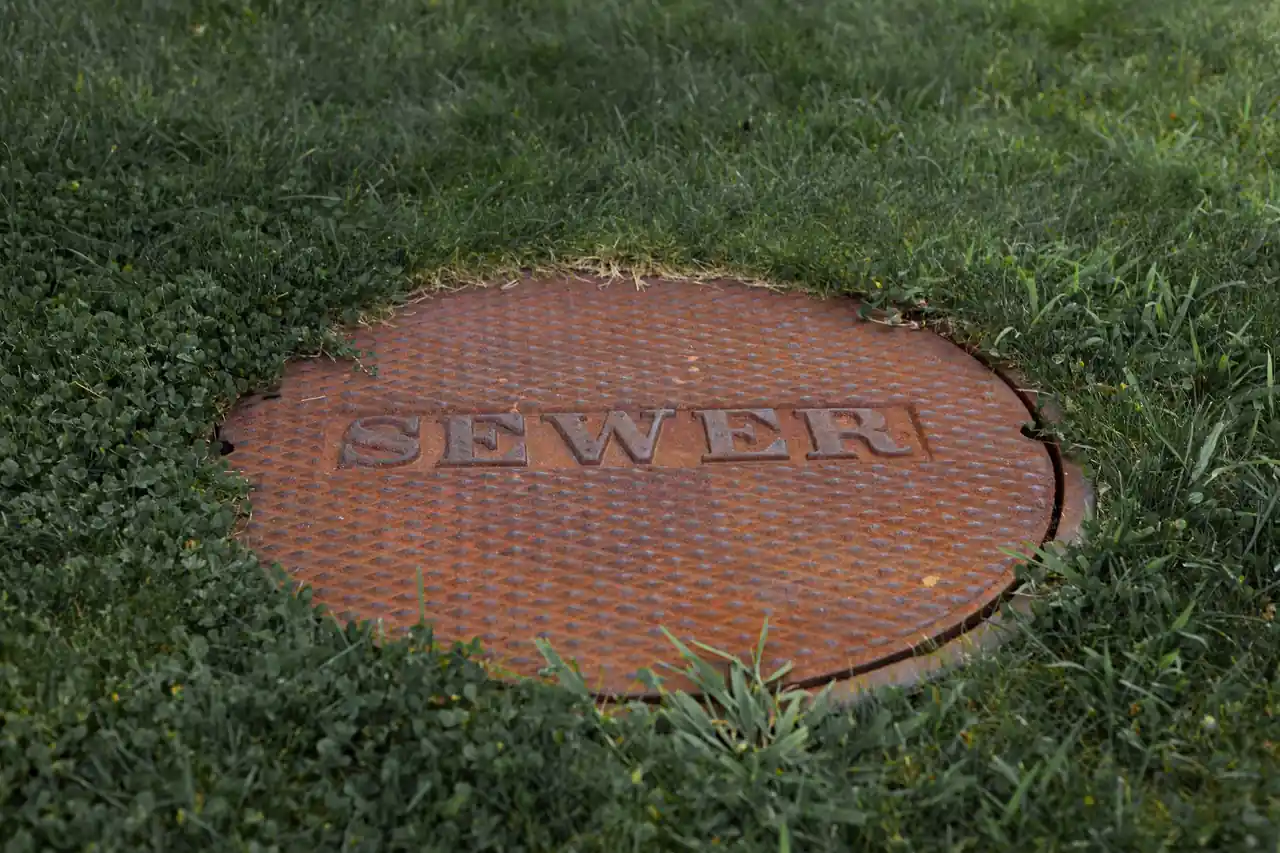
    Clean supply water, outdoor floodwater, and sewage require different handling. The crew should identify the likely source and explain any access limits or material removal tied to contamination. This answer shows whether the cleanup plan is based on the actual water event.

emergencywaterdamagerepair in Sundial FAQs

Still wondering? (833) 546-4116

Local service team

Call for emergencywaterdamagerepair in Sundial

Water spreading through your Sundial home needs action now. Call Kuna water damage restoration at (833) 546-4116 and tell us what happened, where the water is, and whether the source is still active. We will help you take the next safe step, then arrange inspection, extraction, and drying for your property. Our phone line accepts emergency calls at any hour.

Contact the Kuna Team

Call (833) 546-4116 when water reaches your home or business in Kuna, Idaho. Tell us whether the source is still active, which rooms are affected, and when the damage began; that helps direct the next steps. Calls are accepted at any hour for emergency inquiries, and service coverage includes Kuna, ID, with ZIP codes 83634 and 83642.

Thanks. Your request is in and the team will follow up shortly.