Emergencywaterdamagerepair in Crimson Point Homes

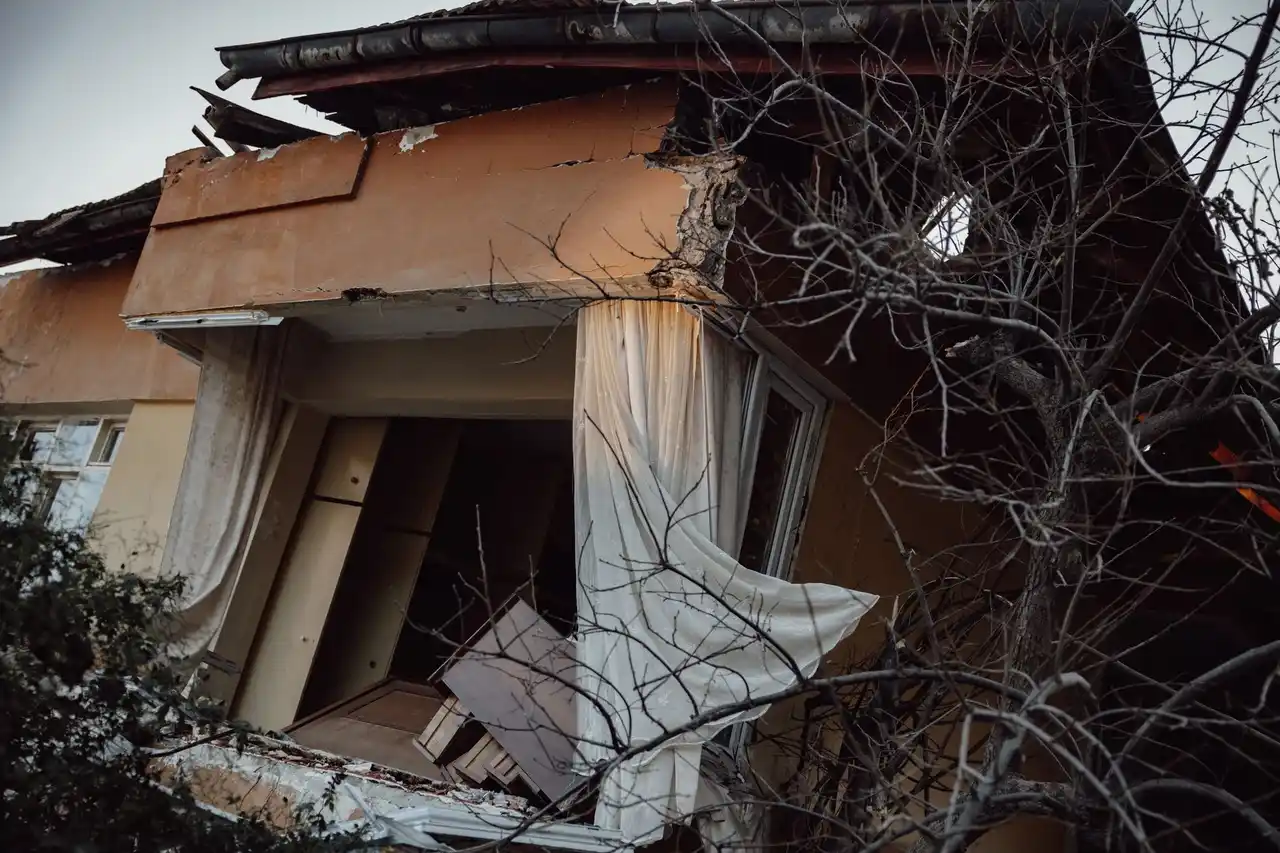
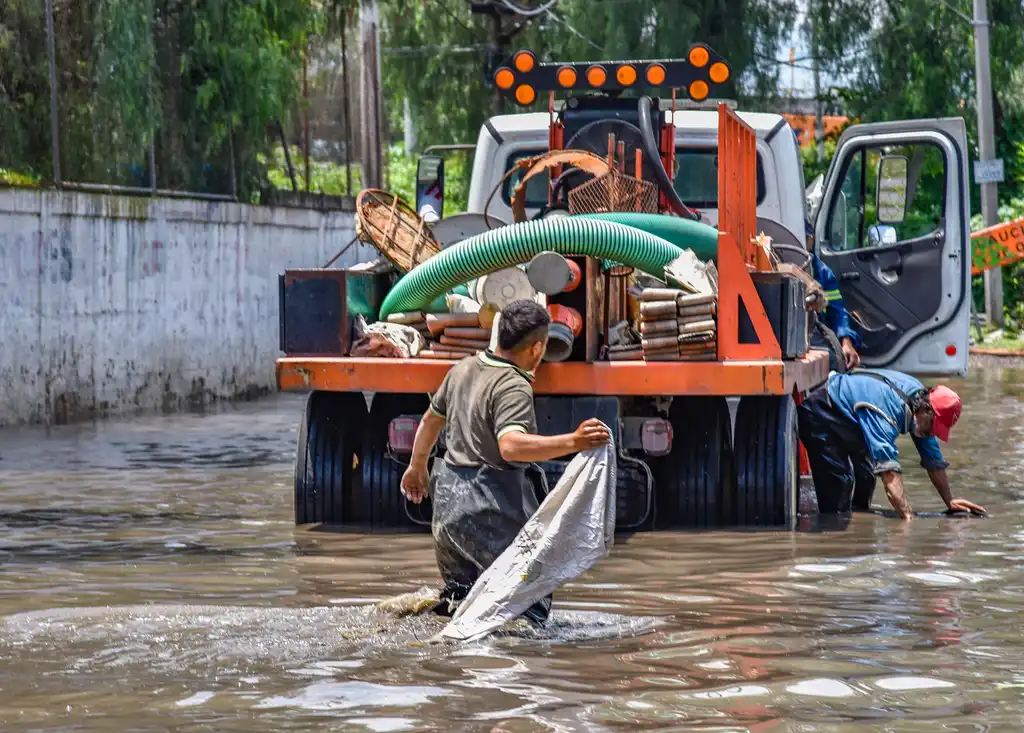
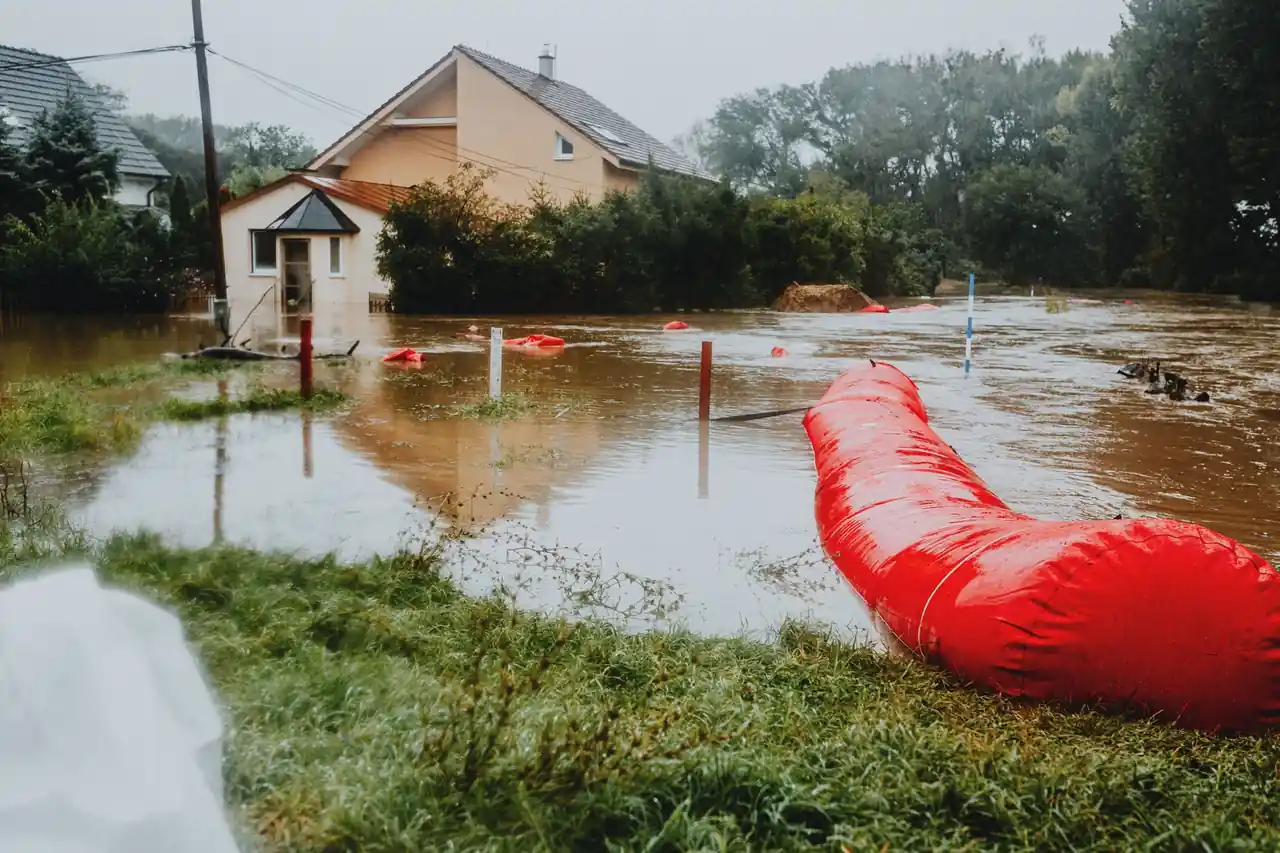
When water reaches your floors, emergencywaterdamagerepair in Crimson Point starts with stopping the source and removing standing water. Our team serves Crimson Point East, West, and North, including homes in ZIP code 83634. We map hidden moisture, protect unaffected rooms, and set drying equipment according to the materials affected. Call us for Crimson Point emergencywaterdamagerepair when a pipe breaks, a sump pump fails, or storm water gets inside.

emergencywaterdamagerepair in Crimson Point

Serving Crimson Point homes

  • Readings RecordedMoisture checks guide drying decisions
  • Work Area ProtectedContents moved away from wet surfaces
  • Steps ExplainedYou hear what happens next
  • Equipment CheckedAirflow placement reviewed during work

emergencywaterdamagerepair in Crimson Point

emergencywaterdamagerepair in Crimson Point is a restoration service that removes unwanted water, dries affected building materials, and limits further damage after a leak or flood. Our Kuna-based crew works across Crimson Point East, Crimson Point West, and Crimson Point North, where newer subdivision homes and HOA-managed landscaping call for careful attention to exterior drainage as well as indoor leaks. A broken supply line, overflowing appliance, or wet ceiling needs quick extraction before water migrates under flooring or into wall cavities.

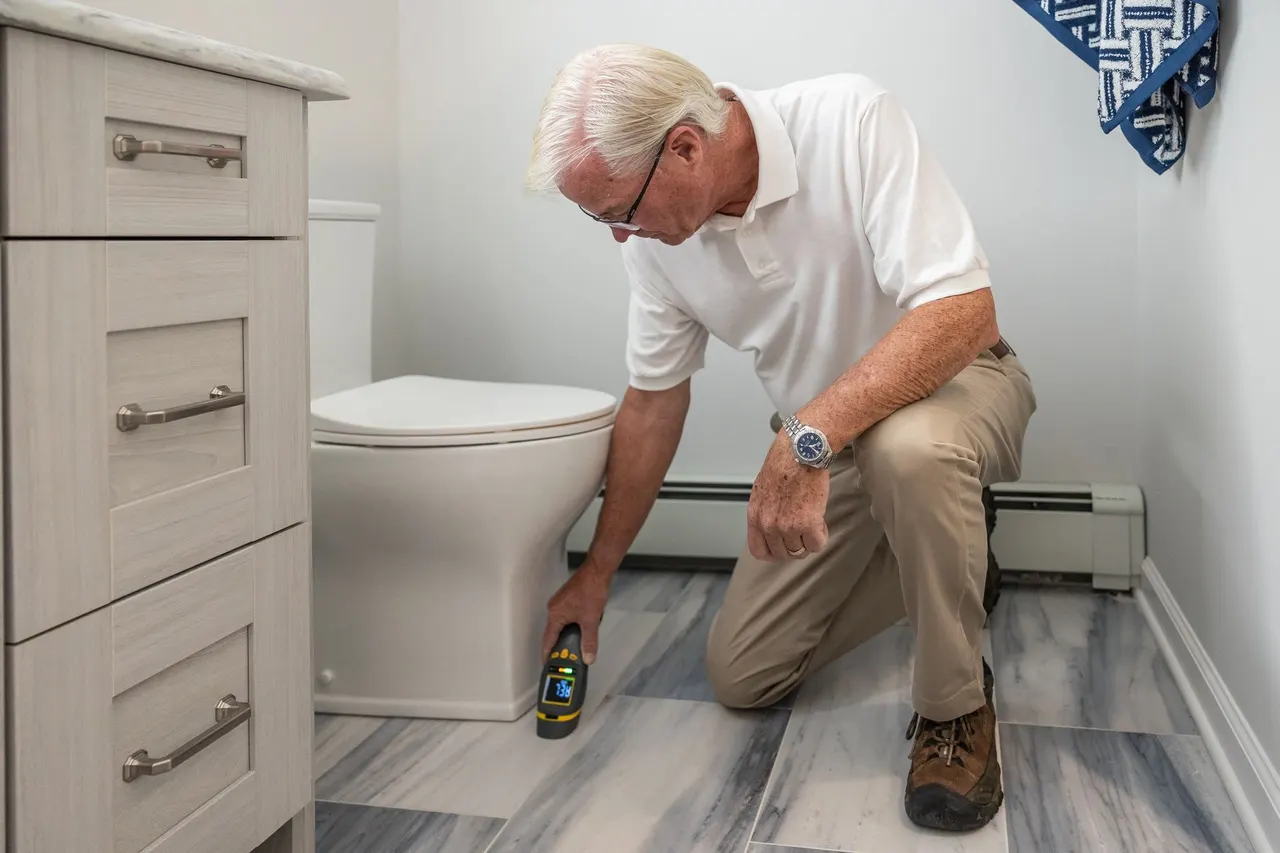
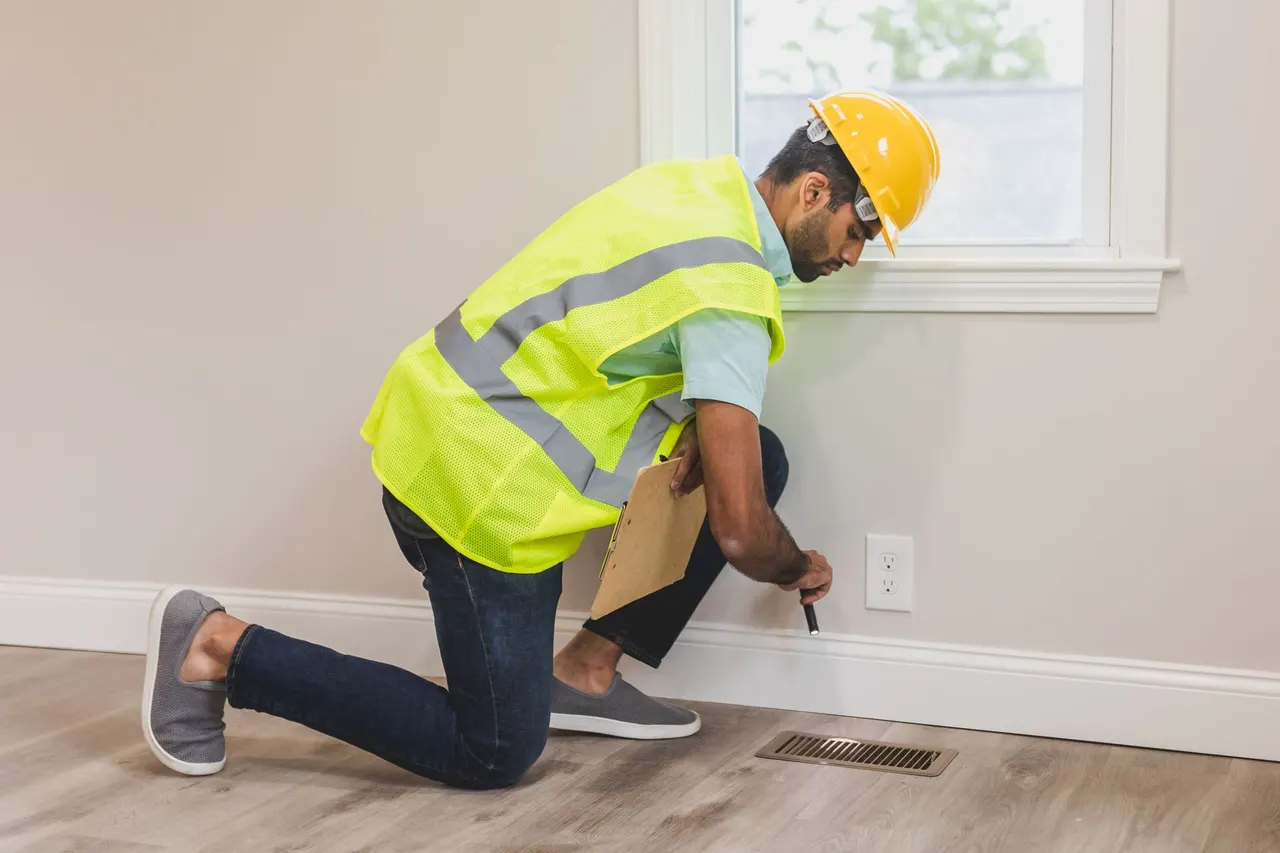
We begin by identifying the water source and checking affected rooms with a moisture meter and thermal imaging camera. Then we extract water, document the wet areas, and place air movers and a dehumidifier where measurements show they are needed. Our approach follows ANSI/IICRC S500 principles for water restoration. For water damage restoration Crimson Point ID homeowners need, we explain the immediate work, the drying plan, and what readings we are tracking. You get a practical response focused on your property, not a generic cleanup checklist.

Crimson Point is a growing family community, and water problems can disrupt bedrooms, kitchens, and shared living spaces in a matter of minutes. We serve this area because Kuna calls for a local response that understands newer homes, irrigation-related water entry, and clay soil drainage concerns without treating every wet floor as the same job. When a leak occurs, we make the first visit about containment, extraction, and finding the full moisture path. You get a clear sequence: protect belongings, remove water, measure drying, then repair affected materials. That is the practical work behind emergencywaterdamagerepair near Crimson Point.
Water Damage Services in Crimson Point

Crimson Point calls often begin with a small visible leak and turn into a larger drying job once water reaches carpet padding, baseboards, or the edge of hardwood flooring. Our crew handles 24/7 water extraction, flood cleanup, drying, and repairs for homes across the subdivision. If you are searching for emergencywaterdamagerepair in Crimson Point ID near me, tell us where water is showing, when it started, and whether the source is still active. Those details help us bring the right extraction equipment and protect the areas that remain dry.

How restoration works here

Emergency restoration in Crimson Point

Emergency restoration in Crimson Point

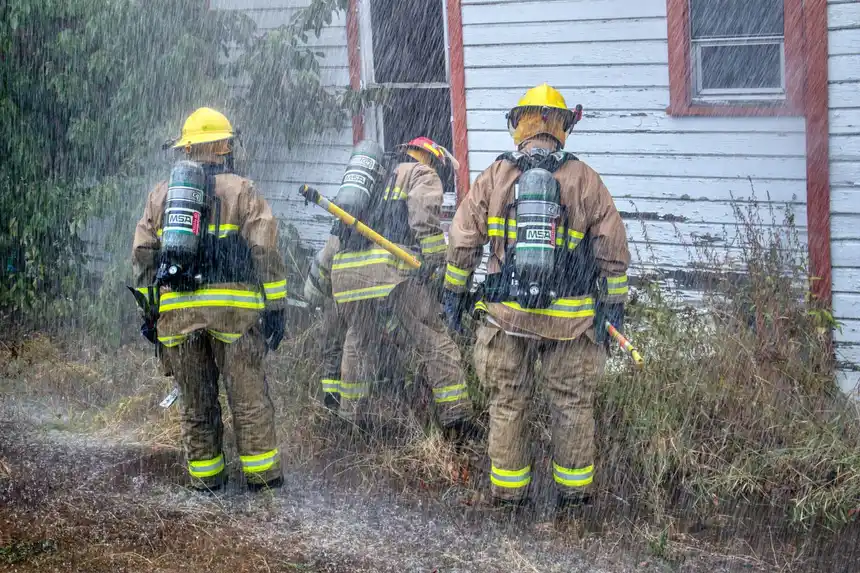
We identify the water source, protect dry rooms, and extract standing water in your Crimson Point home. Moisture checks follow the leak path through flooring and wall edges. We explain the affected materials and the next drying steps before equipment is placed.

  • Source and hazard check
  • Room-by-room moisture map
  • Targeted drying setup
Homes in Crimson Point

Homes in Crimson Point

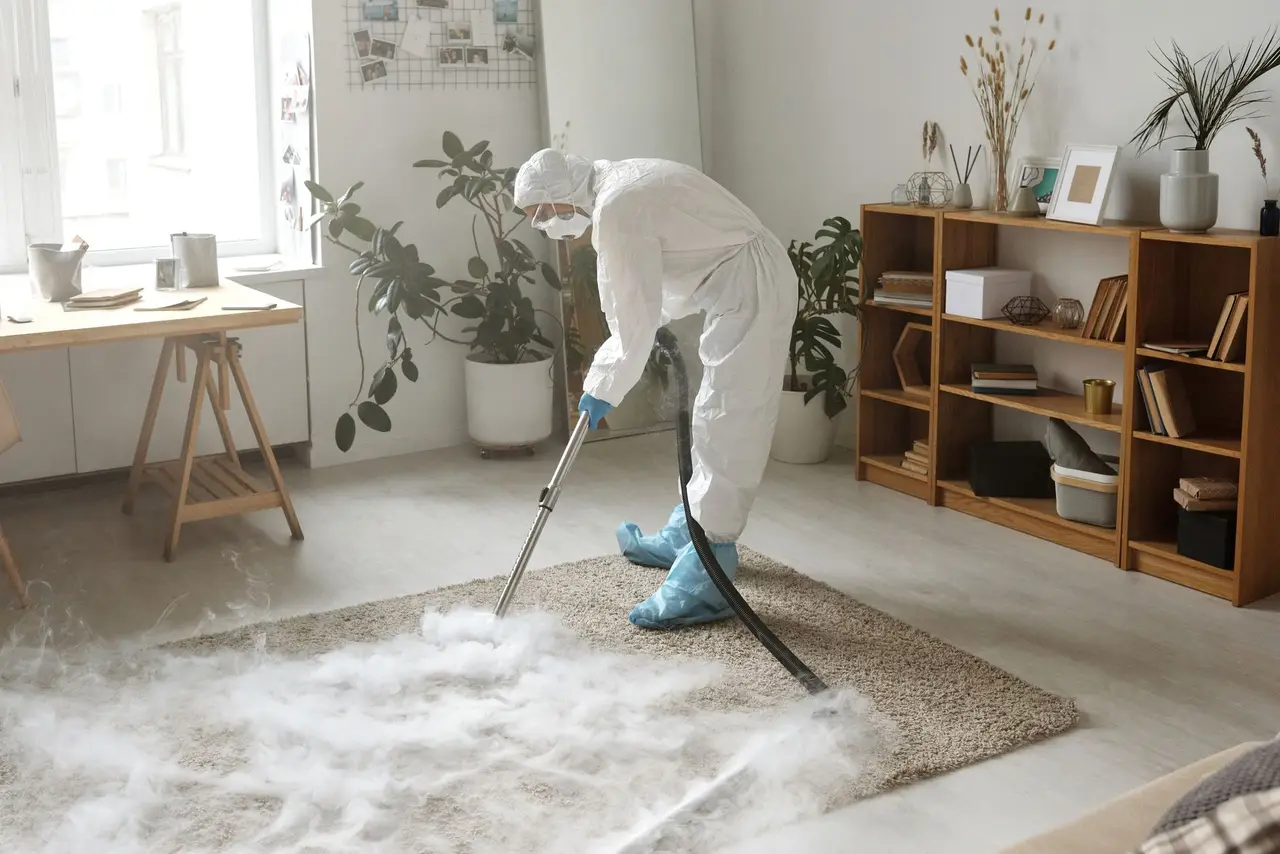
We handle water losses in occupied homes, from a kitchen supply leak to wet flooring after a storm. We protect clear paths and focus drying on the materials your inspection identifies.

  • Newer subdivision homes
  • Family kitchens and laundry rooms
  • Finished lower-level spaces
  • Homes with crawl spaces
Properties Near Crimson Point

Properties Near Crimson Point

We coordinate water removal for nearby property operators who need affected rooms cleared and documented. We identify the wet footprint, protect unaffected areas, and plan work around safe access.

  • Community service spaces
  • Small office suites
  • Retail interiors near Kuna
  • Managed residential properties

Common Crimson Point Water Problems

Crimson Point's newer subdivision homes still face familiar water losses: plumbing failures, roof leaks, drainage entry, and sump pump trouble. Irrigation issues and clay soil drainage problems are worth checking when moisture appears along an exterior wall, while cold winter nights raise the risk of frozen lines. Crimson Point water damage cleanup starts by identifying the source, because a clean supply leak and a sewage backup need different handling. We check the affected rooms, materials, and water path before choosing extraction and drying methods.

  • Irrigation overspray repeatedly wets exterior walls and nearby floor edges

    Irrigation overspray repeatedly wets exterior walls and nearby floor edges

    HOA-managed landscaping and residential irrigation can put water close to walls when heads are misaligned or run times are excessive. With clay soil, water may drain slowly near the foundation. Repeated wetting can show up indoors as a damp baseboard or musty odor. We locate the indoor moisture, check adjacent materials, and dry confirmed wet areas. We also discuss the exterior irrigation pattern with you so the sprinkler direction or schedule can be corrected. That separates restoration from the source change needed to prevent repeated wetting.

  • Frozen supply lines release water after cold overnight temperatures rise

    Frozen supply lines release water after cold overnight temperatures rise

    During winter cold snaps, exposed or poorly protected plumbing sections can freeze and split. The leak may begin when the ice thaws, releasing water into cabinets, wall cavities, or utility areas while occupants are asleep or away. We help isolate the water, extract it, and inspect the rooms along the plumbing route. A moisture meter identifies wet drywall and flooring beyond the opening. Once the plumbing repair is complete, we dry and recheck the materials before repair work closes the assembly.

  • Clay soil runoff collects near foundation edges after sustained rain

    Clay soil runoff collects near foundation edges after sustained rain

    Clay soil can hold water and slow drainage, especially where grading or downspout discharge sends runoff toward the home. Water pressure and surface pooling can expose vulnerable foundation joints or low crawl space openings, creating seepage rather than a sudden plumbing leak. We extract water from affected rooms or crawl spaces, map damp materials, and identify the likely entry area. We discuss drainage correction separately, including downspout routing or a french drain pipe where appropriate. Drying begins immediately while the exterior source is addressed.

  • Failed sump pump allows groundwater into lower rooms and utility spaces

    Failed sump pump allows groundwater into lower rooms and utility spaces

    A pump can fail because of a power interruption, stuck float, clogged discharge, or worn component. When water rises around the sump, finished lower areas and stored contents can be affected before the homeowner notices the system has stopped. We remove standing water, assess affected flooring and lower walls, and separate salvageable contents. We inspect the pump and discharge components, then test operation after repair. Drying continues until measurements show the materials have reached an appropriate dry condition.

When to Call for Water Damage Repair

Watch for spreading water, growing ceiling stains, lifted flooring, musty odors, or a sump pump that stops.

  • Water keeps spreading after shutoff

    Water moving beyond the original leak means it has entered floor edges, carpet padding, or adjacent rooms. Treat it as urgent. Stop the source if safe, move valuables out of the path, and call so extraction can begin before more materials become saturated.

  • Ceiling stain grows or begins to sag

    A growing stain suggests water is collecting above the finish, and a sagging ceiling can release suddenly. Keep people clear of the area. We inspect the source, check accessible insulation and framing, and remove water before repairing the ceiling surface.

  • Flooring edges lift after a leak

    Raised hardwood edges or a soft carpet strip can indicate moisture below the surface. The visible floor may be only part of the wet area. Call promptly so we can measure the floor, check nearby walls, and determine whether controlled drying or material removal is needed.

  • Musty odor remains after cleanup

    A persistent odor can point to damp carpet padding, a wall cavity, or a crawl space that did not dry. It is not solved by covering the smell. We trace the odor to its moisture source, inspect affected materials, and plan cleaning or removal.

  • Sump pump stops during heavy rain

    A silent pump, rising water in the pit, or water at the basement edge calls for immediate attention. If water is entering, protect electrical safety and move stored items. We remove water, inspect the pump system, and check the room for seepage.

How We Handle Crimson Point Water Damage

Our emergencywaterdamagerepair near Crimson Point begins with a call that establishes the water source, affected rooms, and any electrical or sewage hazard. On arrival, we isolate the area, inspect visible and concealed moisture, and start extraction before setting drying equipment. Newer subdivision layouts can include open living areas, attached garages, and finished lower-level spaces, so we trace water beyond the first stain. We plan equipment placement around family routines and keep walkways usable where conditions allow.

  • Clay soil can slow drainage around foundations after wet weather.

    When water collects beside a home, it can enter through a foundation joint or affect a crawl space. Interior staining may show up well after the ground becomes saturated, so the visible wet spot may not mark the full water path. We check the wet interior area and ask where exterior water is collecting. Our crew extracts standing water, measures damp materials, and documents the affected boundary. If drainage correction is needed, we explain options such as a french drain pipe or downspout redirection after the immediate restoration work.

  • Irrigation overspray can wet walls and landscaping near newer homes.

    A misdirected sprinkler can repeatedly soak siding, window edges, or soil near the foundation. This slow source may create a damp patch or odor rather than a sudden pool, making it easy to overlook until water reaches interior finishes. We compare the moisture pattern with irrigation timing and inspect accessible wall and floor edges. We dry confirmed wet materials and note where the exterior source should be corrected. You can then adjust sprinkler direction or arrange landscape repairs so the same area is not repeatedly wetted.

  • Winter freezes can expose weak plumbing lines inside occupied homes.

    A frozen pipe can split and release water after temperatures rise, often into cabinets or wall cavities. In a family home, a small opening can soak several rooms before anyone finds the leak, especially overnight. We help isolate the water supply, extract water, and check nearby rooms for migration. A moisture meter guides our readings at drywall, trim, and flooring. Once the plumbing repair is complete, we set drying equipment and track progress rather than closing the wall over damp materials.

  • ANSI/IICRC S500 water damage restoration standard

    We use the standard's water restoration framework to assess water categories, map affected materials, and plan drying. In Crimson Point, that means the source and water condition shape what can be cleaned, what must be removed, and how the work is documented.

  • Idaho contractor licensing requirements

    Repair work that falls under Idaho contractor registration or licensing rules must be handled by appropriately qualified contractors. We distinguish emergency mitigation from reconstruction tasks and coordinate the repair work within applicable state and local requirements.

Local Landmarks and Access

Crimson Point Park and the community playground are useful orientation points when you describe where a home sits within the subdivision. They help distinguish nearby sections during a call, but our technicians navigate to your supplied address rather than treating a landmark as a work site. Give us the street name, nearest entrance, and any gate or parking instructions. That lets us plan the route for extraction equipment without blocking a driveway or family access.

  • Crimson Point Park

    Crimson Point Park is a named local orientation point for residents describing the surrounding subdivision. Providing the nearest street and your address along with the park reference helps clarify which part of Crimson Point you mean.

  • community playground

    The community playground is another familiar reference residents can use when explaining their location. It helps with verbal directions, while the exact home address remains necessary for routing and safe equipment access.

  • Crimson Point East

    Crimson Point East is a named neighborhood section that helps identify the general part of the subdivision. Pairing the section name with a street address makes arrival instructions clearer.

  • Kuna Town Center

    Kuna Town Center is a nearby community destination and service-area reference. It provides broader context for residents traveling or communicating from the Crimson Point area without implying that the commercial area is part of the neighborhood.

  • Downtown Kuna

    Downtown Kuna is a nearby civic and local business area that helps frame Crimson Point within the wider Kuna service region. It is a useful regional reference when coordinating a service call.

  • Meridian Road

    Meridian Road is a key local access route for the Kuna area. We use the address and neighborhood section to plan the final approach into Crimson Point.
  • Kuna Road

    Kuna Road connects the wider local service area with Kuna destinations. Your exact street address and entry instructions help us complete the final approach to the property.

Crimson Point Neighborhood Coverage

We serve homes throughout Crimson Point, including its East, West, and North areas, with response plans based on the affected room and water source. Newer subdivision homes can have similar floor plans but different drainage and finish details, so we inspect each property rather than assume the same repair. Tell us your nearest cross street or neighborhood section when you call; it helps us plan entry and equipment loading.

  • Crimson Point East
  • Crimson Point West
  • Crimson Point North
  • Crimson Point Park area

Crimson Point Restoration Outcomes

  • Crimson Point East

    Before

    A supply line leak soaked kitchen flooring and the carpet edge in an occupied Crimson Point East home before the family found the shutoff.

    After

    We helped stop the active water, extracted the pooled water, and checked the kitchen and adjoining room for migration. Our crew documented wet flooring and baseboards, then placed air movers and a dehumidifier to dry the affected assembly. We returned to compare moisture readings and adjusted the equipment as the materials dried. Water was removed from two connected rooms, and drying readings were tracked at three material locations. The family kept access to an unaffected hallway while equipment ran.

  • Crimson Point North

    Before

    A sump pump failure left standing water in a lower-level utility area and dampened stored items in a Crimson Point North home.

    After

    We removed standing water, sorted contents away from the wet floor, and inspected the perimeter for seepage. After the pump issue was addressed, we placed drying equipment and monitored the floor and lower wall readings. We also reviewed the discharge route with the homeowner to identify an exterior correction. Water was extracted from the utility area, and affected items were separated into clean, dry, and damaged groups. Follow-up readings guided the drying period.

  • Crimson Point West

    Before

    A roof leak left a ceiling stain and damp insulation above a living area in a Crimson Point West property after a storm.

    After

    We protected the room, checked the ceiling and accessible attic-side materials, and documented the wet area before removing unsalvageable material. Once the roof opening was addressed, we dried the affected framing and ceiling edges. We kept the repair sequence tied to moisture readings rather than the stain's appearance alone. The affected ceiling area and adjoining materials were assessed, with readings recorded at four points. Drying finished before the ceiling repair proceeded.

Crimson Point Customer Reviews

4.8

  • A hose failed under our kitchen sink in Crimson Point East, and water reached the flooring before we noticed it. The crew extracted the water, checked the baseboards, and explained why the air movers needed to stay in place. They came back to take readings instead of guessing from how the floor looked. We knew what was happening at each step.
    Megan R.Crimson Point East
  • Our sump pump stopped during a wet spell and the utility area took on water. The team removed the water, checked the lower walls, and helped us understand which stored items could be cleaned. They also pointed out the pump discharge issue we needed to correct. The work area was left organized, and we received clear drying updates.
    Daniel T.Crimson Point North
  • We had a ceiling stain after a storm and were worried water had reached the insulation. The crew inspected above the affected room, documented the damp area, and set equipment after the roof leak was handled. They explained the readings and waited to repair the ceiling until the materials were dry. That sequence made the next steps easy to follow.
    Priya S.Crimson Point West

Crimson Point Water Damage by Season

  • Spring

    As snowmelt and spring rain affect the region, runoff can collect along foundation edges or enter low crawl spaces. Irrigation systems also return to service, so misdirected spray can repeatedly wet exterior walls and landscaped areas around Crimson Point homes. Check downspouts after rain and watch for damp baseboards or crawl space odors. If water appears inside, stop the source where safe and call before flooring or drywall stays wet.

  • Summer

    Summer brings irrigation use and occasional storms that can expose roof or gutter weaknesses. A sprinkler aimed at a wall or a storm-damaged roof can produce hidden moisture before a large interior puddle appears. Walk the exterior after storms, clear visible gutter debris, and correct sprinkler overspray. If you find a ceiling stain, photograph it and arrange an inspection before repainting.

  • Fall

    Falling leaves can block gutters and downspouts, directing rain toward foundations. Temperatures also begin to drop, making exposed plumbing and unheated utility spaces worth checking before the first hard freeze. Clear gutters and confirm water discharges away from the foundation. Locate the main water shutoff and check that pipes in vulnerable spaces are protected before winter weather.

  • Winter

    Freezing nights can split a pipe, with water appearing after temperatures rise. Leaks behind cabinets, in garages, or near exterior walls may run unnoticed overnight and spread beneath floors or into drywall. If a pipe bursts, shut off the main supply if safe, avoid wet electrical areas, and call for extraction. Keep the affected room accessible so equipment can be placed and readings collected.

Questions Before Hiring a Restoration Crew

A useful Crimson Point restoration contractor should explain the first hour of work clearly: how the water source will be controlled, what gets extracted, and how hidden moisture will be checked. Ask how readings are recorded and what happens if water is found behind a baseboard or beneath flooring. You are hiring someone to protect the structure, not just remove a puddle. A direct answer should identify the tools, sequence, and communication you can expect while your home dries.

  • How will you find water that is under my floor?

    A visible dry surface does not prove the floor assembly is dry. A strong answer describes moisture readings, inspection of edges and transitions, and follow-up checks. That process helps determine whether water reached carpet padding, subfloor, or the lower edge of a wall.

  • What equipment will you use in my Crimson Point home?

    Equipment should match the wet materials and room conditions. The contractor should explain where extraction equipment, air movers, and dehumidification will go, how airflow will be managed, and what readings will guide changes. Generic equipment placement can miss concealed moisture.

  • How do you handle sewage or contaminated water?

    Contaminated water calls for isolation, controlled removal, and appropriate cleaning rather than ordinary extraction alone. The answer should cover protecting occupants, removing porous materials that cannot be cleaned, and treating remaining surfaces correctly. It shows whether the crew distinguishes water types.

  • Will you document moisture readings and affected rooms?

    Photos and readings make the work easier to follow and support a clear drying decision. Ask whether the crew records initial wet areas and checks progress. This helps you understand why equipment remains in place and when the structure is ready for repair.

  • Who coordinates repairs after the drying is complete?

    Water removal and reconstruction are different stages. A clear answer explains how damaged drywall, baseboards, or flooring move from drying to repair, and who handles each task. You should know how the wet area will be checked before finishes are replaced.

Crimson Point emergencywaterdamagerepair FAQs

Still wondering? (833) 546-4116

Local service team

Call for emergencywaterdamagerepair in Crimson Point

Water spreading through your Crimson Point home needs action, not guesswork. Call Kuna water damage restoration at (833) 546-4116 and tell us what failed, where water is showing, and whether it is still flowing. We will guide the first safe steps, then inspect, extract, and map the affected materials. Our emergency response is available 24/7 for Crimson Point and nearby Kuna neighborhoods.

Contact the Kuna Team

Call (833) 546-4116 when water reaches your home or business in Kuna, Idaho. Tell us whether the source is still active, which rooms are affected, and when the damage began; that helps direct the next steps. Calls are accepted at any hour for emergency inquiries, and service coverage includes Kuna, ID, with ZIP codes 83634 and 83642.

Thanks. Your request is in and the team will follow up shortly.