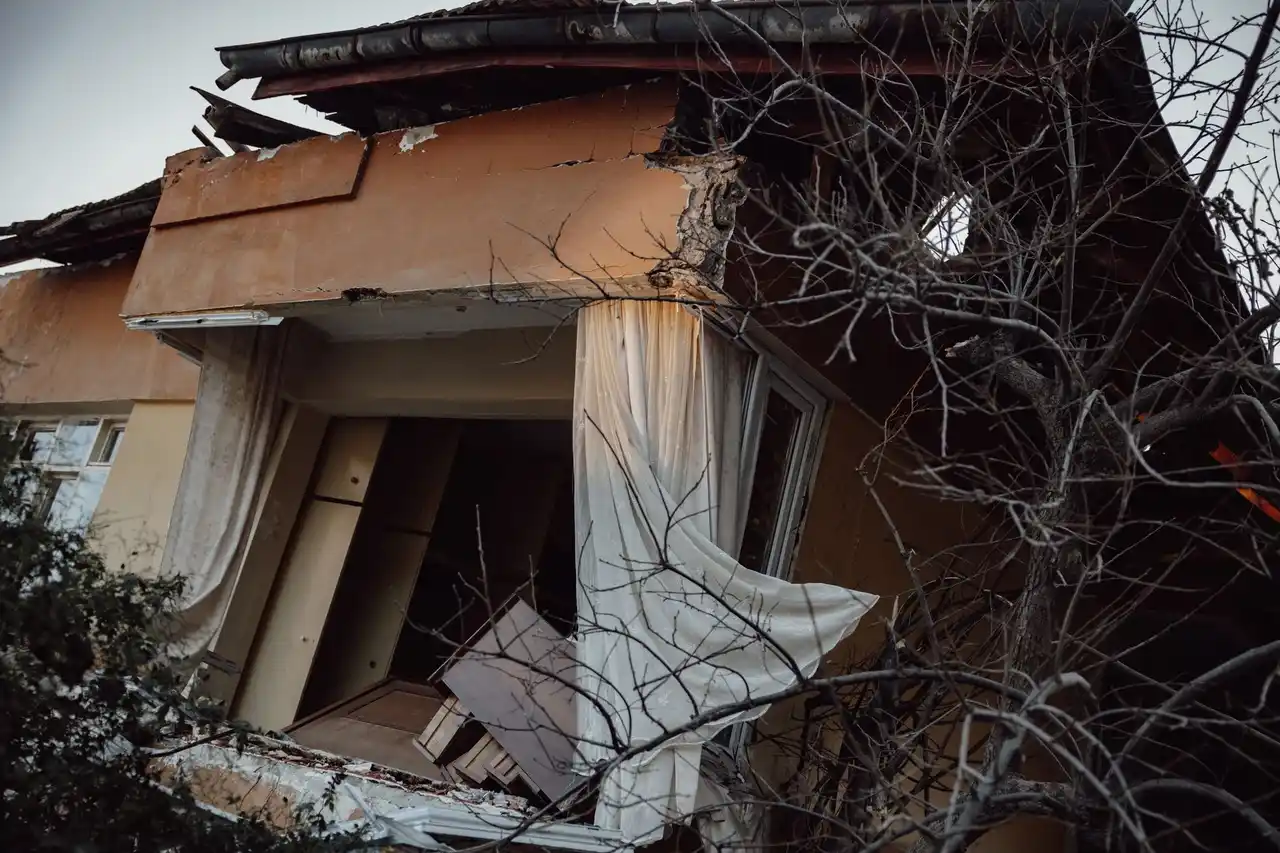
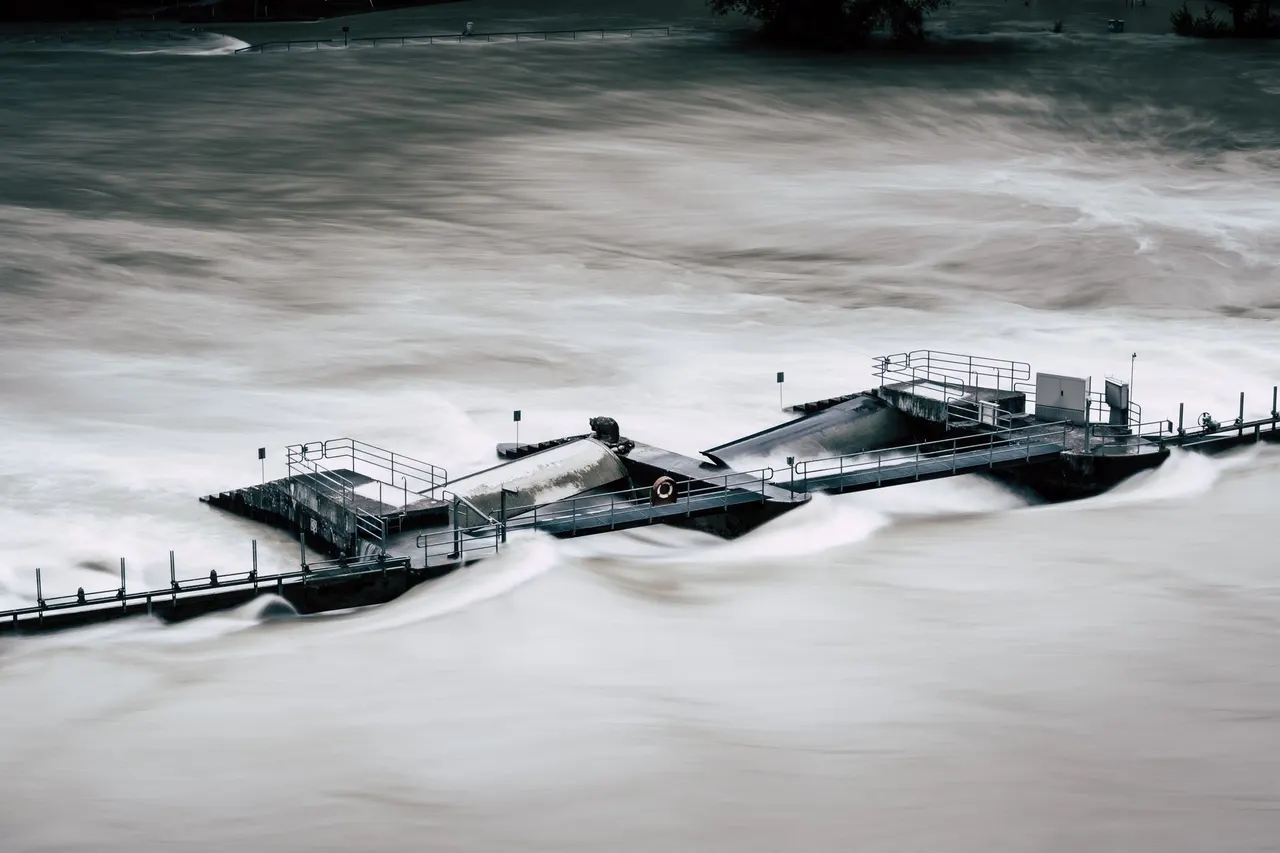
Emergencywaterdamagerepair in Indian Creek, Idaho

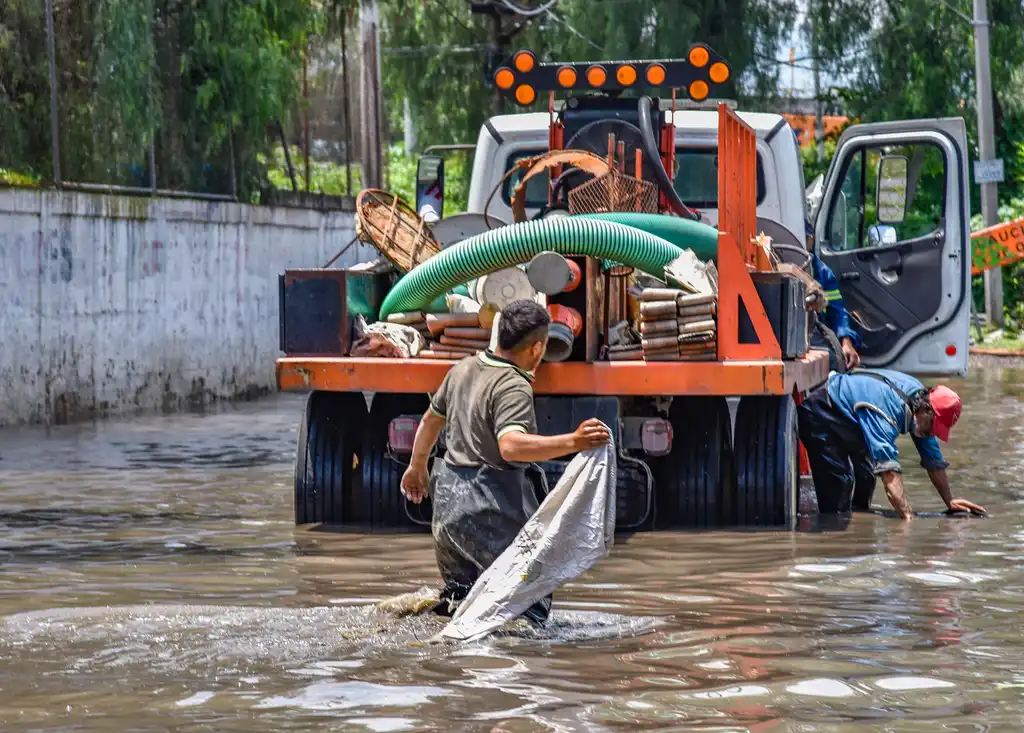
When a pipe bursts or runoff reaches your floor, emergencywaterdamagerepair in Indian Creek starts with stopping the water and protecting what can be saved. We serve Indian Creek East, Indian Creek West, and Creekview, including properties in ZIP code 83634. Our Indian Creek emergencywaterdamagerepair team removes standing water, checks affected materials, and lays out the drying steps in plain language.

emergencywaterdamagerepair in Indian Creek

Serving Indian Creek and Kuna

  • Readings RecordedMoisture checks guide drying decisions
  • Work Area ProtectedContents moved away from wet surfaces
  • Steps ExplainedYou hear what happens next
  • Equipment CheckedAirflow placement reviewed during work

emergencywaterdamagerepair in Indian Creek

emergencywaterdamagerepair in Indian Creek is a property-restoration service that removes unwanted water, limits material damage, and dries affected rooms after leaks or flooding. We work across Indian Creek East, Indian Creek West, and Creekview, where a creek-adjacent flooding risk, seasonal runoff, and a high water table make prompt inspection important. Older homes near creek corridors can also hide water behind baseboards or below flooring, so we check beyond the visible puddle. Our water damage restoration Indian Creek ID service includes extraction, moisture mapping, drying equipment placement, and repair planning. We document affected areas and explain what needs immediate attention before restoration proceeds. If you have a wet basement, ceiling stain, or water spreading from a failed line, call us at (833) 546-4116. We will help you take the next practical step.

Indian Creek needs a nearby restoration crew that knows how water behaves around homes near the greenbelt and creek corridor. In late fall and winter, a frozen pipe can open while a family sleeps; during spring runoff, seepage can show up at a foundation or crawl space. We serve this part of Ada County as part of our Kuna-area work, bringing extraction and drying equipment to homes and local properties. Our crews focus first on safety, stopping the source where possible, and removing water before it travels farther into drywall, insulation, or flooring.
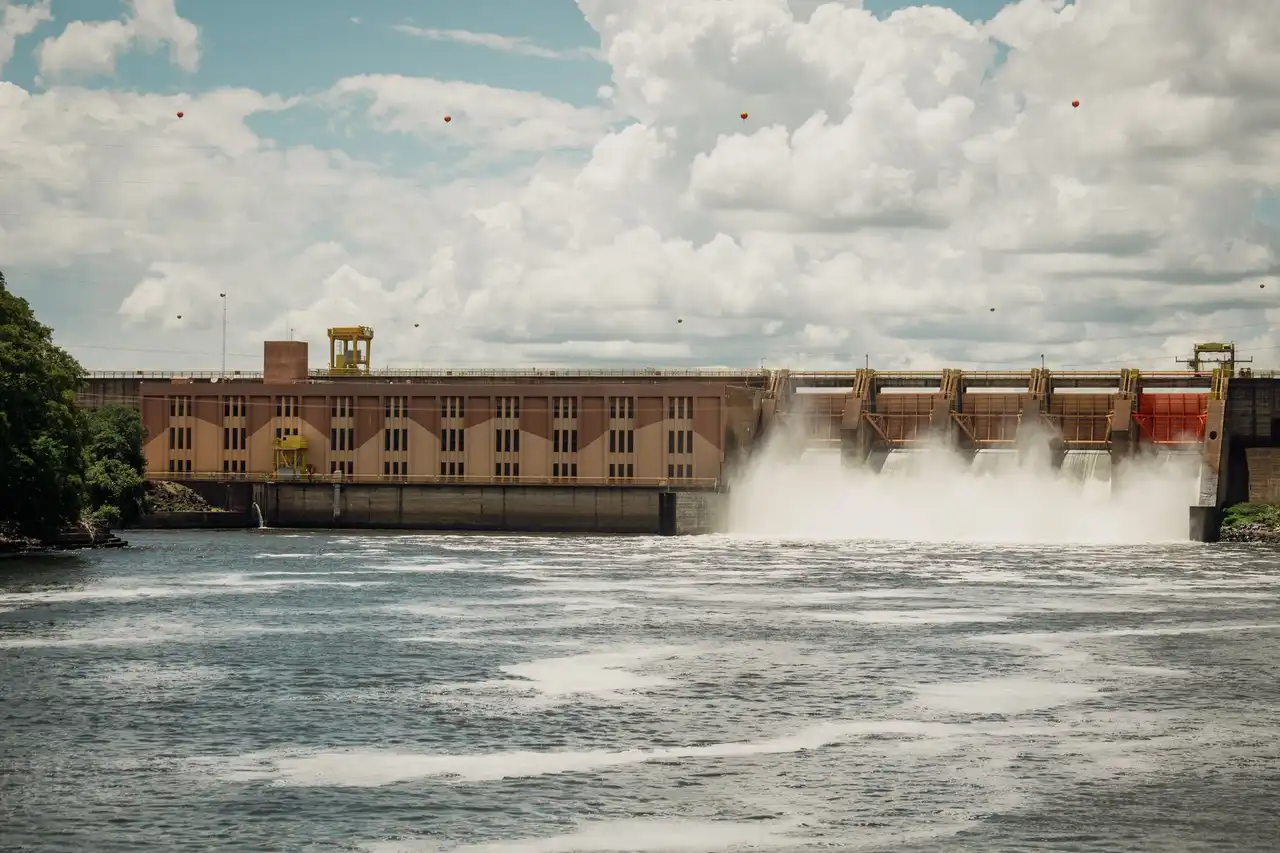
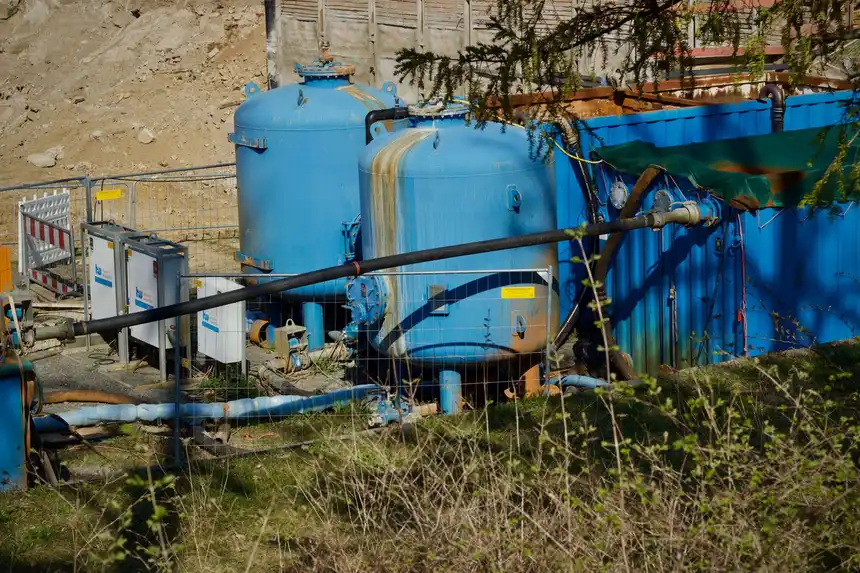
Water damage services across Indian Creek

Indian Creek calls range from a small supply-line leak to several inches of water after a sump pump failure. Our first visit focuses on where water entered, how far it traveled, and which materials can be dried in place. For emergencywaterdamagerepair near Indian Creek, we bring extraction and moisture-checking equipment appropriate to the affected rooms. If water is standing in a lower level, emergency water extraction near Indian Creek ID starts with a safe access check and removal plan. We then measure progress rather than relying on touch or appearance alone.

Water restoration services locally

Emergency restoration in Indian Creek

Emergency restoration in Indian Creek

We locate the water source, protect nearby contents, and inspect floors and wall edges in Indian Creek homes. Readings guide extraction and drying, especially where seasonal runoff or a hidden plumbing leak has affected more than one room. We explain the affected areas before work moves to repairs.

  • Source and damage inspection
  • Targeted water extraction
  • Recorded drying progress
For Indian Creek homes

For Indian Creek homes

We restore homes affected by leaks, runoff, or appliance failures across Indian Creek. Our work considers room layout, flooring, stored contents, and safe access before drying begins.

  • Older homes near creek
  • Finished basement rooms
  • Carpeted living areas
  • Crawl space properties
For Indian Creek businesses

For Indian Creek businesses

We coordinate cleanup around the affected rooms and practical access needs at Indian Creek properties. We identify wet materials, remove water, and organize drying to help limit disruption.

  • Small offices
  • Retail interior spaces
  • Shared property rooms
  • Storage and utility areas

Common Indian Creek water emergencies

Indian Creek properties face a mix of plumbing leaks, winter freeze events, and water entering at lower levels during seasonal runoff. Older homes near creek areas may have different wall and floor assemblies from newer properties, so inspection needs to follow the actual building. A high water table can be relevant when dampness returns at a basement or crawl space, but it does not explain every leak. Our Indian Creek water damage cleanup begins by identifying the source and measuring affected materials instead of assuming the cause from the neighborhood.
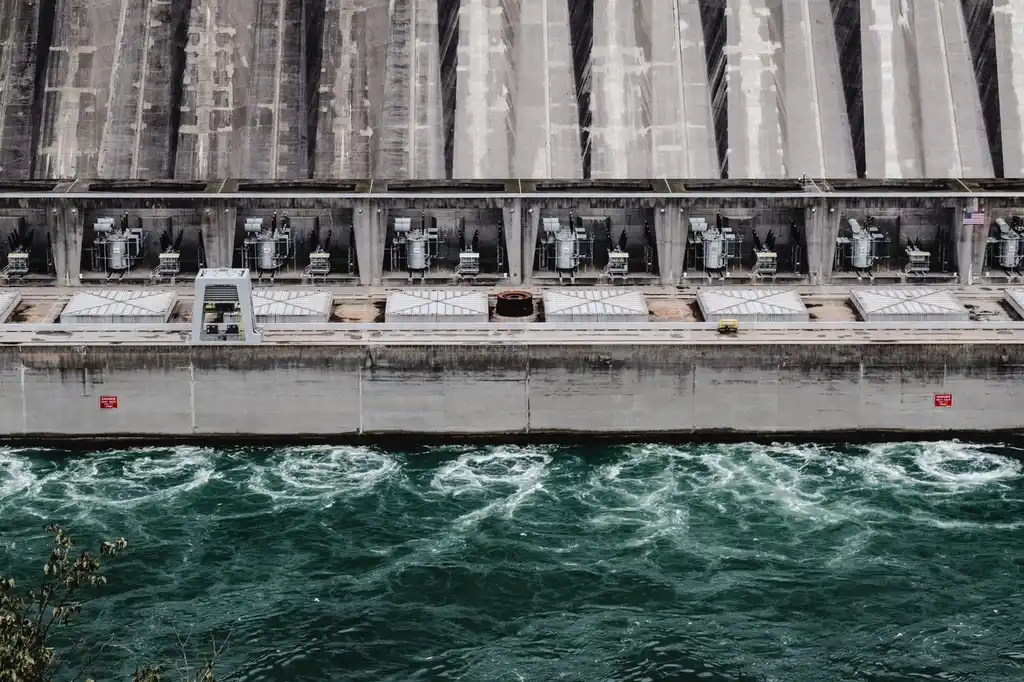
  • Frozen or burst plumbing lines wet walls and cabinet floors

    Frozen or burst plumbing lines wet walls and cabinet floors

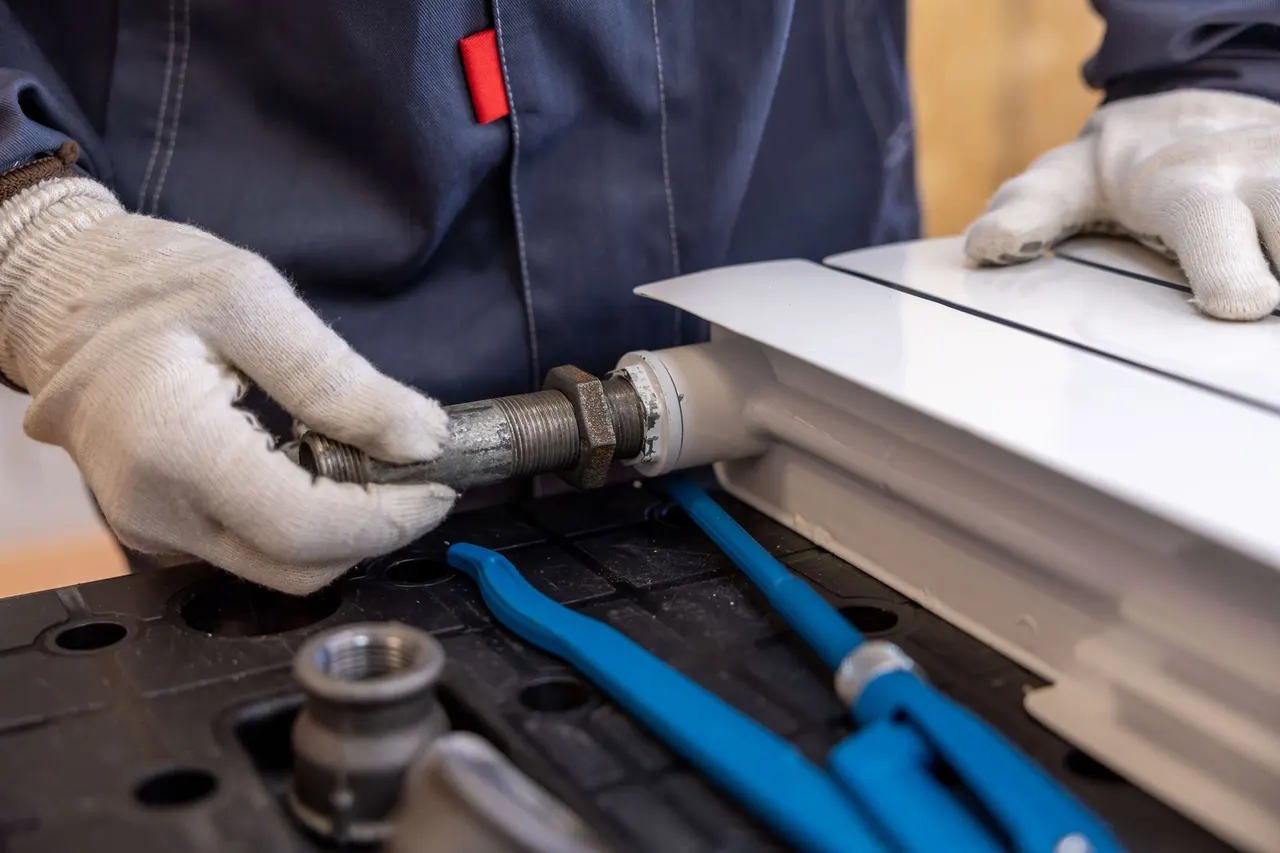
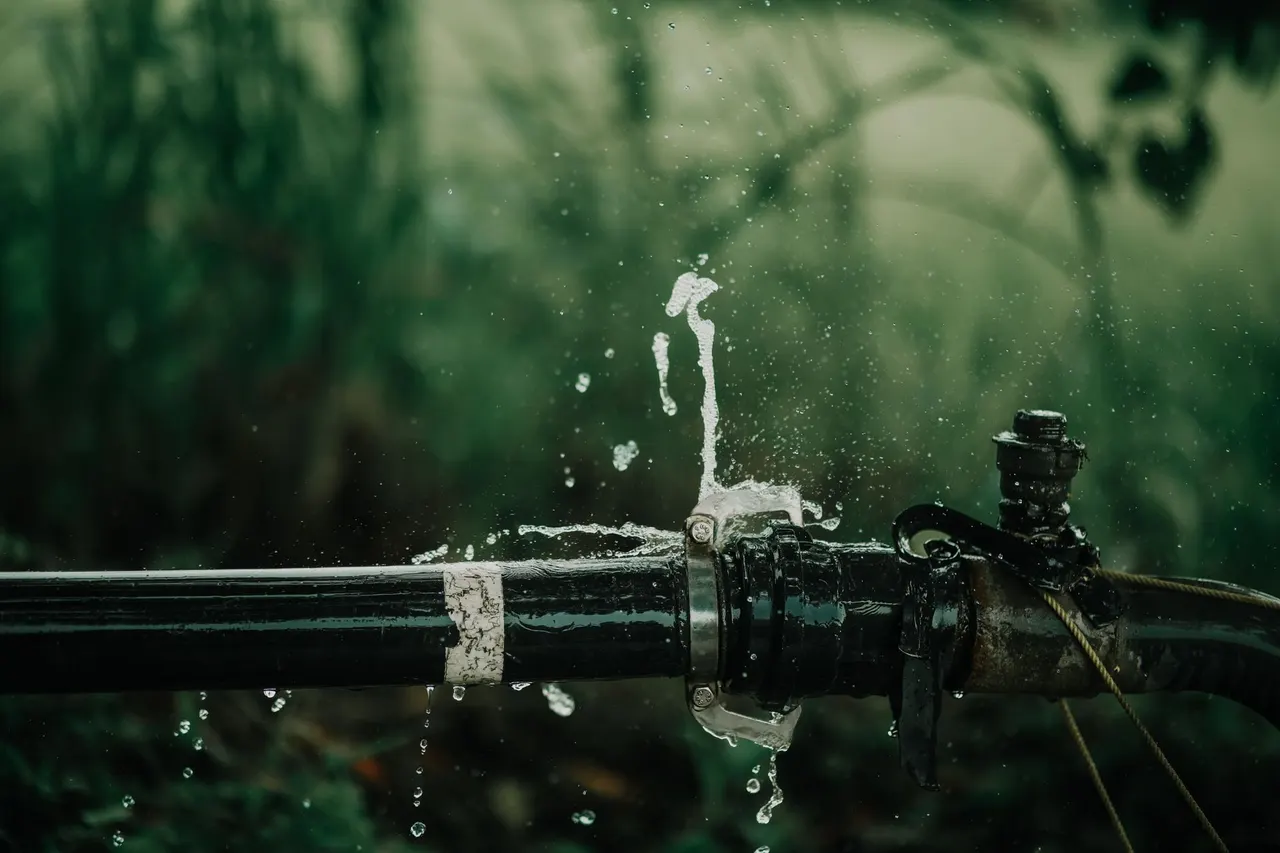
    Cold winter nights can leave exposed or poorly insulated plumbing vulnerable, especially where a line runs through an unheated area. Once the pipe thaws or splits, water can enter a wall cavity and travel to a lower floor or adjoining room before the leak is noticed. We help stop the water source, extract pooled water, and check the surrounding wall, cabinet, and floor for hidden migration. After the plumbing repair, we map moisture and dry affected materials. If drywall or insulation cannot be effectively dried, we explain the removal and repair sequence.

  • Runoff and seepage dampen lower-level walls and crawl spaces

    Runoff and seepage dampen lower-level walls and crawl spaces

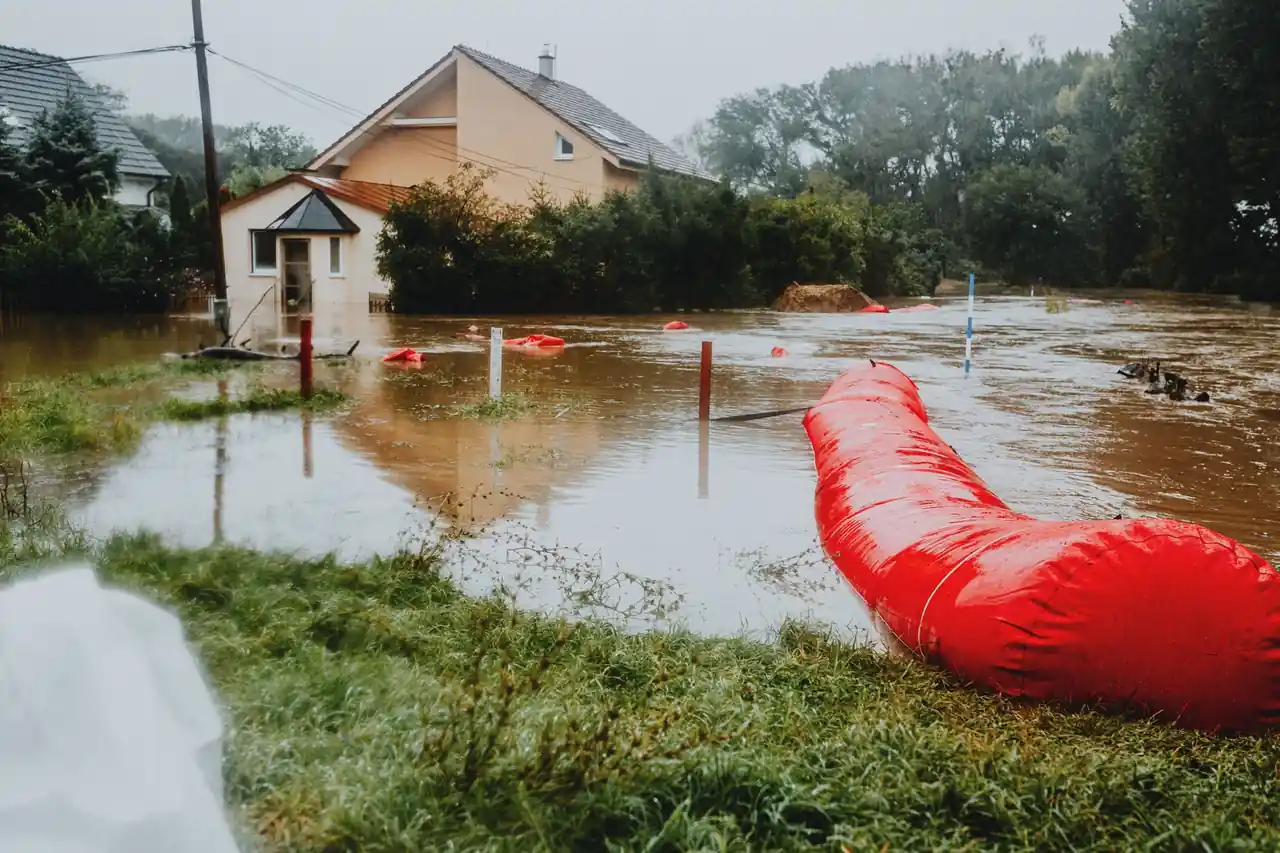
    Seasonal runoff and a high water table can coincide with water appearing at foundation edges or crawl-space low points. That pattern needs investigation: a sump pump failure, exterior drainage issue, or plumbing leak can look similar from inside the room. We remove water first, then inspect the floor-wall joint, accessible crawl space, and pump area for signs of the entry route. Our drying plan addresses the affected materials. We explain when a drainage or sump assessment should follow so the same pathway is not ignored.

  • Roof leaks leave concealed moisture above finished ceilings

    Roof leaks leave concealed moisture above finished ceilings

    Wind-driven rain or a roof defect can carry water along framing before it reaches the ceiling as a stain. By the time a drip appears, insulation and drywall may already be wet beyond the visible mark. We protect the room, assess ceiling stability, and inspect around the visible damage for moisture spread. We coordinate the drying sequence with source repair and remove materials only when their condition calls for it. Follow-up readings help confirm that accessible framing is drying.
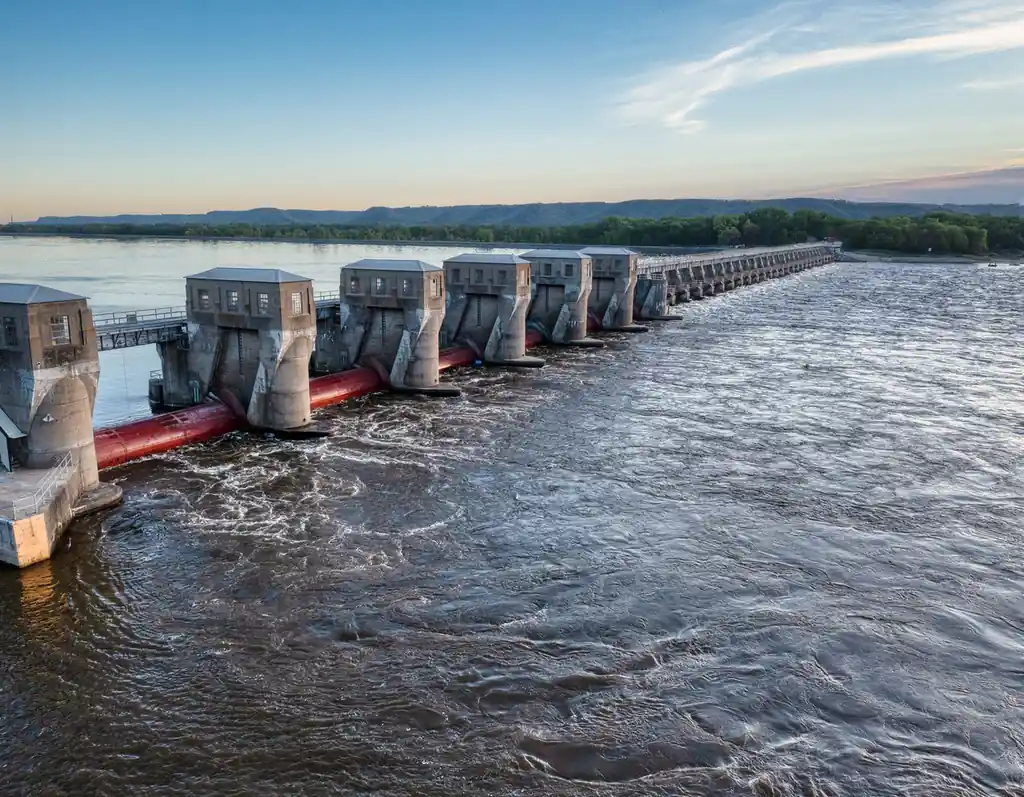
  • Sump pump failures allow water to collect in basements

    Sump pump failures allow water to collect in basements

    A pump that loses power, jams, or cannot keep up with incoming water may leave a basement or crawl space wet. During a wet period, the problem can develop quickly and affect stored belongings, carpet, and lower wall finishes. We assess safe access, remove standing water, and inspect affected finishes and stored contents. We check the pump area and document the observed conditions, then dry materials according to readings. If the pump needs repair or replacement, we address that alongside restoration rather than treating it as a drying issue.

When to call for water damage repair

Notice active leaks, ceiling stains, standing water, damp flooring, or persistent musty odors in your Indian Creek property.

  • Water continues spreading from a pipe

    An active leak can soak cabinets, drywall, and flooring while you are trying to contain it. Shut off the nearest safe supply valve if you can, move belongings away from the water, and call for help. Water near electrical outlets or appliances makes the area unsafe to enter.

  • Ceiling stain grows or begins to sag

    A spreading stain or bulge means water may be collecting above the ceiling finish. Keep people and furniture clear of the area and do not puncture a sagging ceiling yourself. We inspect the source and affected materials before planning removal and drying.
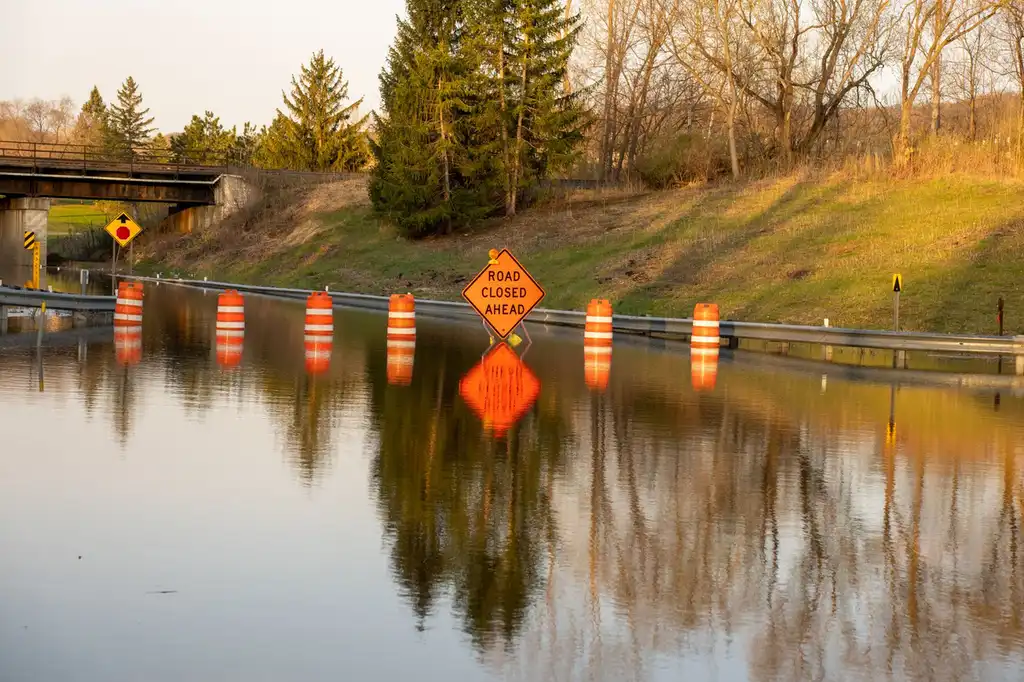
  • Basement floor has standing water

    Standing water can reach stored items, baseboards, and floor coverings quickly. If the water may involve sewage or electrical hazards, stay out and call for controlled cleanup. For clean water, note its depth and the point where it appears so our crew can plan removal.
  • Carpet feels wet after the leak stops

    A carpet surface can feel only slightly damp while carpet padding holds a larger volume below. Leaving it in place without checking can prolong drying and contribute to odor. We inspect carpet edges and adjoining flooring to determine whether extraction and targeted drying are needed.

  • Musty odor follows earlier water damage

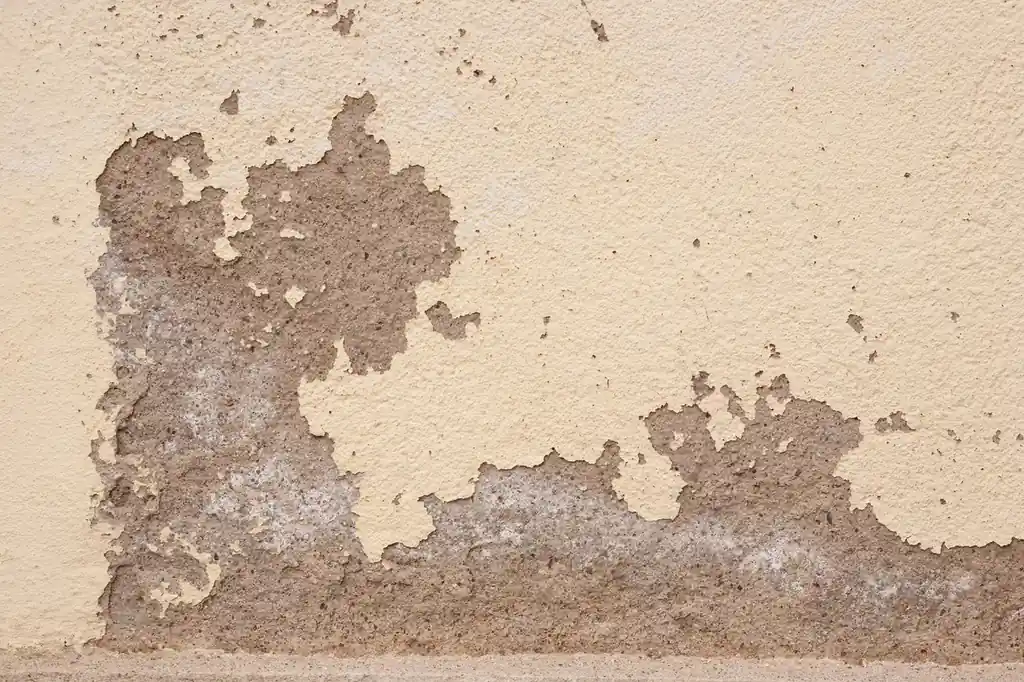
    A musty smell after a leak can signal moisture behind baseboards, under flooring, or inside a wall cavity. The odor alone does not identify the source, so we inspect and measure before choosing cleanup. Call promptly if it appears with staining, soft drywall, or recurring dampness.

How we handle water damage in Indian Creek

Our emergencywaterdamagerepair near Indian Creek follows a measured sequence: make the area safe, stop or isolate the source, extract standing water, map moisture, and set drying equipment. We reach homes in Indian Creek East and Creekview with equipment selected for the affected rooms, not a one-size setup. For emergencywaterdamagerepair in Indian Creek ID near me searches, call (833) 546-4116 and tell us whether water is still flowing, how deep it is, and which rooms are affected. Winter temperatures can put exposed plumbing at risk; spring seasonal runoff can expose seepage at lower levels. We check moisture at the visible damage and neighboring materials, document readings, and return to measure drying progress. Work that involves reconstruction is sequenced after affected materials are assessed. We use applicable ANSI/IICRC S500 water-restoration practices as a reference for inspection, extraction, and drying decisions.

  • Seasonal runoff collects near lower-level entries and foundation edges.

    Water at a doorway or foundation can spread beneath finishes before it becomes obvious. A quick surface pickup alone may leave moisture at baseboards, carpet edges, or the lower wall, particularly in older homes near creek areas. We identify the apparent entry, extract pooled water, and check nearby floors and wall bottoms for moisture. We compare readings across affected and unaffected sections, then place drying equipment where it moves air through the wet materials. If the same entry point recurs, we discuss drainage or exterior repair after immediate cleanup.

  • Freezing nights can split exposed or poorly insulated plumbing lines.

    A frozen pipe may thaw and release water into a wall or cabinet while occupants are asleep or away. Water can travel through framing and show up in a room separate from the failed line, increasing the area that needs inspection. We help you isolate the supply when safe, remove standing water, and inspect the line's surrounding rooms for migration. We check wall and floor moisture before setting equipment. Once plumbing repairs stop the leak, our drying plan targets the full affected path rather than only the first visible puddle.

  • A high water table can complicate recurring basement or crawl space dampness.

    Water that appears at a floor joint or crawl space after wet weather may reflect seepage rather than a single plumbing failure. Repeated wetting can damage stored belongings, insulation, and finishes and leave a persistent musty odor. We remove standing water and inspect the area for likely entry points, sump operation, and material damage. We document conditions and dry affected materials, then explain whether a drainage assessment or pump service should follow. That separates urgent restoration from measures intended to reduce repeat entry.

  • ANSI/IICRC S500 water damage restoration reference

    We use the standard as a technical reference for assessing water damage, selecting extraction and drying methods, and documenting progress. The proper approach depends on water conditions and materials, so the reference supports a job-specific plan rather than an automatic equipment count.

  • EPA Lead-Safe requirements for applicable renovation work

    If repair work disturbs painted surfaces in a property covered by lead-safe rules, the applicable requirements affect how work is contained and handled. We identify when that consideration applies before disturbing materials and keep restoration and reconstruction steps appropriately sequenced.

Landmarks that help us locate Indian Creek

We use the Indian Creek area name and the caller's street address to route service accurately; a park or greenbelt is a useful orientation point, not a substitute for an address. Indian Creek Park and the Indian Creek greenbelt help identify the local corridor when you describe where a property sits. Please share a nearby intersection, gate instructions, and the best place to unload equipment. That helps us plan a safe path from the vehicle to the affected room without assuming public paths provide property access.

  • Indian Creek Park

    Indian Creek Park is a local orientation reference for callers describing the surrounding area. Providing your street address and nearest intersection alongside the park reference helps us distinguish your property from nearby streets.

  • Indian Creek greenbelt

    The Indian Creek greenbelt identifies the creek-side corridor in local directions. It can help explain a property's general position, but crews still need the property address and entrance details to navigate directly to the work site.

  • Indian Creek

    The creek itself is the geographic reference behind the service-area name. Mentioning the nearest access point or street with your address gives our crew a practical route without implying that any particular property has a water issue because of proximity.

  • Kuna Town Center

    Kuna Town Center is a named local destination within the wider Kuna service region. It can serve as a general reference when callers explain where they are traveling from, while the service address remains the routing point.

  • Downtown Kuna

    Downtown Kuna provides a recognizable commercial and civic reference in the surrounding service area. For a restoration visit, callers should give the Indian Creek property address and note any access restrictions or loading needs.

  • Kuna-Mora Road

    Kuna-Mora Road is a local road reference for reaching the broader Kuna area. The best final approach depends on the Indian Creek property address and current access conditions.

  • Meridian Road

    Meridian Road is a regional roadway reference in the Kuna area. Share your nearest connection and street address so the crew can plan the final route to the affected property.

Indian Creek neighborhoods we serve

We serve Indian Creek East, Indian Creek West, and Creekview, with service access across the Indian Creek area of Ada County. Each call starts with your location, the water source, and the rooms affected; that lets us bring suitable extraction and drying equipment instead of making a second trip for basic tools. Homes near the creek corridor and properties with lower-level spaces often need careful checks beyond the visible wet area.

  • Indian Creek East
  • Indian Creek West
  • Creekview
  • Indian Creek greenbelt area

Indian Creek restoration work examples

  • Indian Creek East

    Before

    A supply line leaked beneath a kitchen sink in Indian Creek East, wetting cabinet bases and extending into the adjoining floor before the homeowner found the shutoff.

    After

    We helped isolate the source, extracted water from the floor edge, and checked nearby cabinets and wall bottoms for migration. Our crew moved contents away from the wet area and recorded moisture readings at the kitchen threshold and adjoining room. We set drying equipment to direct airflow across the affected floor and returned to compare readings. Water was removed from the affected kitchen area, and follow-up readings tracked drying over 3 days. The owner had a documented affected-area map for repair planning.

  • Indian Creek West

    Before

    After a wet-weather period, a homeowner in Indian Creek West found water at a basement wall-floor joint and damp carpet near stored boxes.

    After

    We removed standing water and checked the carpet edge, baseboards, and lower wall for moisture. The inspection considered foundation seepage and sump operation rather than treating the puddle as an isolated spill. We protected dry contents, documented the affected section, and discussed drainage follow-up after interior drying. The immediate water was extracted, and the affected basement materials were monitored through 4 days of drying checks. The owner received a clear distinction between cleanup and further drainage work.

  • Creekview

    Before

    A ceiling stain in Creekview became an active drip after a roof leak, wetting drywall and insulation above a living space.

    After

    We protected furnishings, assessed the ceiling for stability, and traced the visible moisture into the affected area. After the roof entry was addressed, we removed water-damaged material where needed and dried accessible framing. Our crew checked the surrounding ceiling rather than stopping at the stain's outline. The leak-related interior area was mapped and dried with readings recorded across 3 inspection points. Drying and repair planning were completed in sequence, reducing the chance of closing wet material behind a new finish.

Indian Creek customer feedback

4.9

  • Water from a broken line reached the kitchen and hallway before we found it. The crew extracted the water, checked the floor edges, and explained why the adjoining room needed to be measured too. They returned to check drying rather than guessing from the surface. We knew what was happening at each step and could plan the repairs.
    Megan R.Indian Creek East
  • We found water along the basement wall after rain and were worried about what was under the carpet. The team removed the standing water, checked the baseboards, and showed us the damp areas they were tracking. They also separated the cleanup from the drainage question, which made the next steps easier to understand.
    David L.Indian Creek West
  • A roof leak left a stain and a soft spot in our ceiling. The crew protected the room, inspected around the visible damage, and explained the drying sequence before repair. They checked moisture in several spots and gave us a clear update after the follow-up visit. The work area stayed organized while our belongings were protected.
    Sarah T.Creekview

Indian Creek water damage by season

  • Spring

    Seasonal runoff can reveal seepage at lower-level walls, crawl spaces, and foundation edges. A sump pump that worked through winter should be checked before wetter conditions arrive. Water at a floor joint needs an inspection to distinguish seepage from a plumbing leak. Keep the sump area accessible and note where water first appears. If water enters, move stored items up and call before damp materials remain covered.

  • Summer

    Summer storms can bring roof leaks, gutter overflow, or water through an exposed opening. A ceiling stain may appear well after the rain begins because water can travel along framing. Warm indoor conditions do not dry a wet wall cavity reliably without measurement. After a storm, check ceilings and exterior-facing rooms from a safe position. Photograph new stains, protect contents, and call if water is actively dripping or drywall softens.

  • Fall

    Leaves and debris can restrict gutters as rain returns, directing runoff toward walls or foundation areas. A small roof or plumbing leak may become more noticeable when windows stay closed and indoor odors linger. This is also a useful time to check the sump system. Clear accessible drainage paths before wet weather and keep gutters maintained. If you notice damp baseboards or a musty lower-level smell, arrange an inspection before the area becomes visibly wet.

  • Winter

    Freezing temperatures raise the risk of frozen pipes in exposed or unheated areas. A line can split and release water when it thaws, soaking cabinets, walls, and floors. Cold-weather roof leaks and sump problems also need prompt attention when water reaches finished space. Know where your main water shutoff is and use it if a pipe leaks and it is safe to do so. Keep away from water near electrical equipment and call for extraction and inspection.

Questions to ask a restoration contractor

A good Indian Creek restoration contractor should explain what will happen in the first visit, how water will be removed, and how drying progress will be checked. Ask for specifics, not broad promises. The source, water category, building materials, and access all change the work plan. We answer directly, show you affected areas, and document moisture readings so you can follow the reasoning behind equipment placement and material decisions.

  • Will you check beyond the visible water stain?

    Water often travels under flooring or through a wall cavity before the stain shows its full size. A thorough inspection checks adjoining rooms, baseboards, and material edges. The answer should explain how moisture will be measured and how results will guide drying or removal.

  • How will you measure whether the structure is drying?

    Equipment running in a room does not prove that hidden materials are dry. Ask whether the crew records readings and returns to compare them. A useful answer identifies what will be checked, where readings are taken, and how the drying plan changes when progress slows.

  • Who handles sewage contamination or unsafe water?

    Sewage backup and other contaminated water require more controlled handling than a clean pipe leak. The contractor should identify the affected area, limit access, and describe cleanup steps suited to the water source. That answer helps you judge whether ordinary extraction is enough.

  • What equipment will you bring for my wet rooms?

    The right setup depends on water volume, flooring, room size, and access. Ask how extraction and drying equipment will be placed and whether stored contents need to move. A clear answer connects equipment to measured conditions rather than offering the same setup for every property.

  • How do you document work for my insurer?

    Photos, affected-area notes, and moisture readings make it easier to explain the loss and track restoration. Ask what documentation the crew provides and whether the repair estimate follows a recognized format such as Xactimate. You remain responsible for confirming policy coverage with your insurer.

FAQs about emergencywaterdamagerepair in Indian Creek

Still wondering? (833) 546-4116

Local service team

Call for emergencywaterdamagerepair in Indian Creek

If water is spreading through your Indian Creek home, call Kuna water damage restoration at (833) 546-4116. Tell us where the water started, whether it is still active, and which rooms are affected; we will help coordinate the next steps. Our team serves Indian Creek and nearby Kuna addresses, with emergency response available for urgent water losses. Call now to arrange service.

Contact the Kuna Team

Call (833) 546-4116 when water reaches your home or business in Kuna, Idaho. Tell us whether the source is still active, which rooms are affected, and when the damage began; that helps direct the next steps. Calls are accepted at any hour for emergency inquiries, and service coverage includes Kuna, ID, with ZIP codes 83634 and 83642.

Thanks. Your request is in and the team will follow up shortly.