Moisture map
Affected rooms and readings documented.
Storm damage restoration kuna ID helps homeowners and property managers limit damage after wind-driven rain, roof failure, hail, or flooding. We secure affected areas, remove standing water, and dry building materials before moisture spreads into walls and floors. For kuna storm restoration services, call us when a ceiling stain grows, carpet feels soaked, or water is entering through a roof or foundation.
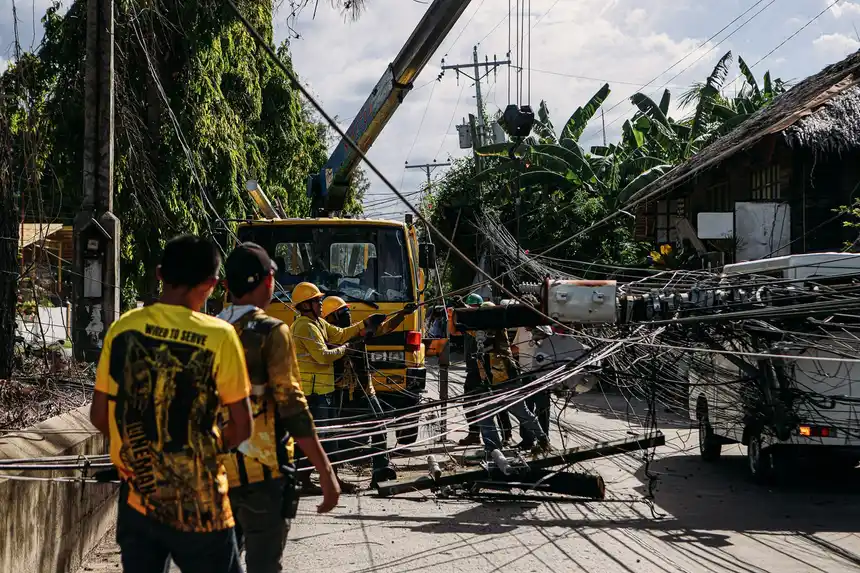
Storm damage restoration includes an inspection of water-affected areas, extraction of standing water, drying, and guidance on related interior repairs. We check whether water is still entering and document the materials that need attention. Roof replacement, major reconstruction, and drainage upgrades are separate building projects; we identify where those steps connect to the water restoration so you can plan the work in the right order.
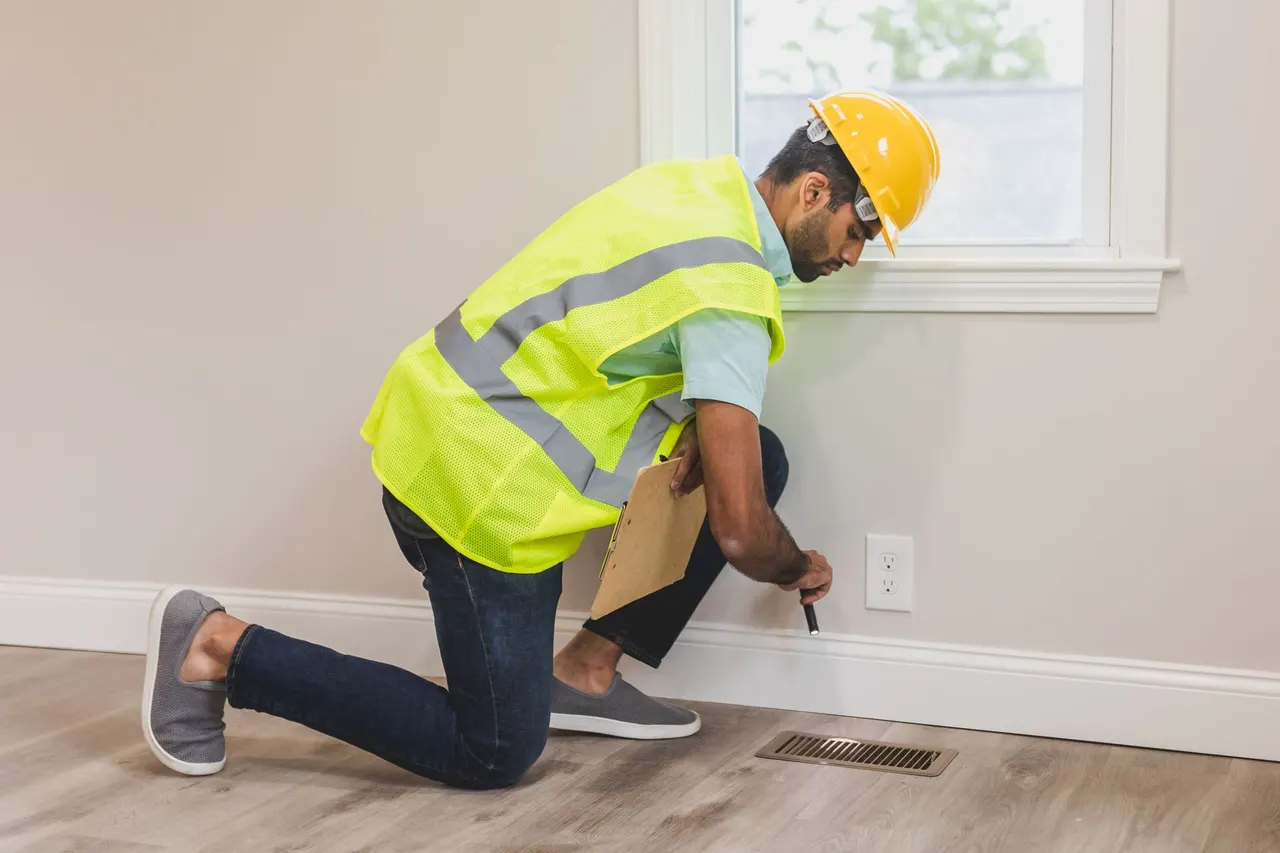
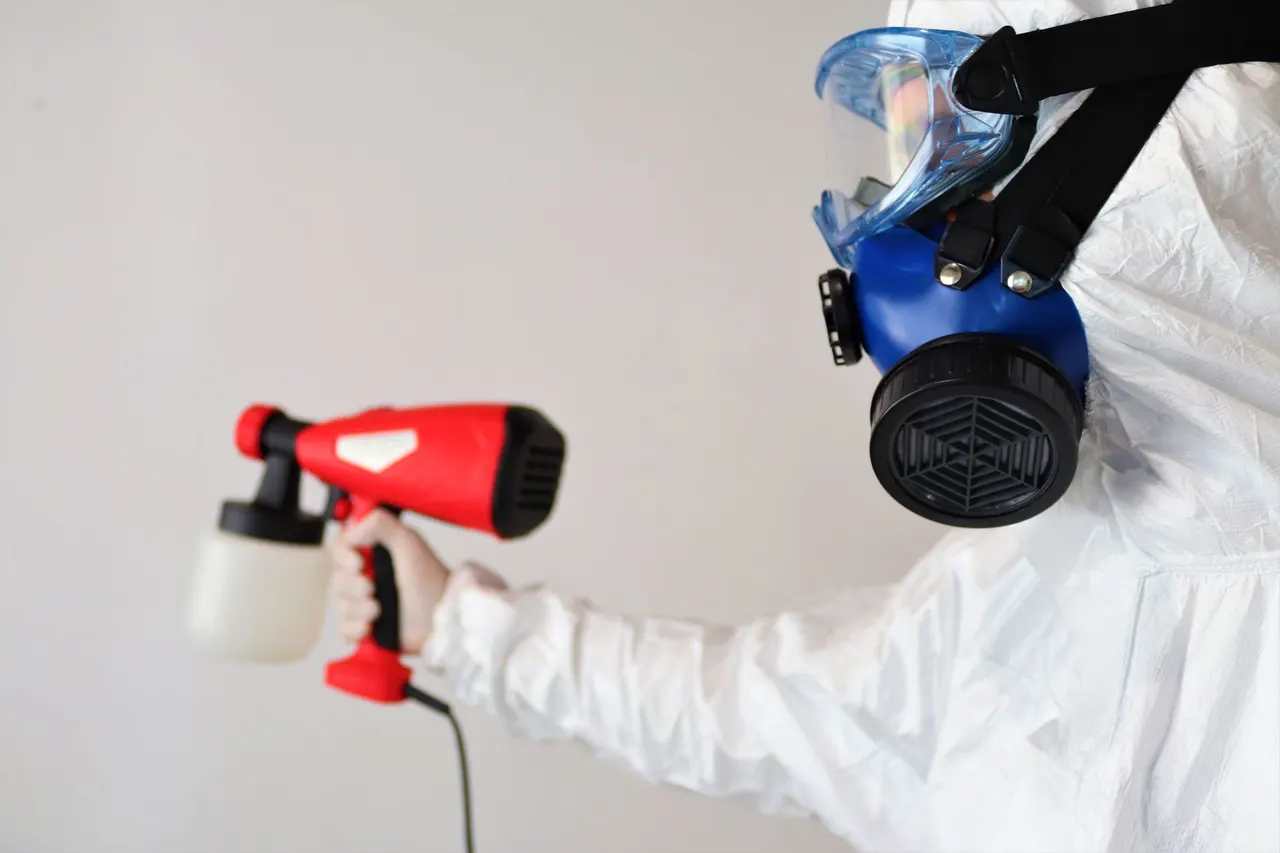
We help homeowners and tenants recover rooms affected by roof leaks, runoff, or storm flooding. We inspect hidden moisture, remove water, and explain which materials need drying or repair.
We organize water removal and drying around access needs in occupied properties. We document affected areas and keep equipment placement practical for staff, tenants, and customers.
Storm damage restoration kuna ID is a property recovery service that removes storm water, dries affected building materials, and repairs damage after severe weather breaches a structure. We begin by checking the source and extent of water, then extract standing water and map moisture in drywall, insulation, flooring, and framing. A moisture meter and thermal imaging camera help locate wet areas that are not visible from the room. We then set drying equipment, track readings, and coordinate repairs once the structure is ready.
Kuna homes can take on water after winter wind and rain, spring thunderstorms, hail, or fast runoff around roofs and foundations. A roof leak can soak insulation and leave ceiling water stains, while surface water can reach crawl spaces or lower-level rooms. We handle storm damage repair kuna and explain the immediate steps for your property. If you are searching for storm damage restoration kuna ID near me, we can assess the affected rooms and start water removal.
Remove water, measure what remains, and dry materials before repairs conceal the damage.
Storm damage restoration kuna ID follows a controlled sequence: stop ongoing water entry, inspect, extract, dry, then repair. We explain the work at each stage and keep you informed about access, equipment, and drying checks. A small contained loss can move quickly; a multi-room event requires more monitoring.
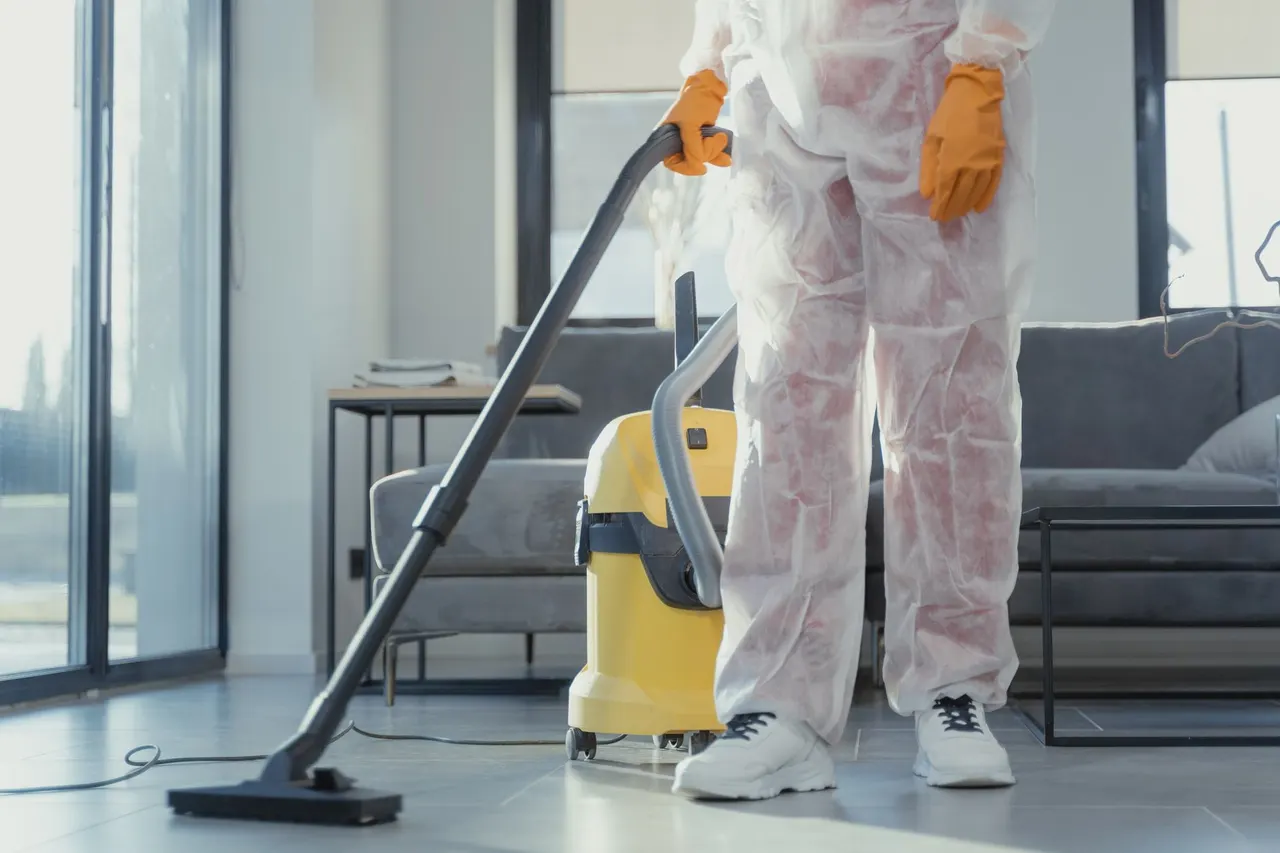
We first look for electrical hazards, unstable ceiling areas, and active water entry. If water is near outlets or a panel, keep clear and shut off power only when it is safe to do so. We protect unaffected rooms and identify whether a temporary roof cover or other immediate containment is needed before water removal starts.

We record visible damage, check adjoining rooms, and map moisture in walls, ceilings, floors, and lower spaces. A moisture meter helps establish readings, while an inspection camera can check concealed cavities where access is appropriate. This visit commonly takes 30 to 90 minutes for a contained residential loss, depending on room count and access.
We remove pooled water from floors, carpet, and accessible lower areas using extraction equipment. If storm runoff has entered a basement or crawl space, we check the source and watch for electrical or contamination concerns before pumping. A sump pump may help with active water, but it does not replace drying wet materials after the water level drops.
We place air movers to circulate air across wet surfaces and use a dehumidifier to collect moisture from the room. Equipment placement depends on the materials and readings, not a fixed machine count. During the next 24 to 48 hours, we check progress and adjust airflow or remove materials that cannot be dried in place.
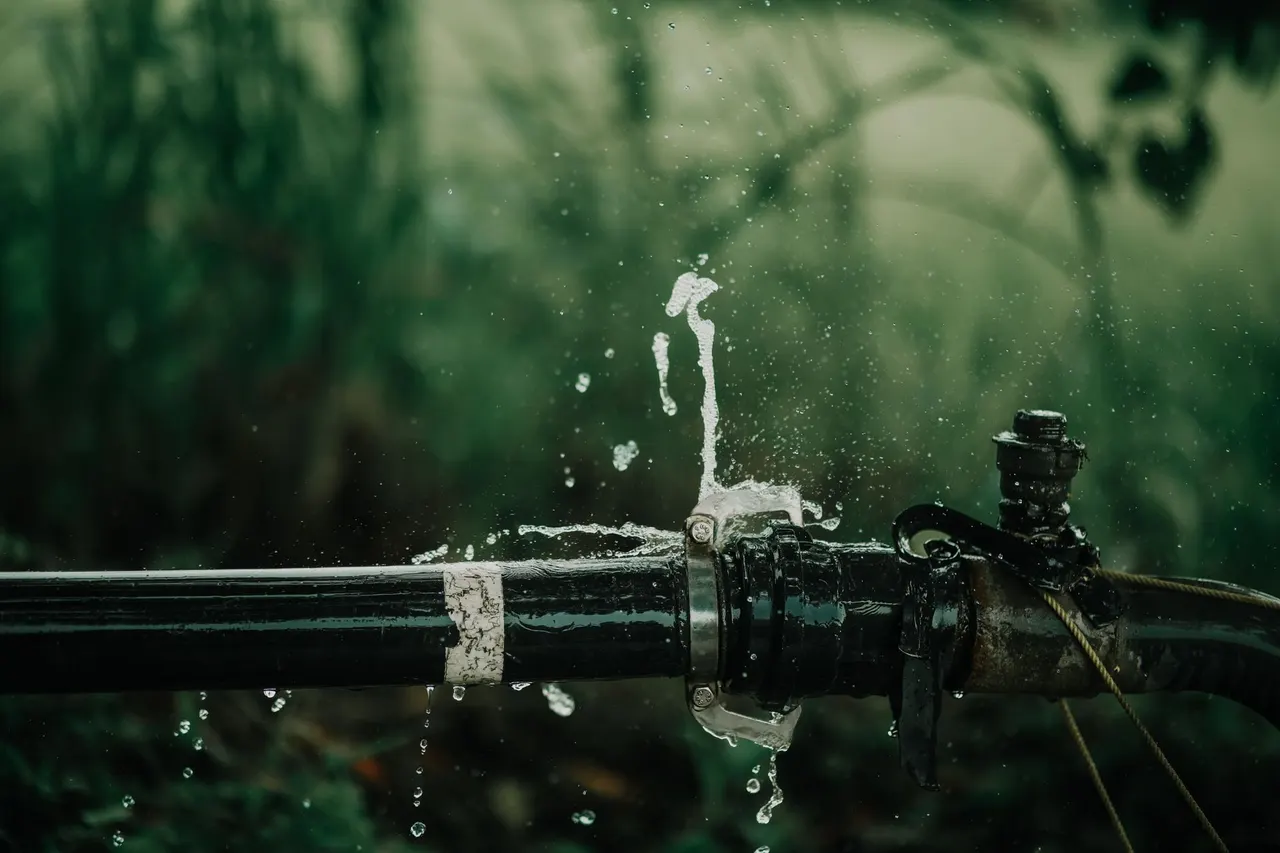
We compare follow-up moisture readings with the initial map and confirm which surfaces are ready for repairs. Wet drywall, insulation, or carpet padding that cannot be dried appropriately is removed for replacement. We review the remaining work with you, from ceiling repair to floor replacement, after the water source has been controlled.
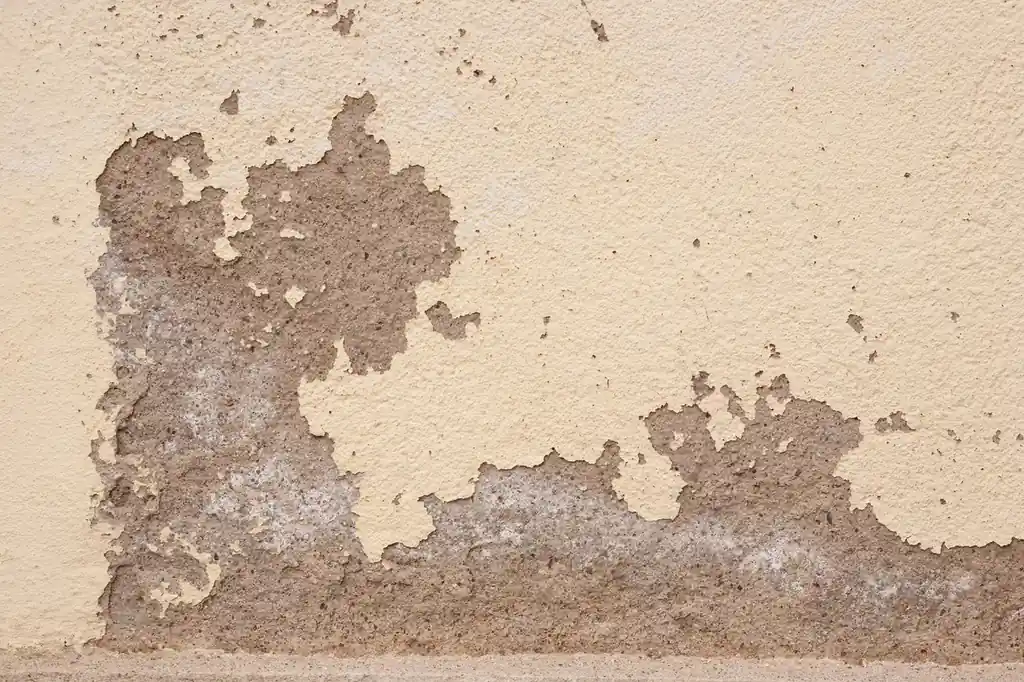
We measure moisture in accessible building materials and compare readings during drying. The results help locate damp areas that look dry and guide decisions about equipment and repairs.
We use thermal patterns to help identify temperature differences that may indicate hidden moisture. Findings are checked with direct measurements, since an image alone does not confirm water.
Air movers circulate air across wet surfaces while a dehumidifier collects moisture from the room. We position equipment to support drying without blocking safe access through the affected area.
We use extraction equipment to remove standing water from floors and suitable carpeted areas. Prompt removal reduces the time water contacts flooring, padding, and other building materials.
Dri-Eaz restoration equipment supports controlled airflow and dehumidification on water losses. We select and place equipment according to the room layout, water conditions, and materials being dried.
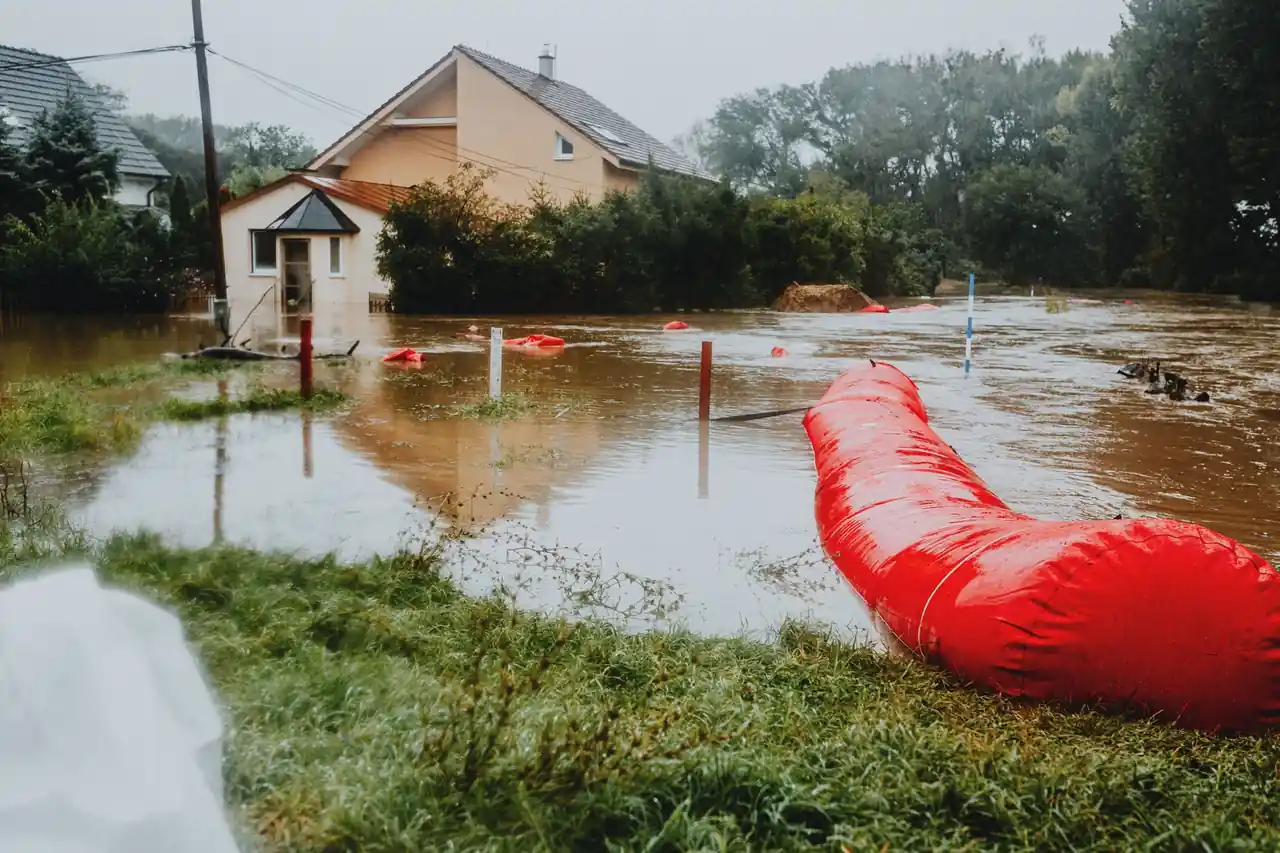
We follow established water restoration principles by assessing the source, water conditions, affected materials, and drying progress. The job begins with safety and extraction, then moves through controlled drying and verification. This sequence helps prevent premature repairs that conceal moisture in a wall, floor, or ceiling cavity.
We record affected locations and readings at the start, then revisit those areas as drying proceeds. Changes in readings inform equipment adjustments and help distinguish a dry surface from a dry assembly. You can follow the progress by room and understand why a particular material needs more attention.
We identify whether rain is still entering through a roof, wall, or foundation before rebuilding affected interiors. Water removal and drying cannot hold if the opening remains active. Once the source is controlled and materials are checked, we move into repair planning for drywall, insulation, flooring, and trim.
We inspect the stained area and accessible cavity, check whether water is still entering, and protect the room below. We remove wet materials that cannot be dried in place, then set equipment to dry the ceiling assembly. Our readings guide when the interior repair can proceed. You get a defined path from active leak response to dry materials and ceiling repair, with affected areas documented for your records.
We assess standing water and electrical concerns, extract water, and check lower walls, flooring, and stored contents. We monitor adjacent spaces because water can travel beyond the visible pool. Once extraction is complete, drying equipment is set according to room conditions. The basement moves from pooled water to monitored drying, and you know which materials need cleaning, removal, or repair.
We check the ceiling and surrounding rooms, document the water path, and coordinate interior drying with source control. We protect contents, remove wet insulation or drywall when necessary, and track moisture during the drying phase so repairs do not cover damp materials. The affected rooms are contained and documented, helping the property manager plan repairs while limiting disruption to tenants.
We inspect the accessible area, remove standing water, and check visible insulation and framing for moisture. We dry the space as conditions permit and record the affected areas. If the pump or drainage route contributed, we explain that issue as part of the recovery plan. Water is removed and the crawl space has a monitored drying plan, with the pump-related concern clearly identified.
Kuna's mix of established homes and newer subdivisions means storm water can enter through different details: roof edges, window openings, foundation joints, or low crawl spaces. Cold-season wind and rain can drive water under roofing, while spring thunderstorms can push runoff toward basements and slab edges. We check the entry point and the building materials affected before choosing an extraction and drying plan. For kuna storm restoration services, that means accounting for the home, not assuming every loss needs the same equipment. We serve Ada County, including properties around ZIP codes 83634 and 83642. If you need storm damage restoration in Arbor Ridge ID, we inspect connected rooms and document moisture before repair work starts. We use measured drying progress and follow applicable restoration practices; any reconstruction must also follow local requirements for the specific project. Call (833) 546-4116 when you see new ceiling stains, wet flooring, or water collecting in a lower space.
Wind-driven rain entered near a roof edge and left a growing ceiling stain. The living room carpet felt damp along one wall, but the full extent was unclear. Wet insulation and drywall above the stain could not be judged from the room, and another rainfall would have added water if the opening stayed active.
We controlled the water entry, extracted moisture from the affected floor area, and checked the ceiling cavity and adjoining wall. Drying equipment ran for several days, with readings recorded at follow-up. The wet ceiling materials were identified for repair only after the cavity had been checked, and the remaining room was kept clear for the work.
After repairs, check the ceiling and roof edge after strong wind or rain. Keep gutters clear and note any new stain promptly. A fresh mark or musty odor should be inspected before it spreads.
Runoff reached a basement near a foundation wall and spread across carpet and stored boxes. Water was visible at the floor, but the baseboards and adjoining wall could also be wet. The sump system had not kept the area dry, leaving the homeowner unsure whether the water source had stopped.
We removed standing water, checked the lower wall and floor edges, and separated wet contents from dry items. Air movers and a dehumidifier supported drying for about four days, with moisture readings guiding equipment adjustments. The affected carpet padding was assessed separately, and the homeowner received a clear list of materials needing repair.
Inspect the basement after heavy rain and keep stored items raised off the floor. Check the sump system before the wet season, and address new seepage before it reaches carpet or wall materials.
A storm and pump failure left standing water beneath a home. Insulation had sagged in one section, and the crawl space was difficult to assess from the access opening. The owner needed to know whether water had reached framing and how much material required removal.
We assessed the accessible area, removed standing water, and checked visible insulation and framing for moisture. The affected insulation was identified for removal, and drying was monitored with follow-up readings. The owner received a record of the wet areas and the pump concern that needed attention before the next major rain.
Keep the crawl-space access clear and inspect the pump and discharge route periodically. After heavy rain, look for standing water or a damp odor and arrange an inspection if either returns.
Storm water rarely stays where it first appears. It can move from roof cavities into walls, from a foundation into a basement, or beneath flooring before a stain becomes obvious. We trace the moisture path, remove water, and dry affected materials so you can move from active damage toward safe repairs.
We inspect the ceiling and accessible roof cavity, record moisture, and address active water entry before interior repairs. We extract any pooled water and remove materials that cannot be dried appropriately. Air movers and dehumidification support drying, with follow-up readings to confirm progress before the ceiling is closed. Water can spread along framing, soften drywall, and stain a larger ceiling area. Delayed drying raises the chance of material deterioration and mold growth.
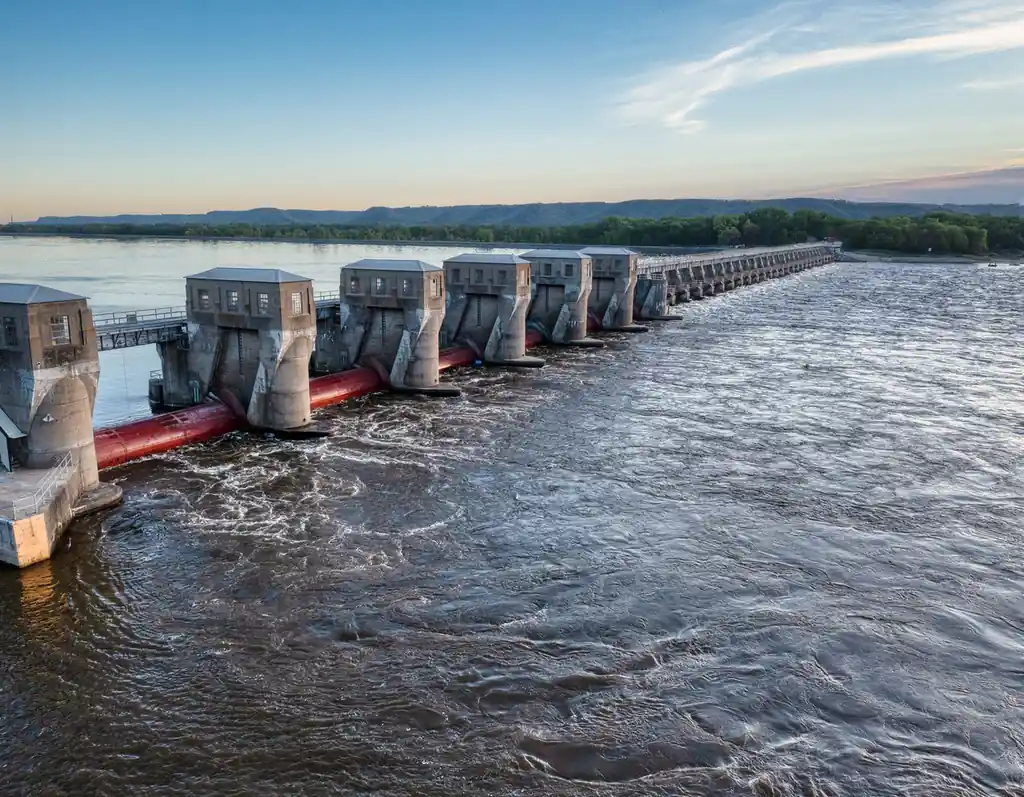
We remove standing water, inspect the lower walls and floor edges, and check for moisture beyond the visible puddle. After drying, we explain whether the source points to foundation seepage, a drainage concern, or another route. That makes it easier to prioritize interior repairs and address recurring entry. Water can damage carpet, baseboards, stored belongings, and wall materials. Repeated seepage also makes it difficult to determine whether the structure has fully dried.
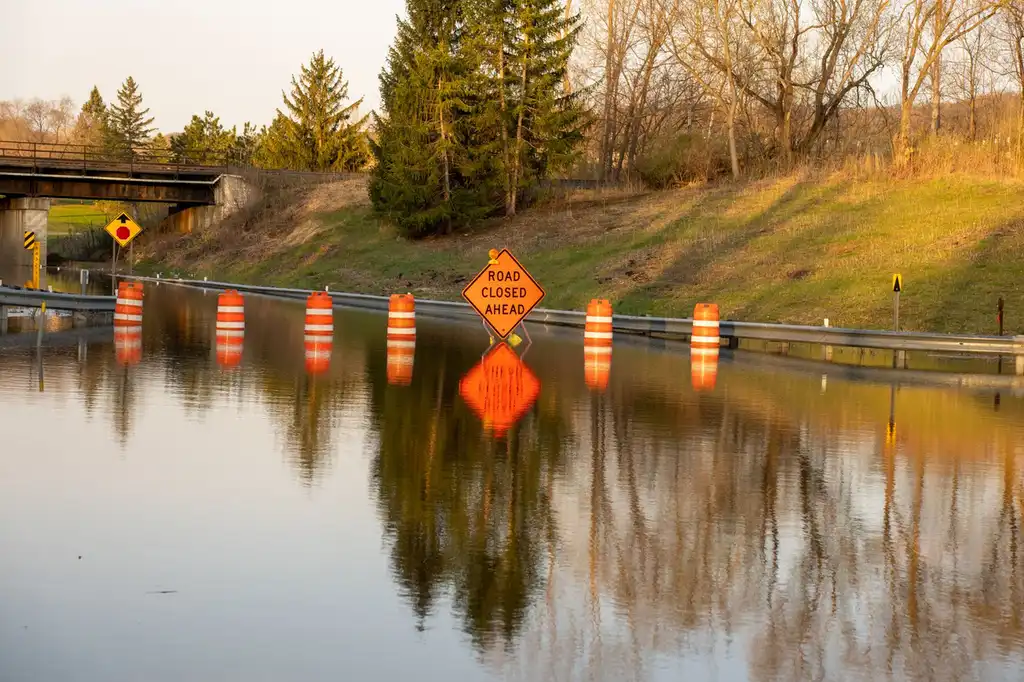
We extract water, check flooring and padding at edges, and map moisture across connected rooms. Drying equipment is positioned to support the materials that can be retained. We explain which flooring can be monitored and which wet components need removal, using readings rather than appearance alone. Water can travel under flooring and into carpet padding, leaving damp materials after the surface appears dry. Swelling, odor, or finish damage can follow.
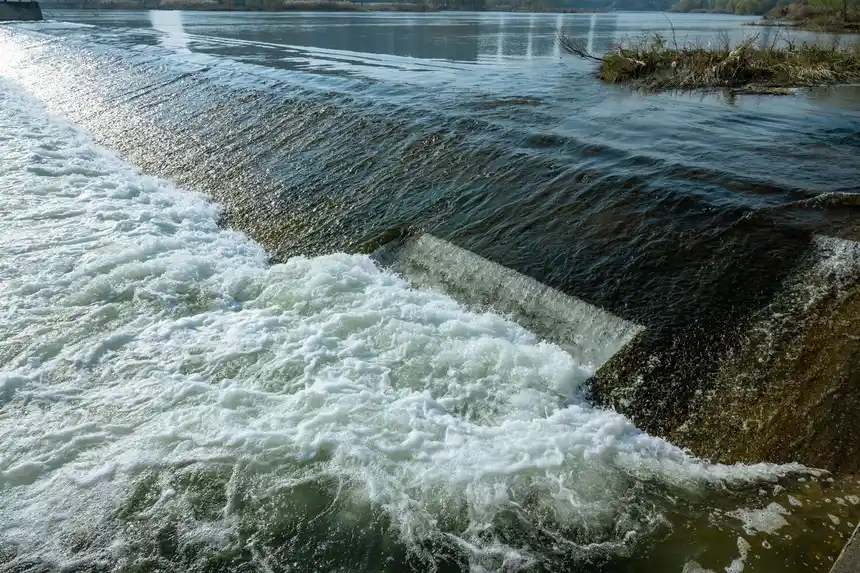
We assess access and water conditions, remove standing water, and inspect visible framing and insulation. We then dry the space as conditions allow and document readings. If pump performance or drainage contributed to the loss, we identify that concern so you can address the cause alongside the restoration. Standing water can soak insulation and framing, while restricted access makes concealed wet areas easy to miss. Damp conditions can persist after the water level falls.
Water travels behind baseboards and beneath flooring after a storm, even when the visible puddle is small. We use moisture readings to check adjoining materials and identify wet areas before they develop into larger repair zones. For example, a 2-foot ceiling stain can lead to a broader insulation and drywall check above it.
We separate wet items from dry contents, prioritize belongings that can be cleaned, and move affected materials away from active water. A water extraction unit removes standing water from carpet and hard surfaces, while controlled airflow helps reduce drying time. You receive a clear account of what was handled and what needs specialist attention.
Storm water damage cleanup kuna Idaho includes equipment placement based on the room and material, not guesswork. We use air movers and a dehumidifier to move moisture out of the structure, then compare readings during follow-up checks. This helps us decide when drywall, flooring, or framing is ready for the next repair stage.
Storm damage can involve both a building opening and interior water damage. We help connect roof leak response, extraction, drying, and interior restoration so the sequence makes sense. If a roof opening remains active, we address water entry before finishing repairs; otherwise, fresh rain can undo completed drying work.
Clear records you can keep and share.
Affected rooms and readings documented.
Equipment checks and progress explained.
Wet materials and next steps identified.
A dry-looking surface does not prove the wall or floor assembly is dry. We check materials and room conditions before recommending that repairs cover the affected area.
A ceiling stain shows where water appeared, not always where it traveled. We inspect accessible cavities and adjoining materials to find hidden wet areas.
Extraction removes standing water, while drying removes moisture held in materials and air. Both steps matter after a storm loss.
Interior repairs will not hold if rain is still entering. We identify active water entry before closing walls or replacing flooring.
Outside these neighborhoods? Call and ask about service for your address. (833) 546-4116
Kuna water damage restoration handles storm water extraction, structural drying, and related interior repairs in Kuna, Idaho. Call (833) 546-4116 to describe the entry point and affected rooms. We inspect visible and concealed moisture, document conditions, and explain what needs immediate attention. If water is near electrical equipment or a ceiling is sagging, keep clear and address the safety risk before entering the area.
Storm damage repair in kuna can range from about $500 for limited extraction and drying to $15,000 or more for multi-room damage and reconstruction. Typical 2026 pricing depends on water volume, affected materials, access, and whether roof or structural repairs are needed. We explain pricing before work proceeds. A small ceiling leak and a flooded lower level require different equipment, labor, and repair scopes.
Insurance may cover sudden storm-related water damage, but coverage depends on your policy, the cause, and exclusions. Photograph the damage, keep receipts for urgent protective work, and contact your insurer promptly. We document affected areas and restoration work to help you discuss the loss. A long-term maintenance issue or surface water event may be treated differently from a sudden opening caused by wind or hail.
Water extraction often takes several hours, while structural drying commonly takes 3 to 5 days; repairs can add days or weeks. The schedule depends on how many rooms and materials are wet, the water source, and whether rebuilding is needed. We check moisture readings during drying rather than relying on a set calendar. For same day storm damage restoration kuna ID, call early to discuss the immediate response.
Water entering through a roof or foundation needs prompt attention before it spreads into more materials. Call Kuna water damage restoration at (833) 546-4116 to discuss the damage and arrange an inspection. Our team serves Kuna, ID and nearby Ada County communities.
Call (833) 546-4116 when water reaches your home or business in Kuna, Idaho. Tell us whether the source is still active, which rooms are affected, and when the damage began; that helps direct the next steps. Calls are accepted at any hour for emergency inquiries, and service coverage includes Kuna, ID, with ZIP codes 83634 and 83642.