Emergencywaterdamagerepair in Meridian Road Corridor

When a pipe bursts or stormwater enters your property, emergencywaterdamagerepair in Meridian Road Corridor starts with stopping the water and protecting what can be saved. We serve the busy commuter corridor, from Meridian Road North to Meridian Road South, including homes and commercial spaces near the Kuna Meridian border. Our crew maps wet materials, removes standing water, and sets a drying plan for your property in Kuna, Idaho.

emergencywaterdamagerepair in Meridian Road Corridor

Serving Meridian Road Corridor

  • Readings RecordedMoisture checks guide drying decisions
  • Work Area ProtectedContents moved away from wet surfaces
  • Steps ExplainedYou hear what happens next
  • Equipment CheckedAirflow placement reviewed during work

emergencywaterdamagerepair in Meridian Road Corridor

emergencywaterdamagerepair in Meridian Road Corridor is an urgent restoration service that removes unwanted water, dries affected building materials, and limits further property damage after a leak or flood. We work along Meridian Road, where a commercial and residential mix creates different access needs: a home may need carpet extraction while a shop needs a safe work zone around customers and stock. Our service covers Meridian Road North and Meridian Road South, with response coordinated from Kuna in Ada County. For water damage restoration Meridian Road Corridor ID property owners need, we inspect the source, document visible conditions, and measure moisture before setting equipment. Meridian Road Corridor emergencywaterdamagerepair also includes removing wet padding, checking drywall and trim, and explaining what must dry before repairs begin. We use the affected rooms and materials to determine the work sequence, not a generic equipment count. If you have a burst pipe, roof leak, or water entering at floor level, call us and tell us what is wet, when it started, and whether the water is still running. That helps us prepare extraction and drying equipment before arrival.

Meridian Road Corridor connects Kuna neighborhoods with a busy commuter corridor, so a water loss can affect a residence, a storefront, or an occupied work area. Newer development brings a range of layouts and finishes, including attached garages, finished lower levels, carpet, and hardwood flooring. Our crew plans arrival around the exact address and safe equipment access rather than assuming every property has the same entry. Stormwater runoff and winter freezes are practical concerns here: runoff can collect against a foundation, while an exposed or poorly insulated line can freeze during cold snaps. We serve the corridor because a quick, measured response helps you move from active water to a documented drying plan without guesswork.

Emergency Water Damage Services in Meridian Road Corridor

In Meridian Road Corridor, a small supply-line leak can wet a kitchen floor, while a failed sump pump can leave standing water in a lower level. We identify the water source, extract what is accessible, and check adjacent rooms before setting drying equipment. If you are searching for emergencywaterdamagerepair in Meridian Road Corridor ID near me, call with your address, water type, and whether power is safe to use. We serve residential and commercial properties across the corridor and tailor the work area to how your building is occupied.

How Corridor Water Restoration Works

Emergency Restoration in Meridian Road Corridor

Emergency Restoration in Meridian Road Corridor

We identify the water source and protect the route through your Meridian Road Corridor property before extracting standing water. Our crew checks nearby rooms and flooring edges, then records moisture readings to set the drying plan. We explain the affected materials and next inspection point before equipment is placed.

  • Source and safety check
  • Room-by-room moisture map
  • Clear equipment access
For Corridor Homes

For Corridor Homes

Homes along Meridian Road may have finished living areas, utility rooms, and attached garages with different drying needs. We check the affected room and neighboring surfaces before choosing equipment or repair steps.

  • Finished lower levels
  • Kitchen and laundry leaks
  • Hardwood and carpet floors
  • Crawl space water entry
For Corridor Businesses

For Corridor Businesses

Meridian Road Corridor businesses need a safe route for staff and customers while water is removed. We coordinate equipment placement around entrances, shared parking, and the specific affected work area.

  • Customer-facing storefronts
  • Small commercial units
  • Shared-entry properties
  • Stock and document areas

Common Water Damage Problems Along Meridian Road

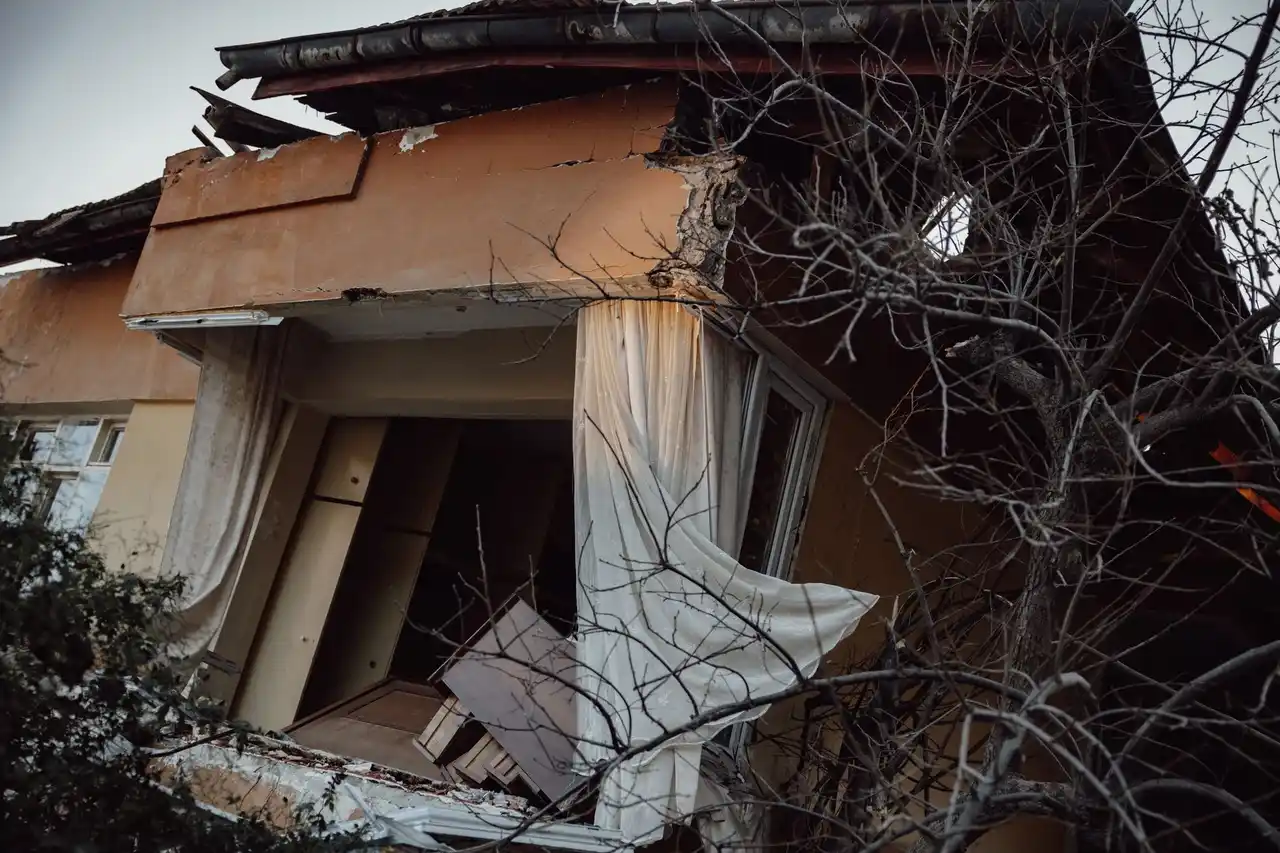
Meridian Road Corridor properties face a mix of plumbing, roof, and drainage losses rather than one single pattern. Cold winter nights can expose vulnerable pipes to freezing, while spring rain and stormwater runoff can test foundation drainage. Newer development does not eliminate leaks: supply connections, appliances, roof details, and sump systems still require inspection after a loss. Meridian Road Corridor water damage cleanup begins by confirming whether water is clean, storm-related, or contaminated, then tracing how far it traveled. We check adjacent surfaces before deciding what to dry or remove.

  • Frozen or burst pipes wetting finished walls and flooring

    Frozen or burst pipes wetting finished walls and flooring

    Cold snaps can freeze pipes in exposed or poorly protected spaces. When ice blocks flow and pressure builds, a line can split and release water as it thaws. The water may run behind cabinets or through ceilings before a homeowner sees the first stain. We prioritize stopping the water, extracting pooled water, and mapping wet areas beyond the visible leak. We inspect nearby drywall and insulation, then place drying equipment according to measured conditions. We document affected materials before repairs conceal the area.

  • Stormwater runoff entering lower rooms or crawl spaces

    Stormwater runoff entering lower rooms or crawl spaces

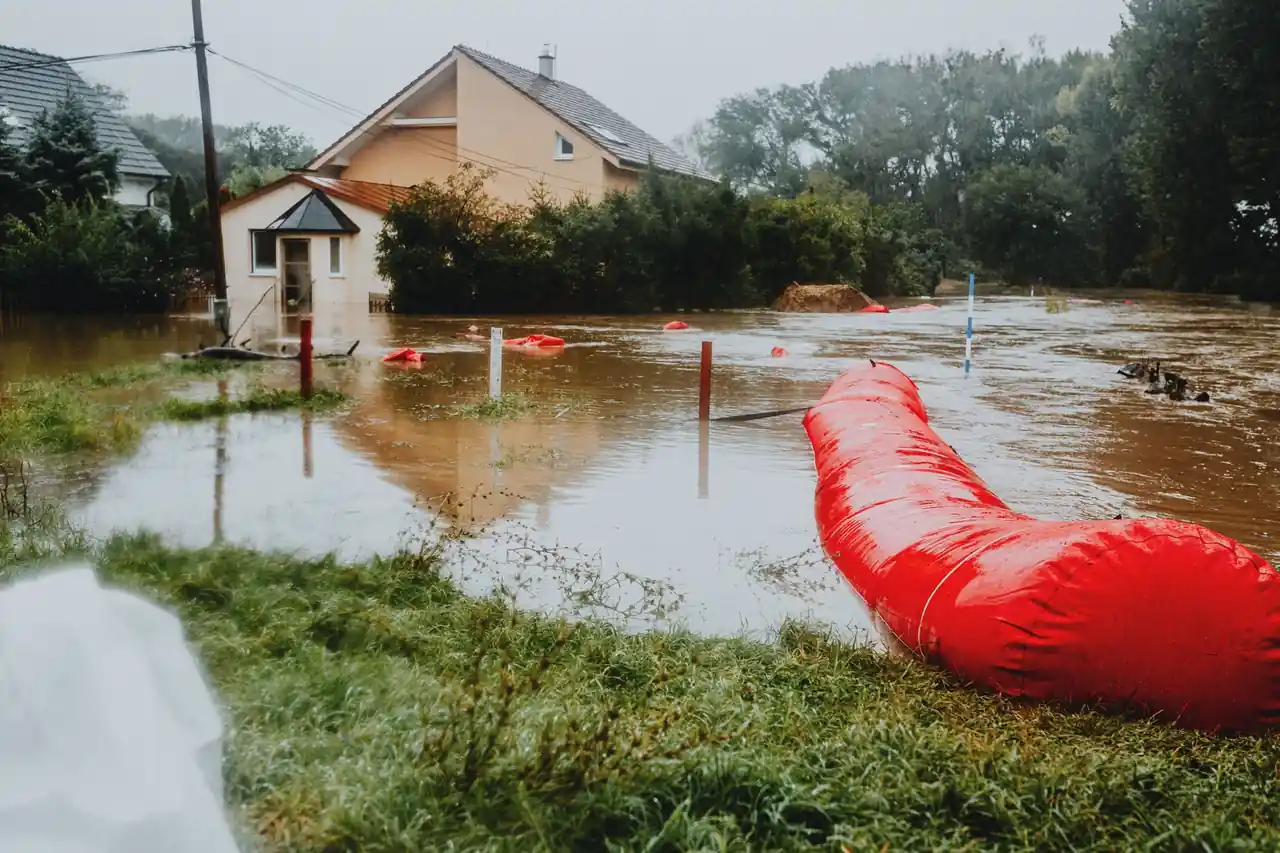
    Runoff can collect near a foundation when water is not carried away from the building. A sump pump failure or drainage restriction can add to the problem, allowing water to reach a lower-level floor or crawl space during wet weather. We remove standing water, check the floor perimeter and lower walls, and inspect the sump system where accessible. Once extraction is complete, we measure remaining moisture and explain whether drying, material removal, or a drainage review is needed.

  • Roof leaks leaving ceiling stains after wind-driven rain

    Roof leaks leaving ceiling stains after wind-driven rain

    Wind and rain can expose a weak roof detail or damaged flashing, allowing water into the ceiling cavity. The first sign may be a stain that appears after the weather clears, while insulation and framing above remain damp. We protect the room, inspect the ceiling and nearby walls, and trace the likely water path. We control interior moisture and document what needs drying before finish repairs. Active roof openings require safe source protection before ceiling work proceeds.

  • Appliance or supply leaks spreading beneath hard flooring

    Appliance or supply leaks spreading beneath hard flooring

    A failed hose or connection can release water at a dishwasher, washing machine, or sink. Water travels along flooring seams and beneath cabinets, making the visible wet area an unreliable measure of the damage. We extract accessible water, check cabinet edges and floor transitions, and use moisture readings to find concealed wet areas. We discuss hardwood or laminate drying based on the material and measured condition, then recheck during the drying process.

When to Call for Water Damage Repair

Call when water spreads, ceilings sag, floors soften, or a sump pump stops during water entry.

  • Water keeps spreading after shutoff

    Water appearing after you have closed a fixture or valve may signal a damaged line, hidden leak, or continuing backup. Shut off the nearest safe supply if you can, move people away from the wet area, and call for extraction. A few minutes of uncontrolled flow can push water beneath flooring and into lower wall materials.

  • Ceiling stain grows or begins to sag

    A spreading stain often means water is still reaching the ceiling cavity from a roof or plumbing source. A soft or sagging section can fail under added weight. Keep people and belongings clear, avoid puncturing the ceiling, and arrange an inspection that checks the space above and nearby wall surfaces.

  • Carpet feels wet beyond the spill

    Water can move through carpet into carpet padding and across a subfloor, even when the visible spill is small. Blotting the surface does not remove trapped moisture. Extraction and moisture checks help determine whether the pad can be dried or needs removal before odor or mold growth develops.

  • Musty odor follows a plumbing leak

    A persistent damp smell can mean moisture remains behind a baseboard, under flooring, or in insulation. The odor source should be located rather than covered with fragrance. We inspect the affected rooms, measure materials, and address the wet source before cleaning or air treatment.

  • Sump pump stops during water entry

    A failed pump can allow water to collect rapidly in a basement or crawl space. Do not enter deep water if electrical equipment is present. Call for safe water removal and pump inspection; once the water is controlled, the floor perimeter and lower walls need moisture checks.

How Meridian Road Corridor Restoration Works

Meridian Road Corridor emergencywaterdamagerepair starts with safe access, a source check, and a room-by-room moisture map. The corridor's commuter traffic and commercial and residential mix can affect unloading, so we confirm the property entrance and keep hoses and cords out of walkways. After extraction, our crew checks drywall, baseboards, flooring edges, and adjacent rooms. For emergency water extraction near Meridian Road Corridor ID, we bring equipment sized to the standing water and floor area, then track drying readings rather than relying on a fixed run time. We follow ANSI/IICRC S500 principles for water restoration and use IICRC WRT-trained practices where applicable. Cold snaps can freeze exposed plumbing; wet-season stormwater runoff can test drainage around foundations. We explain what we find and document progress before moving from drying to repair. If sewage is involved, we isolate the area and use appropriate cleaning controls. Your technician will also note power hazards, access limits, and any materials that should not be disturbed until inspected.

  • Commuter traffic complicates safe equipment unloading near Meridian Road.

    A narrow or busy frontage can make it difficult to unload extraction equipment without obstructing customers, residents, or passing traffic. Delayed access also matters while water is actively spreading into nearby rooms. We confirm the correct entrance and practical unloading point before arrival. Our crew stages hoses and equipment within the property boundary where possible, keeps exits clear, and works in sequence so extraction starts without blocking normal access.

  • Stormwater runoff can collect beside foundations during wet weather.

    Water against a foundation can enter lower-level spaces or crawl areas, especially where grading or drainage is not carrying runoff away. The visible puddle may be smaller than the damp area behind stored items or along a wall edge. We remove accessible water, inspect the perimeter, and take moisture readings at lower walls and flooring. We identify whether the source appears to be runoff, a plumbing leak, or a failed sump system, then explain immediate drying and longer-term drainage options.

  • Cold snaps can freeze vulnerable plumbing in exposed locations.

    A frozen pipe can split and release water after temperatures rise, wetting cabinets, insulation, drywall, or ceilings. Water may continue flowing until the supply is shut off, so the first priority is stopping the leak and protecting electrical safety. We help you identify the affected supply and coordinate water shutoff, then extract water and map damp materials. After the source is controlled, we check adjoining surfaces and set drying equipment. We do not conceal wet material behind a repair before readings support it.

  • ANSI/IICRC S500 Standard for Professional Water Damage Restoration

    ANSI/IICRC S500 provides recognized procedures for assessing water damage, extracting water, drying materials, and documenting the work. We use its principles to guide the restoration sequence and explain why equipment placement and repeated moisture checks matter.

  • Idaho contractor license and applicable local building requirements

    Restoration and reconstruction activities can involve different licensing and permit requirements. We keep emergency mitigation focused on water removal and drying, and coordinate repair work according to applicable Idaho contractor licensing and local building requirements.

Meridian Road Corridor Navigation

Meridian Road is the primary orientation route for locating properties in this service area. The Kuna Meridian border is another useful reference when an address falls close to the edge of the corridor. Because business entrances may sit behind a frontage or beside shared parking, tell us the suite, entrance, and nearest cross-street when calling. We use the street address for routing and do not rely on a landmark alone to identify a property.

  • Meridian Road

    Meridian Road is the central roadway named in this service area and provides a practical route reference. A full street address and nearest cross-street remain necessary to locate an individual home or business.

  • Kuna Meridian border

    The boundary is a useful orientation cue for callers describing properties near the edge of the corridor. Providing the exact address prevents confusion between nearby routes and helps the crew reach the correct entrance.

  • Meridian Road North

    Meridian Road North is a location label used to distinguish the northern portion of this corridor. Pairing it with a street number or business entrance gives a more precise destination for navigation.

  • Meridian Road business frontage

    The corridor includes commercial properties alongside residential uses. Storefronts and service spaces can have customer entrances, shared parking, or separate delivery access, so the exact site entrance is useful for navigation.

  • Meridian Road South commercial-residential stretch

    This portion reflects the stated commercial and residential mix of the corridor. Property types and access arrangements vary by address; a suite number or on-site contact helps identify the right entry.

  • Meridian Road

    Meridian Road is the main route reference for reaching the corridor. We use the customer's complete address and cross-street to plan the final approach and avoid relying on a general area label.

  • Kuna Meridian border

    The border is an orientation reference rather than a transportation station. Callers near it should provide the exact street address so the crew reaches the correct side and property entrance.

Meridian Road Corridor Areas We Serve

Our coverage follows the Meridian Road Corridor through Meridian Road North and Meridian Road South, including residential streets and nearby business properties. Because addresses can sit close to the Kuna Meridian border, giving us the building name, entrance, and nearest cross-street helps us locate you accurately. The ZIP code 83634 is part of this service area; we confirm the exact address when you call.

  • Meridian Road North
  • Meridian Road South
  • Kuna Meridian border
  • Meridian Road business frontage

Meridian Road Corridor Job Examples

  • Meridian Road North

    Before

    A supply line leaked overnight in a Meridian Road North home, soaking kitchen flooring and wetting the lower edge of adjacent drywall.

    After

    We helped stop the water, extracted the pooled water, and checked the kitchen and adjoining room for moisture migration. We used direct readings to mark the affected flooring and wall area, then placed drying equipment to move air across the wet surfaces while keeping the route through the home clear. The example work plan began with extraction and a documented moisture map, followed by daily readings until materials met the selected drying targets. The repair boundary was based on measured conditions, not the visible stain alone.

  • Meridian Road South

    Before

    Stormwater entered a lower-level utility room near Meridian Road South after runoff collected beside the foundation during wet weather.

    After

    We removed standing water, checked the lower wall and floor perimeter, and inspected the sump equipment. After identifying the affected materials, we used controlled drying and documented readings. We also explained drainage observations separately from the immediate cleanup so the owner could distinguish mitigation from future prevention work. The illustrative response separated water removal from drainage recommendations, recorded readings in three affected zones, and checked the utility room again during drying before closing the mitigation phase.

  • Kuna Meridian border

    Before

    A small commercial unit near the Kuna Meridian border developed ceiling water stains after a roof leak during a storm.

    After

    We protected the area below the stain, traced the wet path, and extracted water from affected materials where accessible. We documented the ceiling and nearby wall conditions, then arranged drying while maintaining a clear customer route. The source was addressed before finish repairs were planned. The work sequence contained the affected area, tracked moisture in two adjoining surfaces, and kept the entrance route usable during scheduled drying checks. Repair planning followed source control and recorded conditions.

Meridian Road Corridor Customer Feedback

4.8

  • A pipe leak left water across our kitchen floor near Meridian Road North. The crew extracted it, checked the adjoining room, and explained why the baseboards needed another moisture check. They kept the walkway open and showed us the readings before setting the drying equipment. We appreciated having a clear sequence instead of being told to wait and see.
    Megan R.Meridian Road North
  • Water came into our lower utility area after heavy runoff. The team removed the standing water and checked the sump setup and wall edges. They separated the immediate cleanup from the longer-term drainage discussion, which helped us understand what had to happen that day and what was a separate property improvement.
    David L.Meridian Road South
  • A roof leak caused a ceiling stain in our small business near the Kuna Meridian border. The crew protected the floor, checked the ceiling and nearby wall, and worked around our entrance. They documented the affected area and told us what readings they would recheck before repairs. The visit was practical and easy to follow.
    Alina P.Kuna Meridian border

Seasonal Water Damage Risks in Meridian Road Corridor

  • Spring

    Rain and seasonal runoff can collect around foundations and enter basements or crawl spaces. Sump pump failure can turn a modest water intrusion into standing water, while damp lower walls may stay hidden behind stored items. Check the sump pump before wet weather, keep its discharge route clear, and move stored belongings away from foundation walls. If water appears, photograph the area and call before moving contaminated items.

  • Summer

    Summer storms can bring wind-driven rain and roof leaks, while appliance lines continue to be a year-round source of indoor water. A ceiling stain after a storm needs an inspection even if dripping has stopped. After a storm, check ceilings and upper walls for new stains and keep the area below a leak clear. Do not cover a wet spot with paint; identify the source and dry affected materials first.

  • Fall

    Leaves and debris can restrict gutters and downspouts, directing runoff toward exterior walls. Cooler temperatures also make it a practical time to notice vulnerable plumbing before the first hard freeze. Clear gutters and confirm downspouts discharge away from the foundation. Check exposed pipes and know where the main water shutoff is before winter weather arrives.

  • Winter

    Freezing conditions can split exposed plumbing, with water often becoming visible after thawing. A burst pipe can wet cabinets, drywall, insulation, and flooring quickly, especially when the leak occurs overnight or in an unoccupied space. Keep vulnerable areas warm, open cabinet doors around plumbing during severe cold, and locate the shutoff valve. If a pipe bursts, stop the supply if safe and call for extraction and drying.

Questions to Ask a Water Damage Contractor

A good Meridian Road Corridor restoration contractor should explain what is wet, what equipment will do, and how progress will be measured. Ask about the water source, material removal, safety controls, and documentation before work begins. A clear answer should name the affected rooms and the next check, not rely on a general promise. If your building is occupied, ask how the crew will keep exits, customer paths, and essential rooms usable during extraction and drying.

  • How will you find water behind the wall or under the floor?

    The answer should describe inspection and moisture measurement, not just a visual walk-through. Ask whether the technician will check adjacent rooms and flooring edges. A clear map helps prevent both missed wet material and unnecessary demolition.

  • What equipment will you use, and where will it go?

    The contractor should connect equipment to the affected materials and room layout. Air movers and dehumidifiers need appropriate placement and clear walking routes. You should understand what will run, what it treats, and when readings will be checked again.

  • How do you handle sewage or stormwater contamination?

    Contaminated water requires different work-area controls and cleaning steps from a clean supply leak. A direct answer should cover isolation, removal of affected porous materials when needed, and appropriate antimicrobial cleaning rather than treating every loss alike.

  • What readings will you document during drying?

    Recorded moisture readings provide a way to track whether materials are drying over time. Ask which surfaces will be checked and how often progress is reviewed. That detail helps you understand why equipment remains in place or when the drying phase is complete.

  • Can you work around our customers or household schedule?

    Meridian Road Corridor includes occupied homes and businesses, so access matters. A capable crew should discuss entry, unloading, safe cords and hoses, and how it will keep a usable path. That plan reduces disruption without skipping necessary extraction or inspection.

FAQs About emergencywaterdamagerepair in Meridian Road Corridor

Still wondering? (833) 546-4116

Local service team

Call for emergencywaterdamagerepair in Meridian Road Corridor

If water is spreading through your Meridian Road Corridor property, call Kuna water damage restoration at (833) 546-4116. Tell us what failed, which rooms are wet, and whether the water is clean or contaminated. We will help you take the next safe step, arrange an assessment, and explain extraction and drying. Our local service covers Meridian Road North, Meridian Road South, and nearby properties in Ada County.

Contact the Kuna Team

Call (833) 546-4116 when water reaches your home or business in Kuna, Idaho. Tell us whether the source is still active, which rooms are affected, and when the damage began; that helps direct the next steps. Calls are accepted at any hour for emergency inquiries, and service coverage includes Kuna, ID, with ZIP codes 83634 and 83642.

Thanks. Your request is in and the team will follow up shortly.