Emergencywaterdamagerepair in Wolf Creek, Idaho

When water reaches your floors, emergencywaterdamagerepair in Wolf Creek starts with stopping the source and removing standing water. Our Kuna water damage restoration crew serves Wolf Creek North, Wolf Creek South, and nearby homes in ZIP code 83634. Wolf Creek emergencywaterdamagerepair includes inspection, extraction, and a drying plan suited to your building and the water involved. Call us at (833) 546-4116 and tell us what happened.

emergencywaterdamagerepair in Wolf Creek

Serving Wolf Creek and Kuna

  • Readings RecordedMoisture checks guide drying decisions
  • Work Area ProtectedContents moved away from wet surfaces
  • Steps ExplainedYou hear what happens next
  • Equipment CheckedAirflow placement reviewed during work

emergencywaterdamagerepair in Wolf Creek: Local Response

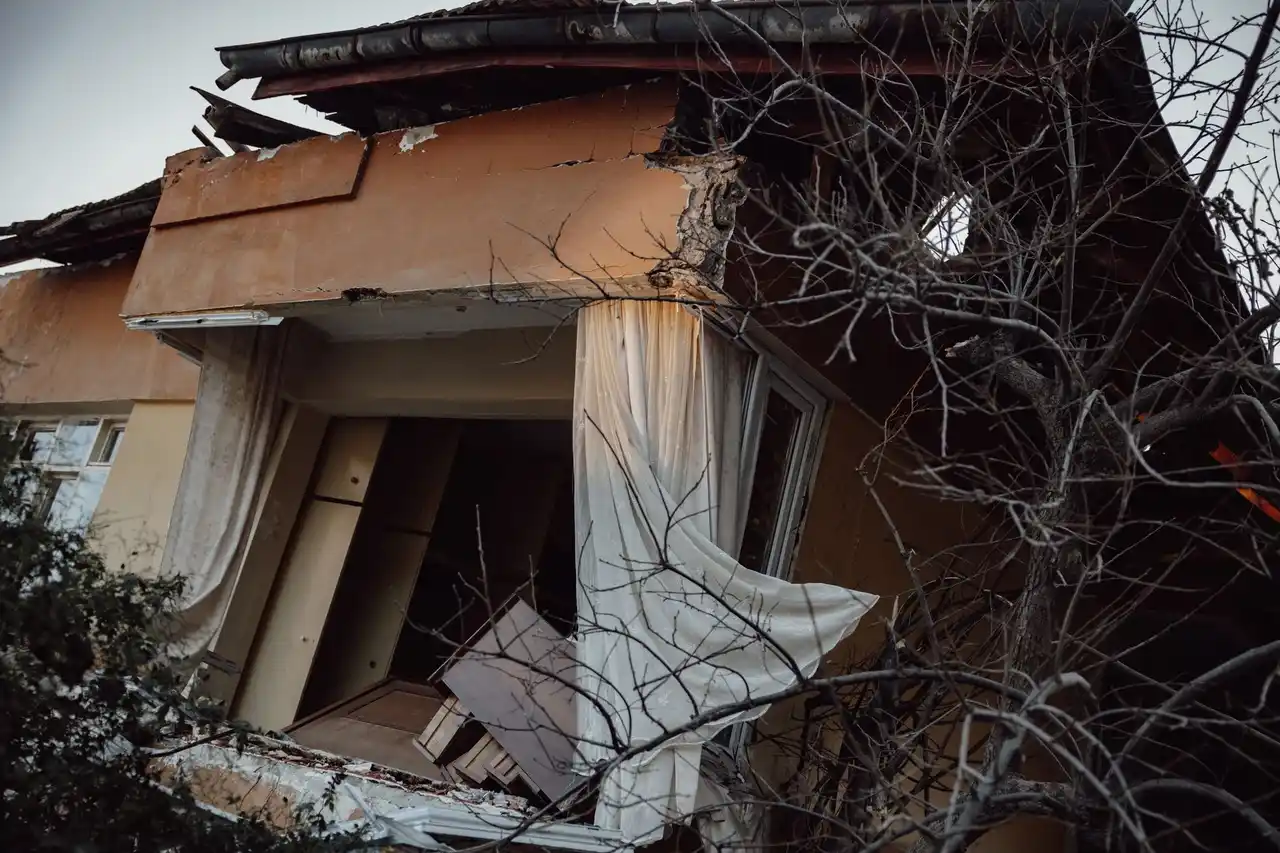
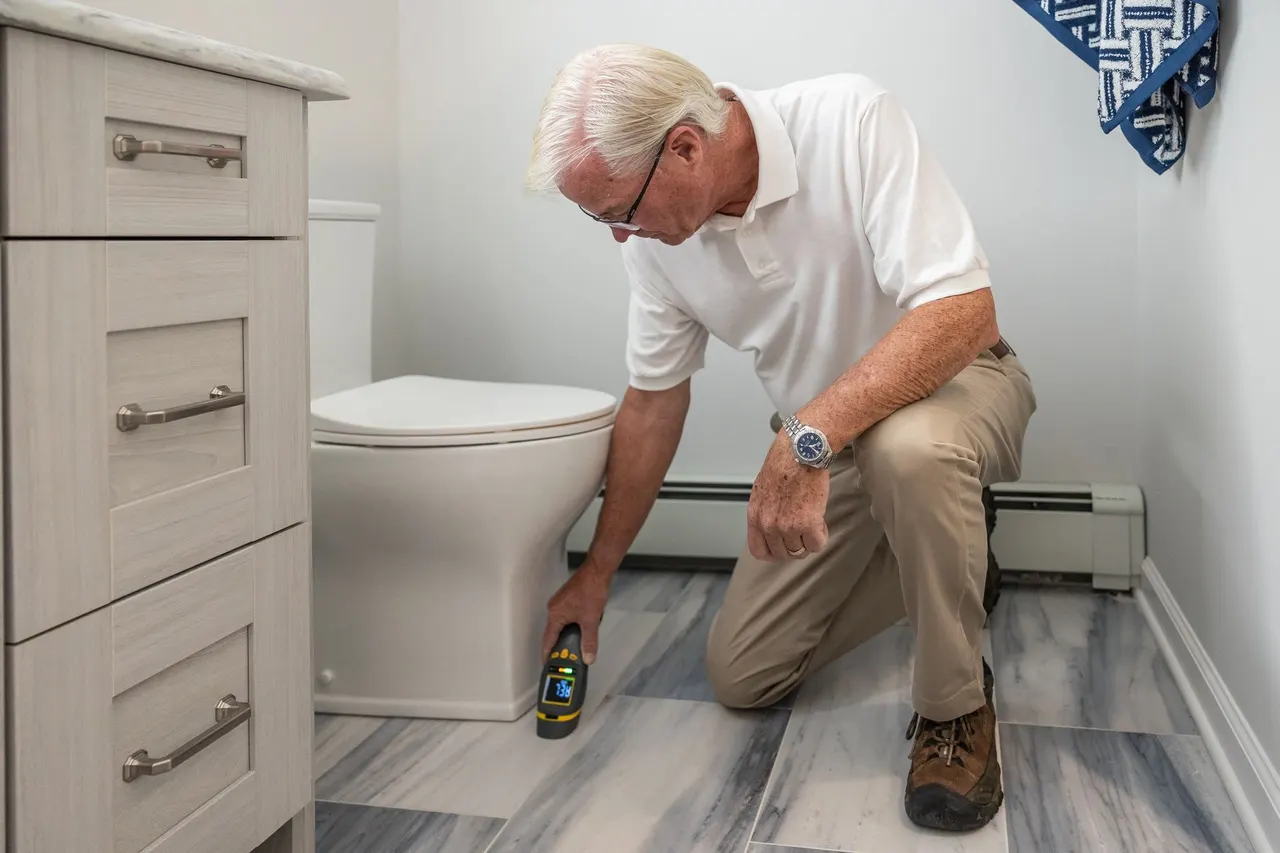
emergencywaterdamagerepair in Wolf Creek is a water cleanup and structural drying service that removes unwanted water and limits damage after a leak, flood, or plumbing failure. Wolf Creek's rural-adjacent properties, well water systems, and septic concerns call for careful identification of the water source before cleanup begins. We inspect affected rooms, identify wet materials, and separate clean-water losses from contaminated water events. That distinction changes the protective equipment, disposal, and cleaning steps required. Our service area includes Wolf Creek North and Wolf Creek South, with access to properties around Wolf Creek Park and the Wolf Creek trail used as local orientation points. A moisture meter helps check drywall and baseboards; readings guide where we open, dry, and recheck rather than relying on surface appearance. We also document visible damage for your records and coordinate the restoration sequence with you. If water is still entering, we focus first on immediate control and extraction, then protect nearby unaffected areas. The result is a clear work plan based on what is wet, how far it spread, and what must be dried or removed.

Wolf Creek needs a nearby response option because water emergencies do not follow business hours. A burst pipe discovered before dawn, a roof leak after a winter storm, or a sump pump failure while a homeowner is away can move water into finishes quickly. Wolf Creek's creek overflow risk and rural-adjacent properties also make source identification important: a wet crawl space, well water line, and septic-related backup are different problems with different safety steps. We serve this area from Kuna and keep the conversation practical. Tell us where water appeared, whether it is still flowing, and whether power is affected. We use those details to prepare for the right extraction and inspection equipment, then explain the next steps at the property.
Water Damage Services in Wolf Creek

Water damage in Wolf Creek ranges from a small appliance leak to water spread across a basement or crawl space. We ask whether the source is a supply line, roof opening, storm runoff, or wastewater before choosing equipment and protection. For emergencywaterdamagerepair in Wolf Creek ID near me, our process begins with a safety check, water removal, and a moisture map of affected rooms. We then set drying equipment and return to measure progress. Call (833) 546-4116 for service details and tell us whether the water is clean, muddy, or from a drain.

Water restoration services in Wolf Creek

Emergency restoration in Wolf Creek

Emergency restoration in Wolf Creek

We identify the source, remove standing water, and check adjoining rooms before setting a drying plan. Wolf Creek homes with well or septic systems receive source-specific questions before cleanup. We record affected materials and return to check moisture readings.

  • Source and safety check
  • Measured drying plan
  • Documented follow-up
Wolf Creek Home Restoration

Wolf Creek Home Restoration

We handle water losses in Wolf Creek homes by checking the source and affected materials before drying. Your floor plan, access, and water type guide the work.

  • Basements and crawl spaces
  • Rural-adjacent homes
  • Well-system properties
  • Carpet and hardwood rooms
Wolf Creek Property Cleanup

Wolf Creek Property Cleanup

We organize water cleanup around safe access and the areas your property needs returned to use. We document affected rooms and coordinate equipment placement with you.

  • Small offices and shops
  • Rental properties
  • Storage and utility rooms
  • Community service spaces

Common Wolf Creek Water Damage Problems

Wolf Creek homes face the same plumbing and weather failures found across Kuna, with additional attention needed for rural-adjacent lots, well water systems, and septic concerns. In November, freezing conditions become a practical concern for exposed pipes and unheated spaces; spring rain can also test foundation drainage. The exact cause depends on the property, not its neighborhood label. Wolf Creek water damage cleanup starts with source identification, then a check of the structure and affected materials. We avoid assuming that every damp basement is groundwater or that every ceiling stain is a roof leak.

  • Frozen or burst pipes in unheated rooms and crawl spaces

    Frozen or burst pipes in unheated rooms and crawl spaces

    Cold winter nights can freeze water in exposed or poorly insulated plumbing, especially in garages, crawl spaces, and rooms kept at low temperatures. A split may release water when the pipe thaws, reaching walls or flooring before anyone sees it. The cause must be controlled promptly. We locate the wet area, extract standing water, and check nearby wall cavities and floor edges. We document moisture readings and coordinate with plumbing work to ensure the leak is stopped. Drying equipment is set according to the affected materials, then checked as readings change.

  • Foundation seepage after extended rain or drainage problems

    Foundation seepage after extended rain or drainage problems

    Rainwater can collect near a foundation when surface drainage or downspout discharge is inadequate. In a Wolf Creek home, water may appear at a lower wall joint or basement floor edge. The visible damp patch does not by itself identify whether the source is seepage, a plumbing leak, or another issue. We inspect the entry pattern and compare moisture across the affected area before recommending cleanup steps. We remove standing water, dry affected materials, and document the source indicators. If drainage work is needed, we discuss options such as a french drain pipe only after assessing the site and discharge route.

  • Sump pump failure leaves water in a lower level

    Sump pump failure leaves water in a lower level

    A pump can fail because of power interruption, a stuck float, a blocked discharge, or equipment wear. During rain or rising groundwater, a Wolf Creek basement or crawl space can take on water before the failure is noticed. Water depth and electrical conditions determine whether entry is safe. We check safe access, remove standing water, and inspect the affected floor, wall bases, and contents. We assess the sump area and document moisture before drying begins. Pump repair or replacement is considered alongside the cleanup, so restored pumping does not leave damp materials untreated.

  • Roof leak creates ceiling stains and hidden wet insulation

    Roof leak creates ceiling stains and hidden wet insulation

    Wind-driven rain, damaged roof materials, or a failed roof detail can let water travel along framing before it appears indoors. In Wolf Creek, a ceiling stain may show up well away from the entry point. Wet insulation can retain moisture even after the visible drip stops. We protect the room and trace the affected area, then confirm that active roof entry is controlled. We inspect the ceiling cavity where needed, remove unsalvageable wet material, and dry surrounding assemblies. Readings and photographs help define the repair area and reduce the chance of closing in damp material.

When to Call for Water Damage Help

Call when water is spreading, a ceiling sags, flooring lifts, or a pump stops.

  • Water continues spreading after a leak

    A running leak can move behind cabinets, under flooring, or through a ceiling cavity within minutes. Shut off the nearest safe valve if you can reach it without entering standing water, then call. Ongoing water entry needs immediate source control and extraction before the affected boundary grows.

  • Ceiling stains grow or begin to sag

    A spreading ceiling stain suggests moisture is accumulating above the finish, and a sagging section can become a falling hazard. Keep people out from underneath it. We inspect the source, check the cavity, and remove trapped water safely before repairing the ceiling.

  • Flooring feels soft or starts to lift

    Soft carpet padding, cupped hardwood, or lifted floor edges often mean water has traveled beneath the visible surface. The assembly needs moisture checks, not just a fan aimed at the room. Call promptly so we can determine whether extraction or targeted drying is required.

  • Musty odor remains after visible cleanup

    A persistent odor can point to damp carpet padding, insulation, or another hidden material. If the leak was more than 24 hours ago, mention that when you call. We trace the moisture source and inspect concealed areas before choosing cleaning or removal steps.

  • Sump pump stops during heavy rain

    A failed pump can allow water to rise in a basement or crawl space and damage stored belongings, wall bases, and insulation. Avoid entering deep water where electrical hazards may exist. We remove standing water, inspect materials, and assess the pump area and discharge route.

How Wolf Creek Restoration Work Proceeds

For Wolf Creek emergencywaterdamagerepair, the first visit is organized around source control, safe access, and a moisture map. We ask about road and driveway access, whether a well or septic system is nearby, and where water first appeared. Idaho winters can bring freezing conditions; as temperatures fall in November, exposed plumbing and unheated spaces deserve attention. We check the affected structure before placing drying equipment, and we keep pathways clear for household access. Our technicians use readings to guide equipment placement and follow-up checks rather than relying on a fixed number of machines. Work is documented so you can track what was wet, what was removed, and what remains to dry. For emergency water extraction near Wolf Creek ID, tell us if water is still entering, if electricity is affected, and whether the water came from a drain. These details help us prepare the right protective gear and extraction approach. We follow applicable safety requirements and use recognized restoration procedures, including ANSI/IICRC S500 guidance where relevant. We coordinate access with you and explain any drying equipment left operating in the home.

  • Creek overflow risk calls for clear source identification before cleanup.

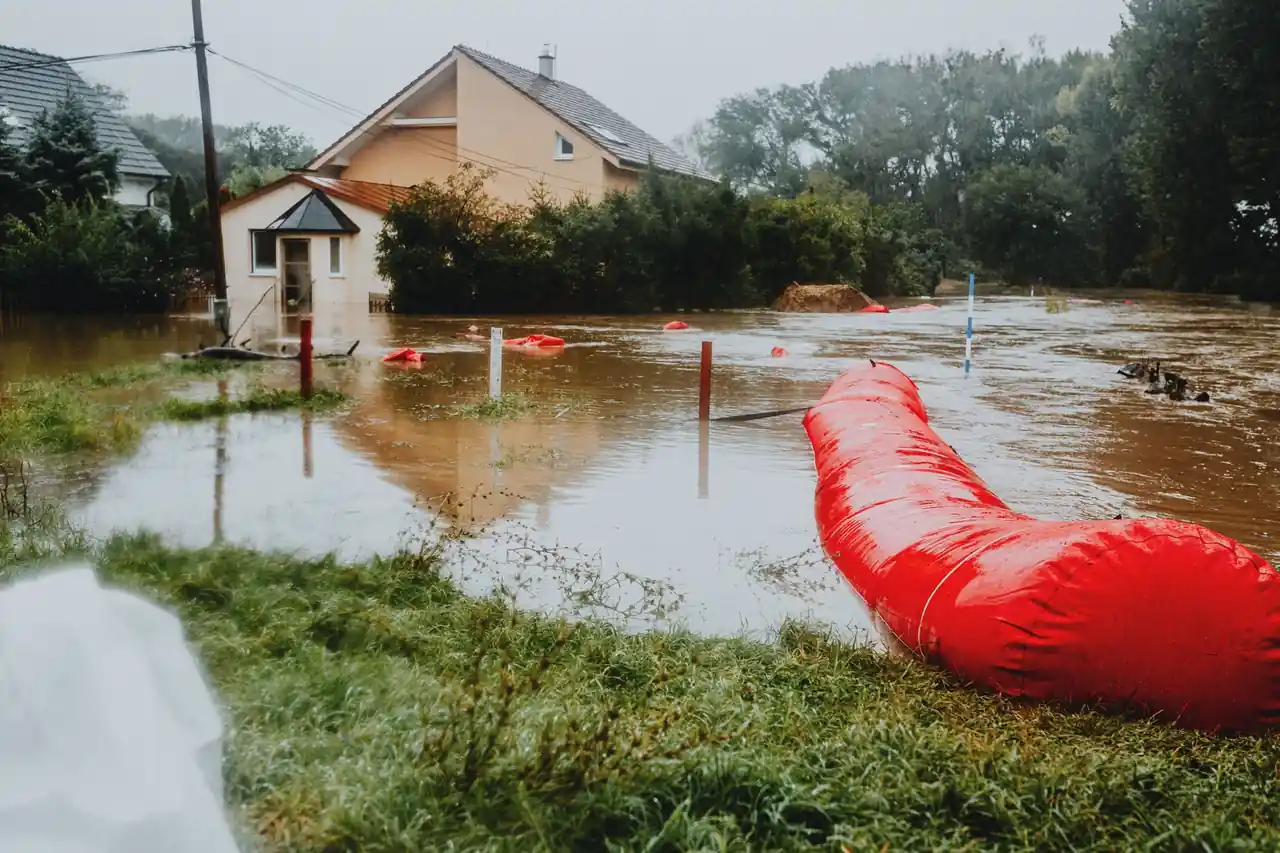
    Water reaching a Wolf Creek property from runoff may carry sediment or contaminants, unlike a clean supply-line leak. That difference affects protective equipment, what can be salvaged, and how surfaces should be cleaned. We do not classify water by appearance alone. We ask where the water entered and inspect the affected area before extraction. Our team separates potentially contaminated materials, protects unaffected rooms, and chooses cleaning methods based on the source. If water is still rising, we prioritize safe access and removal while documenting conditions.

  • Rural-adjacent access and well water systems need site-specific coordination.

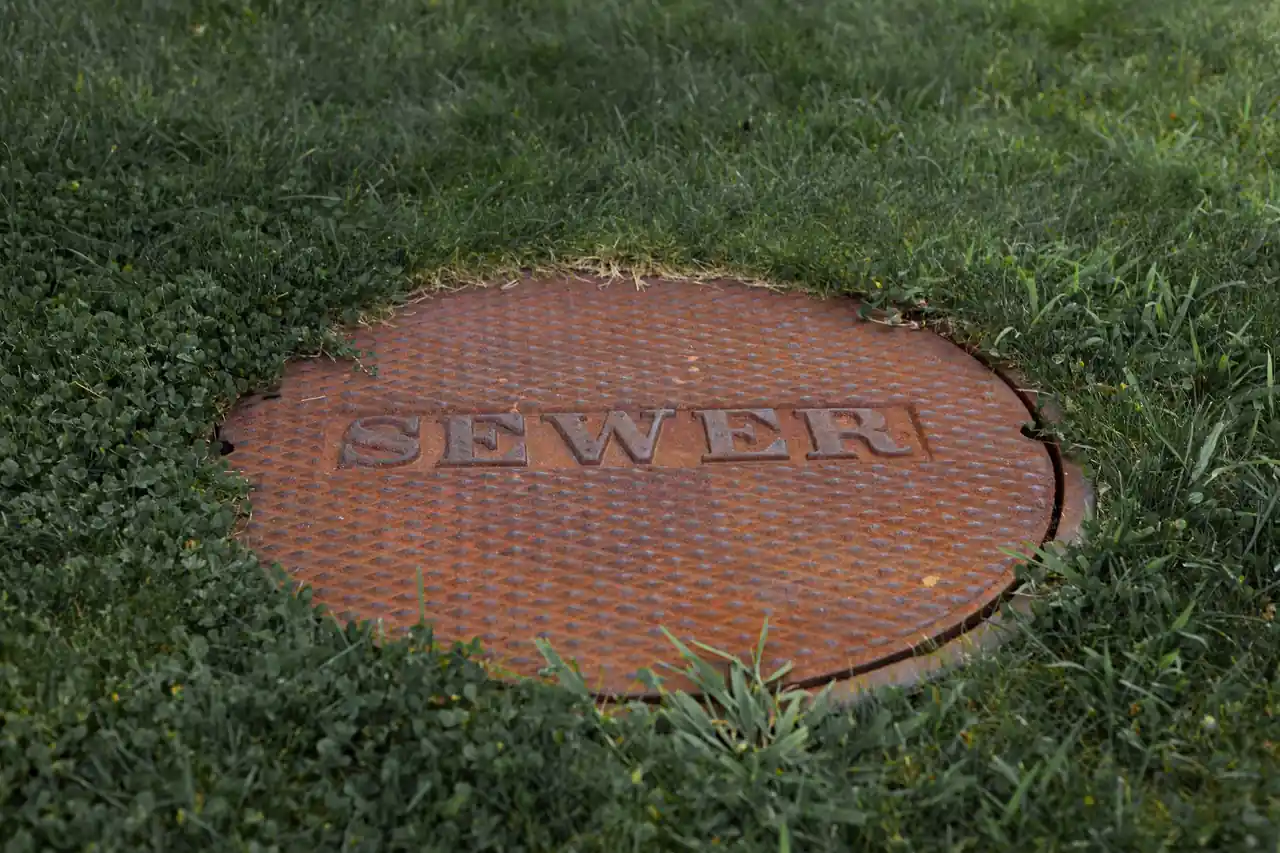
    Some Wolf Creek properties have longer driveways, outbuildings, private water equipment, or septic components near the work area. Equipment placement and waste handling need to avoid blocking access or disturbing systems. A simple room-only inspection can miss these practical constraints. We confirm the address, access instructions, and relevant well or septic locations during the call. On arrival, we identify safe staging and routes before carrying equipment inside. We keep extraction and drying work focused on the affected structure and communicate any access changes with you.

  • Freezing weather can worsen a small supply-line leak quickly.

    Cold snaps can freeze vulnerable plumbing in garages, crawl spaces, or poorly heated areas. When a pipe thaws or splits, water may travel behind drywall and under flooring before a visible puddle appears. Delay increases the chance that multiple materials will need drying. We locate the wet boundary, extract standing water, and inspect nearby cavities and flooring. We use moisture readings to track drying and advise you to keep the affected area accessible. The plumbing source must be controlled before restoration can hold; we coordinate that sequence with you.

  • ANSI/IICRC S500 Standard for Professional Water Damage Restoration

    This standard provides procedural guidance for water damage assessment, extraction, drying, and documentation. For a Wolf Creek loss, we use its principles to classify conditions, set a drying approach, and record progress, while applying the requirements that fit the actual building and water category.

  • EPA Lead-Safe Renovation, Repair and Painting Rule

    If repair work disturbs painted surfaces in a pre-1978 home, lead-safe requirements may apply. We identify the repair conditions before disturbing material and use appropriate lead-safe practices or coordinate qualified work where required. Water extraction and restoration planning should not create avoidable dust exposure.

Wolf Creek Landmarks and Navigation

We use Wolf Creek Park and the Wolf Creek trail as orientation references when a caller is describing a home or access route. They help clarify the general part of Wolf Creek, but an exact street address remains essential for dispatch. The team confirms the driveway, gate, and safe unloading area before carrying extraction or drying equipment inside. For properties in ZIP code 83634, share any access detail that a map cannot show, such as a locked entrance or a long private drive. These references support navigation only; they do not imply that nearby properties have a higher risk of water damage.

  • Wolf Creek Park

    Wolf Creek Park is a named local orientation point. A caller can use it to describe the general area, then give a street address so the crew can route to the property rather than the park.

  • Wolf Creek trail

    The Wolf Creek trail is another useful reference when explaining the location of a nearby home. It helps narrow general directions, while the verified service address determines the actual route and equipment access.

  • Wolf Creek North

    Wolf Creek North is a locally identified neighborhood area and can help clarify which part of the service area a caller means. We still confirm the address and driveway access before planning arrival.

  • Kuna-Mora Road

    Kuna-Mora Road is a regional road reference for travel through the Kuna area. We confirm the final Wolf Creek address and do not estimate arrival from a road name alone.

  • Meridian Road

    Meridian Road provides a broader route reference in the Kuna service region. Your exact address and access instructions determine the final approach to a Wolf Creek property.
Wolf Creek Neighborhood Coverage

We serve Wolf Creek North and Wolf Creek South, along with nearby homes and rural-adjacent properties within the Wolf Creek service area. Your address, access route, and the kind of building affected help us plan equipment and arrival. The neighborhood names below describe the locally identified areas we cover; they are not separate dispatch offices. If your home is near Wolf Creek Park or the Wolf Creek trail, mention that as an orientation point when you call.

  • Wolf Creek North
  • Wolf Creek South
  • Wolf Creek Park area
  • Wolf Creek trail area

Wolf Creek Water Damage Job Examples

  • Wolf Creek North

    Before

    A winter supply-line failure in Wolf Creek North wet a laundry floor, adjacent baseboards, and the lower drywall before the homeowner found the shutoff.

    After

    We helped stop the source, extracted visible water, and checked the laundry room and adjoining wall with a moisture meter. We removed wet material where readings and condition required it, then placed drying equipment and recorded follow-up readings. The work plan kept the nearby hallway clear and documented the affected boundary. Water was extracted from two connected rooms. The drying setup was checked at 24-hour intervals, and the final readings were recorded before repair work proceeded.

  • Wolf Creek South

    Before

    A failed sump pump left water across part of a lower-level room in Wolf Creek South after a period of heavy rain.

    After

    We assessed the water source and safe access, removed standing water with extraction equipment, and inspected floor edges and wall bases. The team checked the sump area and documented damage before drying. We kept the homeowner informed about which materials could be monitored and which required removal. Standing water was removed from approximately 180 square feet. Three drying checks over four days tracked moisture reduction in the room and adjoining wall edge.

  • Wolf Creek trail area

    Before

    A roof leak left ceiling water stains and wet insulation in a Wolf Creek home after a storm, with moisture reaching a bedroom wall.

    After

    We identified the affected ceiling and wall area, protected contents, and documented visible conditions. After the roof opening was controlled, we inspected the ceiling cavity, removed unsalvageable wet material, and placed drying equipment. Moisture readings guided when the area was ready for repair. The affected zone covered about 95 square feet. Drying was monitored for three days, and the repair boundary was documented for the homeowner.

Wolf Creek Customer Feedback

4.8

  • A supply line let go in our Wolf Creek North laundry room, and water had reached the hallway before we found it. The crew extracted the water, checked the wall and baseboards, and explained why the floor needed another moisture check the next day. They kept the equipment out of the main walkway and gave us a clear list of affected areas.
    Megan R.Wolf Creek North
  • Our sump pump stopped during a wet spell in Wolf Creek South. The team removed the water, looked at the lower wall edges, and showed us the readings before setting drying equipment. I appreciated that they asked about our well and septic setup before choosing where to stage equipment. The follow-up visit confirmed the room was drying.
    Daniel P.Wolf Creek South
  • We noticed a ceiling stain after a storm and called for an inspection near the Wolf Creek trail area. The crew checked above the stain instead of just painting over it, documented the damp section, and helped us understand the order of roof control, drying, and ceiling repair. The measurements made the next steps easy to follow.
    Renee T.Wolf Creek trail area

Wolf Creek Water Damage Through the Seasons

  • Spring

    Spring rain and changing ground moisture can reveal drainage problems around a Wolf Creek foundation. Watch for seepage at basement floor edges, damp crawl space insulation, and water entering near downspouts. If runoff is muddy or may involve septic concerns, keep people away from the water until its source is assessed. Check downspout discharge and visible drainage after rain, and note where water collects. If indoor water appears, photograph the entry area and call before moving soaked materials through the home.

  • Summer

    Summer storms can bring short periods of heavy rain and wind that expose roof leaks or damaged gutters. A small ceiling stain may expand as water travels through the roof assembly. Warm indoor conditions do not eliminate the risk of moisture remaining in drywall, carpet padding, or insulation. After a storm, inspect ceilings and exterior-facing rooms without climbing onto a wet roof. If a stain grows or a ceiling begins to sag, keep clear and call for an inspection.

  • Fall

    Fall is the time to clear leaves from gutters and check downspout discharge before colder weather. Water held near a foundation can enter a basement or crawl space during rain. A sump pump that has not been tested may also fail when water levels rise. Test the sump pump using its normal safe procedure, check that the discharge route is clear, and address visible gutter leaks. Store valuables above floor level in lower rooms.

  • Winter

    Winter brings the clearest risk of frozen pipes in Wolf Creek, especially in unheated garages, crawl spaces, and exterior-facing cabinets. A frozen pipe may split and leak as temperatures rise. Ice or snowmelt can also expose roof or drainage weaknesses around the home. Keep vulnerable rooms adequately heated and know where the main water shutoff is. If a pipe breaks, shut off water only if access is safe, avoid wet electrical areas, and call for extraction.

Questions to Ask a Wolf Creek Restoration Contractor

A capable water restoration contractor should explain the source check, extraction plan, and how drying progress will be measured at your Wolf Creek property. Ask who will enter the home, what equipment will be used, and how the work will be documented. If the water came from sewage, a roof leak, or a failed pump, the cleanup steps should match that source. Clear answers help you distinguish measured restoration work from a quick fan setup. We welcome direct questions and will explain what we find in plain language.
  • How will you determine whether water is behind my wall?

    The answer should include inspection and moisture readings, not a guess based only on a stain or damp surface. Ask how the technician will check adjoining rooms and record the wet boundary. That information supports selective opening, drying, and later verification.

  • What equipment will you use, and how will you place it?

    A useful answer ties equipment to the materials and room conditions. Extraction removes standing water; air movers and dehumidifiers support drying after that. The contractor should explain electrical safety, airflow, and how equipment placement will leave safe paths through your home.

  • How do you handle water from a septic or sewage backup?

    Sewage or septic-related water is not treated like a clean plumbing leak. The contractor should describe isolation, protective measures, contaminated material handling, and appropriate cleaning. A vague promise to disinfect everything does not explain how affected and unaffected areas will be separated.

  • How often will you check moisture during drying?

    Drying needs measurement over time. Ask what materials will be checked, how readings are recorded, and what determines when equipment can be removed. The answer should account for drywall, flooring, and hidden cavities rather than relying on a set number of days.

  • Can you explain the cost drivers before work starts?

    A clear discussion identifies the affected area, water category, materials requiring removal, equipment duration, and any special access needs. Those factors help you understand why the total changes from a small extraction to a multi-room restoration. Ask how new findings will be communicated.

Wolf Creek emergencywaterdamagerepair FAQs

Still wondering? (833) 546-4116

Local service team

Call for emergencywaterdamagerepair in Wolf Creek

If water is spreading through your Wolf Creek home, call (833) 546-4116 and tell us what failed, where water is visible, and whether it is still entering. We will help you identify safe immediate steps and arrange the right inspection and extraction response. Our team serves Wolf Creek North, Wolf Creek South, and nearby properties in Ada County. The emergency phone line is available 24/7.
Contact the Kuna Team

Call (833) 546-4116 when water reaches your home or business in Kuna, Idaho. Tell us whether the source is still active, which rooms are affected, and when the damage began; that helps direct the next steps. Calls are accepted at any hour for emergency inquiries, and service coverage includes Kuna, ID, with ZIP codes 83634 and 83642.

Thanks. Your request is in and the team will follow up shortly.