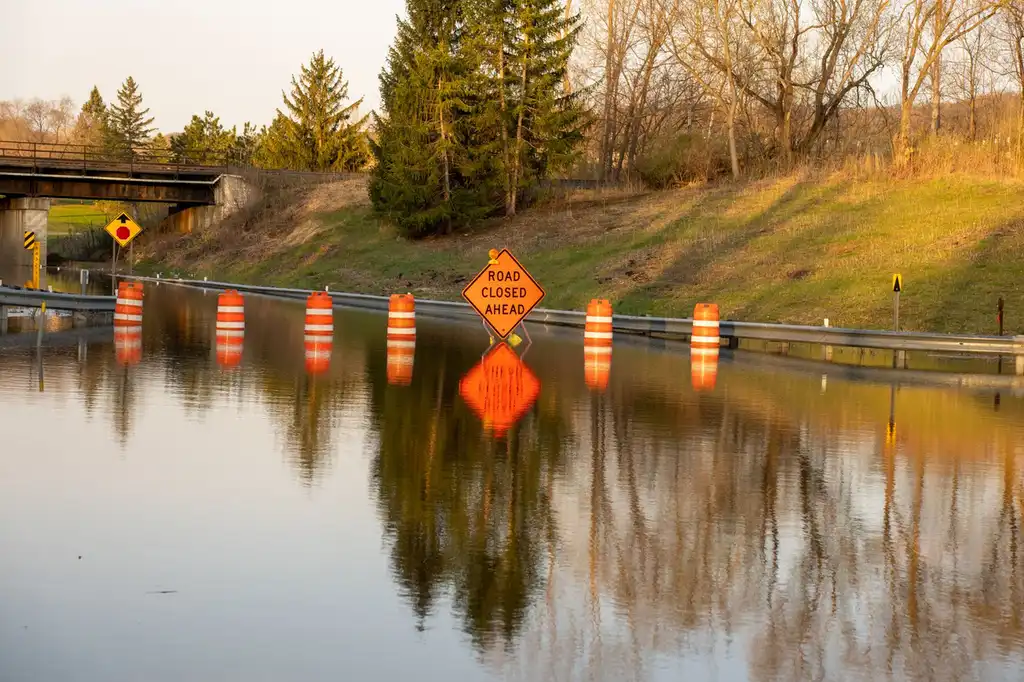
Emergencywaterdamagerepair in Arbor Ridge for Homes

Kuna water damage restoration provides emergencywaterdamagerepair in Arbor Ridge when a pipe breaks, a basement floods, or a roof leak soaks a ceiling. Our crew serves Arbor Ridge North, Arbor Ridge South, and Arbor Ridge Estates, including homes in ZIP code 83634. We locate the water, remove it, and set a measured drying plan so you can see what is wet and what happens next.

emergencywaterdamagerepair in Arbor Ridge

Serving Arbor Ridge homes

  • Readings RecordedMoisture checks guide drying decisions
  • Work Area ProtectedContents moved away from wet surfaces
  • Steps ExplainedYou hear what happens next
  • Equipment CheckedAirflow placement reviewed during work

emergencywaterdamagerepair in Arbor Ridge

emergencywaterdamagerepair in Arbor Ridge is a water damage restoration service that removes unwanted water, limits further building damage, and dries affected materials after leaks or flooding. We help homeowners in Arbor Ridge North, Arbor Ridge South, and Arbor Ridge Estates handle the first hours of a water emergency, from a failed supply line to water standing across a basement floor. Our crew serves this part of Kuna and Ada County, where suburban homes with basements make quick water removal and careful moisture checks especially important. We start by identifying the water source and affected rooms, then use a water extraction unit and moisture meter to guide cleanup. Arbor Ridge emergencywaterdamagerepair includes practical steps for protecting belongings, checking adjoining walls, and documenting visible damage. If you are searching for emergencywaterdamagerepair near Arbor Ridge, call us with the source of the water, how long it has been present, and whether electricity or sewage is involved. That information helps us prepare for the right equipment and safe access.

Arbor Ridge is part of the Kuna community we serve from our local base, and water calls here need a response plan that fits the home rather than a generic cleanup checklist. Family-oriented households often need safe access restored quickly, particularly when water reaches a basement, bedroom, or shared living area. Seasonal freeze-thaw cycles can expose weak plumbing, while sprinkler system leaks can quietly soak a wall or foundation area before anyone notices. We ask what happened, shut down the affected area where safe, and prioritize extraction before the damage spreads. Our service area includes 83634 and surrounding Kuna neighborhoods, so customers have one local number for water removal, drying, and repair coordination.
Water Damage Services in Arbor Ridge

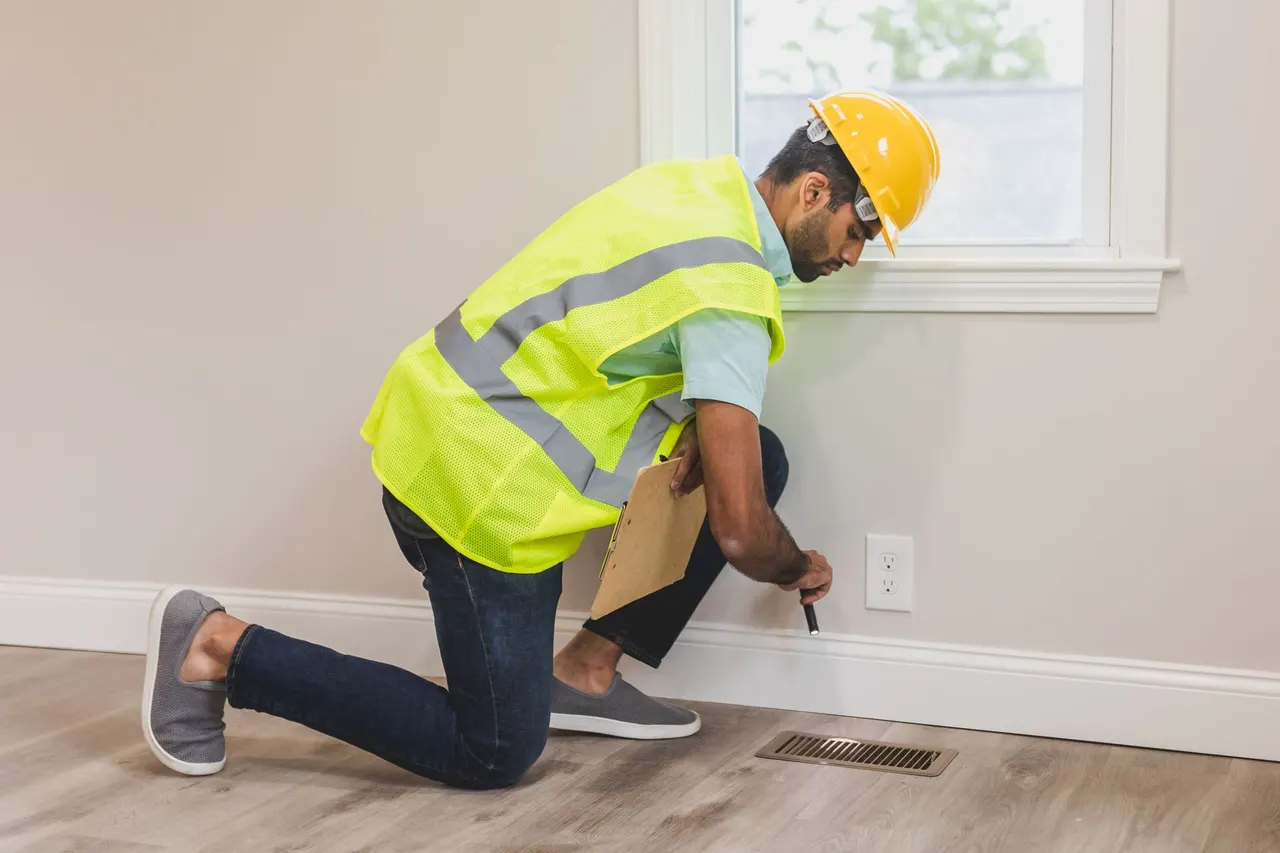
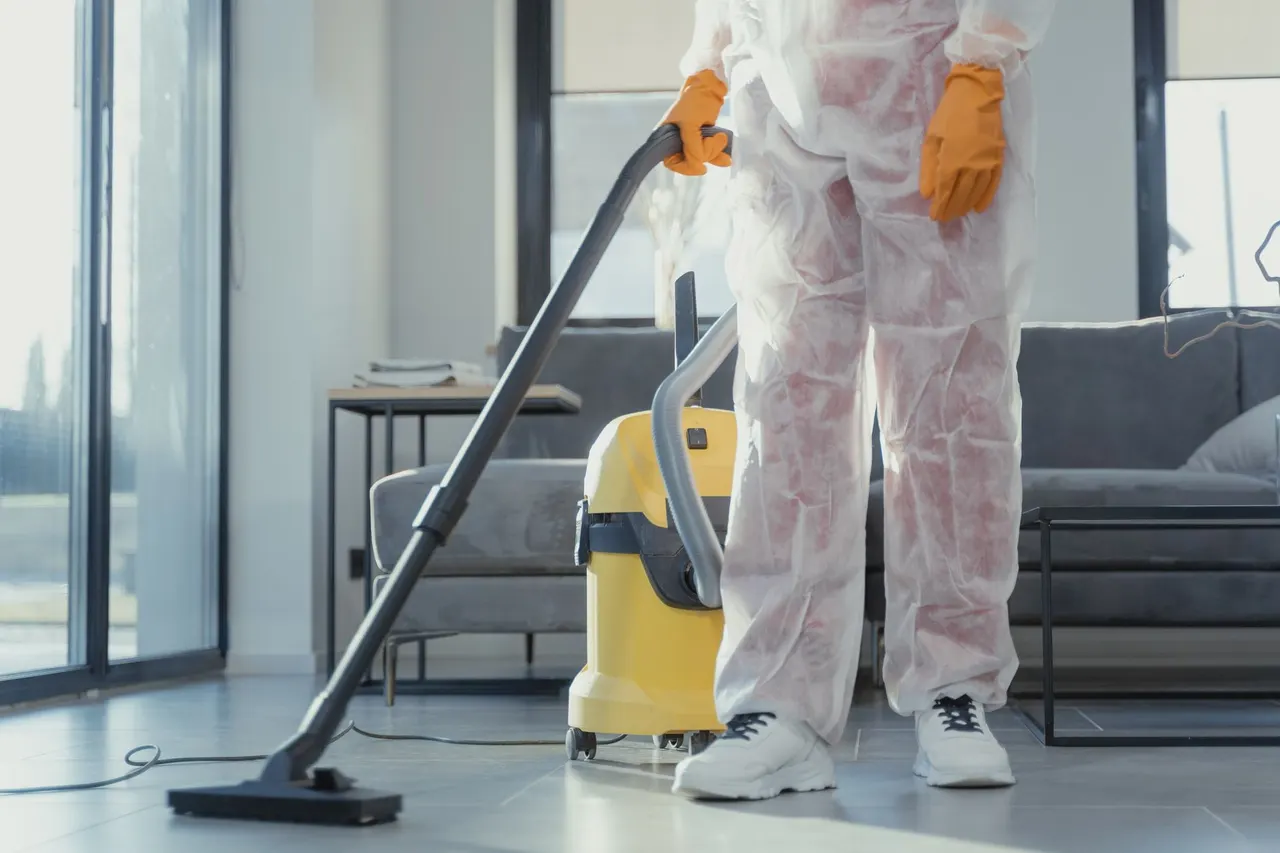
Arbor Ridge water calls range from a few inches of basement water to a leak hidden behind drywall or beneath hardwood flooring. We identify the source, extract standing water, and set drying equipment according to the affected materials and room conditions. For emergencywaterdamagerepair in Arbor Ridge ID near me searches, tell us whether the water is clean, contaminated, or still flowing; that changes the safe first steps. We serve homes across the community and coordinate cleanup through inspection, drying, and repair so you are not left guessing what comes next.

Water restoration for Arbor Ridge

Emergency restoration in Arbor Ridge

Emergency restoration in Arbor Ridge

We locate the water source and mark affected rooms before moving equipment into your Arbor Ridge home. Extraction comes first, followed by moisture checks along floors and walls. You get a clear drying sequence suited to your home's layout.

  • Source and room inspection
  • Measured extraction plan
  • Drying progress checks
Arbor Ridge Home Service

Arbor Ridge Home Service

We restore water-affected rooms in Arbor Ridge homes, from finished basements to upstairs bathrooms. Our work follows the water path and the materials that need drying.

  • Homes with finished basements
  • Two-story plumbing leaks
  • Sprinkler-side wall dampness
  • Carpet and hardwood floors
Arbor Ridge Property Service

Arbor Ridge Property Service

We help property owners address water in occupied and shared spaces while keeping access routes clear. The plan reflects the affected rooms, building use, and source of water.

  • Small offices and suites
  • Shared residential entries
  • Community-use rooms
  • Local property service spaces

Common Water Problems in Arbor Ridge

Arbor Ridge homes include suburban homes with basements, finished living areas, and household plumbing that can be affected by seasonal temperature swings. In November and winter, seasonal freeze-thaw cycles raise concern about vulnerable pipe runs; during warmer months, sprinkler system leaks and roof water entry can show up as damp flooring or ceiling stains. Arbor Ridge water damage cleanup starts by identifying the source and water type, then tracing how far moisture has moved. We do not assume every damp basement needs the same drainage or drying solution.

  • Frozen or burst pipes wetting walls and basement ceilings

    Frozen or burst pipes wetting walls and basement ceilings

    Repeated cold and thaw conditions can stress vulnerable plumbing, especially near exterior walls, utility spaces, or poorly protected sections. A small opening may release water into a wall before a stain appears, then spread to a basement ceiling or finished room. We help limit the water, inspect the visible and adjoining areas, and measure moisture beyond the stain. Extraction and structural drying follow the affected materials. We coordinate plumbing repair when the pipe itself needs work, then verify the cavity is ready for restoration.
  • Sprinkler line leaks leaving damp foundation-side rooms

    Sprinkler line leaks leaving damp foundation-side rooms

    A leaking sprinkler connection can release water near the home over time. Moisture may reach the foundation edge or indoor wall before a resident sees standing water, leaving soft baseboards, damp carpet, or a persistent odor. We confirm the irrigation source is shut off, map the indoor moisture pattern, and inspect the floor-wall junction. We extract affected water and dry the materials indicated by readings. If water entry continues, we explain the need to address the exterior source alongside interior restoration.

  • Sump pump failure allowing water into a basement

    Sump pump failure allowing water into a basement

    A failed pump, blocked discharge, or malfunctioning float can allow water to collect in a below-grade room. Stored contents and finished flooring can hide the extent, while water remains around the sump area and spreads outward. We assess safe access, remove standing water, and inspect the sump area and nearby finishes. We check readings along the floor and lower walls, then discuss pump or discharge repair needs. Drying equipment is positioned only after extraction and the source review.

  • Roof leaks staining ceilings and wetting insulation

    Roof leaks staining ceilings and wetting insulation

    Wind-driven rain, damaged roof materials, or a vulnerable roof opening can send water into attic insulation and ceiling assemblies. The first visible clue may be a ceiling stain far from the point where water entered. We inspect the stain pattern and accessible areas above it, then remove water and dry affected materials after the opening is controlled. Moisture measurements help identify whether insulation or drywall needs attention. We keep source control and interior repair steps clearly separated.

When to Call for Water Damage Help

Watch for these visible changes and call when water is active or materials stay damp.

  • Water pooling on a basement floor

    Standing water can move under stored belongings, carpet, and baseboards before you see the full footprint. If the water is rising or close to electrical equipment, keep out of the area and call for help. We identify a safe route, remove water, and check surrounding materials.

  • A ceiling stain grows after a leak

    A spreading stain often means water is still entering or has traveled through a ceiling cavity. Do not puncture a bulging ceiling; trapped water and weakened material can fall. We trace the source, inspect the nearby floor above, and plan extraction and drying.

  • Carpet feels wet beyond the spill

    Water can run under carpet and saturate padding well past the visible spill. A damp edge or cool patch may signal hidden moisture that ordinary towels cannot remove. We check the extent, extract what can be recovered, and assess whether the padding is salvageable.

  • Baseboards swell or pull away

    Swelling, soft paint, or a gap at the baseboard can indicate moisture in drywall or behind the finish. If the area is left closed while wet, damage can extend into the wall cavity. We measure moisture and identify whether drying access or material removal is needed.

  • Musty odor follows a water event

    A persistent musty smell after a leak points to damp material that may not be visible, such as carpet padding, insulation, or a wall cavity. Odor treatment alone will not dry the source. We inspect, locate the moisture, and address affected materials.

How We Handle Water Damage in Arbor Ridge

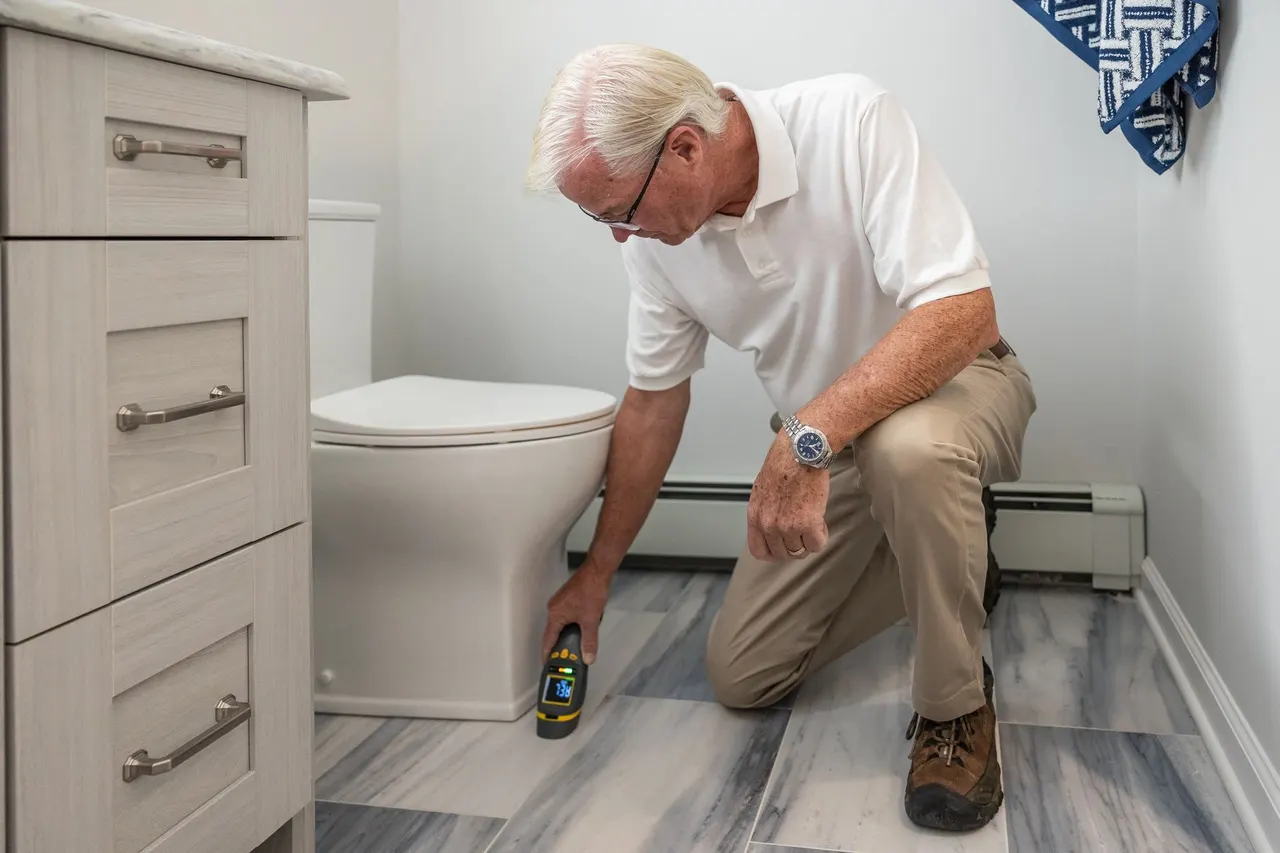
Arbor Ridge emergencywaterdamagerepair starts with a source check, safety review, and extraction plan matched to the affected rooms. We ask whether the water is still flowing, whether it came from a plumbing line or outside, and whether any outlets or appliances are exposed. Our crew uses a moisture meter and thermal imaging camera to identify wet areas beyond visible stains, then positions drying equipment where readings show it is needed. For emergency extraction near Arbor Ridge ID, clear access to the basement entry, utility area, and affected rooms helps us move equipment safely. Seasonal freeze-thaw cycles make frozen pipe calls a practical concern as November moves into winter. We record readings, check them again during drying, and explain the next step before moving from cleanup to repairs. Our work follows applicable safety requirements and recognized water restoration practices, including ANSI/IICRC S500 where appropriate. We serve the 83634 area from Kuna and coordinate work around household access, pets, and the need to keep unaffected rooms usable.

  • Basement water reaches stored belongings before the source is obvious

    In Arbor Ridge homes with basements, a small plumbing leak can spread under stored items and along baseboards. Water that sits beneath boxes or shelving can be missed during a quick visual check, leaving damp surfaces after the floor appears clear. We move or protect contents as needed, extract visible water, and inspect floor edges and lower walls. Moisture readings help us decide where air movers and a dehumidifier should go. We keep a clear path through the basement so you can reach essential utilities safely.

  • Freeze-thaw cycles stress exposed plumbing and exterior connections

    As temperatures move below and above freezing, vulnerable pipe sections and outdoor connections can experience repeated stress. A leak may appear as a sudden ceiling stain or wet cabinet rather than an obvious burst, especially if water has traveled through a wall cavity. We help you identify the affected area and limit water flow where safe, then inspect surrounding materials for hidden spread. Our team extracts water and records moisture before drying begins. We coordinate with a plumber when the water source needs a repair beyond restoration work.

  • Sprinkler system leaks can soak landscaping-side walls

    A leaking sprinkler line may release water over time and leave dampness near a foundation or lower wall. Because the water can be outside the living area initially, homeowners may notice odor, staining, or soft baseboards only after moisture has moved indoors. We trace the indoor moisture pattern and check the wall and floor area with measurement tools. Once the irrigation source is shut off, we remove affected water and set drying equipment according to the materials involved. We document the readings so you can follow progress.

  • ANSI/IICRC S500 water damage restoration standard

    ANSI/IICRC S500 provides recognized procedures for water damage assessment, extraction, drying, and documentation. We use its principles to organize the restoration process in Arbor Ridge, while adapting equipment placement and material decisions to the actual conditions in your home.

  • Idaho contractor license and applicable building requirements

    Repair work that falls under Idaho contractor licensing or local building requirements must be handled in line with those rules. We distinguish emergency mitigation from repair work and coordinate appropriate licensed trades where plumbing or construction work requires their scope.

Arbor Ridge Landmarks and Access

Arbor Ridge Park and the Arbor Ridge trail system are useful orientation references when you describe where your home sits within the community. They help clarify the general area, but the service address remains the key detail for reaching your door. When you call, tell us which entrance is easiest for carrying extraction equipment and whether a driveway, gate, or basement stairwell affects access. We confirm the destination and arrival instructions before unloading.

  • Arbor Ridge Park

    Arbor Ridge Park is a named local orientation point residents can use when describing the general part of Arbor Ridge they are calling from. We still use the full property address to identify the correct home and select its accessible entrance.

  • Arbor Ridge trail system

    The Arbor Ridge trail system provides another familiar reference for locating the surrounding community. Mentioning the nearest trail access can help clarify a general direction, while the street address and entry instructions guide the final approach.

  • Arbor Ridge Estates

    Arbor Ridge Estates is a neighborhood reference within the service area. It helps us understand which part of Arbor Ridge you mean, but it is not a substitute for the specific address needed to plan arrival and equipment access.

Arbor Ridge Neighborhood Coverage

We serve homes throughout Arbor Ridge, including Arbor Ridge North, Arbor Ridge South, and Arbor Ridge Estates. Each call is routed by the affected address and access needs, not by a broad neighborhood label alone. Tell us where water entered, which level is affected, and whether a basement stairway or narrow side access is involved; that helps us plan equipment movement and protect clear paths through your home.

  • Arbor Ridge North
  • Arbor Ridge South
  • Arbor Ridge Estates
  • Arbor Ridge Park area

Arbor Ridge Water Damage Examples

  • Arbor Ridge South

    Before

    A supply line leak in an Arbor Ridge basement wet carpet, lower drywall, and stored items before the homeowner noticed water at the stair landing.

    After

    We would first isolate the affected zone and confirm the water source was controlled, then extract water from the floor and inspect the carpet padding and wall edges. Contents would be moved away from the wet area, and moisture readings would guide placement of air movers and a dehumidifier. We would record the affected rooms and recheck readings during drying. A measured plan covering the basement floor, lower wall, and contents gives the homeowner a clear sequence for cleanup. Drying completion is based on follow-up readings rather than a fixed calendar promise.

  • Arbor Ridge North

    Before

    A winter pipe failure behind a laundry wall left ceiling water stains in the room below and wet insulation inside the cavity.

    After

    We would map the ceiling and adjoining wall with moisture checks, remove water from affected surfaces, and coordinate source repair with a plumber. After access to the cavity, we would dry framing and remaining materials, then verify readings before finish repairs. The homeowner would receive a record of the water path and the areas requiring restoration. This approach addresses the stain and concealed wet materials together. The repair sequence avoids closing the wall or ceiling before the affected cavity has been checked and dried.

  • Arbor Ridge Estates

    Before

    A sprinkler system leak near an Arbor Ridge foundation left a persistent damp strip along baseboards and carpet edges in a family room.

    After

    We would confirm the irrigation leak had stopped, inspect the wall-floor junction, and extract water from carpet and padding where appropriate. Moisture mapping would show whether water had moved behind baseboards or into drywall. We would then set targeted drying equipment and explain any material removal needed to reach trapped moisture. The homeowner gets a defined affected-area map, extraction, and a follow-up moisture check. Addressing both the irrigation source and indoor materials helps prevent the same wet strip from being treated as a surface-only issue.

Arbor Ridge Customer Feedback

4.9

  • Our basement had water near the storage shelves after a pipe leak. The crew moved the wet boxes, extracted the floor, and checked the lower drywall instead of stopping at the puddle. They explained where the dehumidifier would sit and came back to take readings. We knew which areas were still drying and could keep the rest of the basement accessible.
    Megan R.Arbor Ridge South
  • A ceiling stain appeared after a leak upstairs, and I was worried about what had soaked through. The team checked the room above and below, used a moisture meter, and explained the drying steps before starting. They kept the work area clear and showed us the readings during follow-up. The cause and the repair sequence were much easier to understand.
    David L.Arbor Ridge North
  • Water from a sprinkler line had reached the carpet edge and baseboard. The crew checked beyond the visible damp spot, extracted water, and set equipment where the measurements called for it. They also explained which belongings needed to move. The room was left organized for drying, and we received a clear update on what would be checked next.
    Sonia P.Arbor Ridge Estates

Seasonal Water Damage in Arbor Ridge

  • Spring

    As temperatures rise, changing ground moisture can reveal seepage at basement edges or around foundation openings. Snowmelt and spring rain can also expose gutter or drainage problems. Watch for damp baseboards, water marks, and musty odors after wet weather. Check the basement after heavy rain and keep stored items off the floor. If water appears, note where it enters and whether the sump pump is running before calling.

  • Summer

    Sprinkler system leaks and plumbing failures can leave persistent damp areas during warmer weather. A small irrigation leak may wet a foundation-side wall gradually, while a sudden supply-line break can soak flooring quickly. Inspect irrigation zones for unexpected wet patches and shut off a leaking line if safe. Call when indoor materials become wet; do not wait for a visible stain to grow.

  • Fall

    Fall is a useful time to notice roof, gutter, and downspout issues before colder temperatures arrive. Water spilling near a wall or a ceiling stain after a storm can signal an entry point that should be addressed before winter. Clear leaves from accessible gutters and check for new stains after rain. Arrange prompt inspection if a ceiling, attic area, or basement wall shows fresh moisture.

  • Winter

    Winter brings the strongest concern for frozen pipes and sudden leaks as temperatures shift around freezing. A pipe failure can release water into a wall, ceiling, or basement before the source is easy to see. Keep an eye on cold-side plumbing and utility spaces. Know where the main shutoff is and protect vulnerable pipes. If a line leaks, shut water off when safe, avoid wet electrical areas, and call for extraction and inspection.

Questions Before Hiring a Restoration Crew

Before hiring emergencywaterdamagerepair in Arbor Ridge, ask how the crew identifies hidden moisture, what equipment they use, and how they decide when drying is complete. A capable contractor explains the difference between water removal, structural drying, and repair instead of treating them as one step. Ask who handles contaminated water, how readings are recorded, and whether the team works under applicable Idaho requirements. You should be able to understand the plan and the price before work proceeds.

  • How will you find water behind the wall or under flooring?

    The visible stain rarely marks the full wet area. A clear answer should describe inspection and moisture measurement, not guesswork or cutting material without a reason. Ask how readings will be tracked so you can see which areas were checked and whether the drying plan needs adjustment.

  • What equipment will you use in my basement?

    The right setup depends on water depth, room layout, and material type. The contractor should explain extraction equipment, air movement, and dehumidification in practical terms, including how cords and machines will be placed without blocking essential access or creating a trip hazard.

  • How do you handle sewage or contaminated water?

    Contaminated water requires a different cleanup process from a clean supply-line leak. A good answer covers restricted access, appropriate protective measures, cleaning, and decisions about porous materials. Avoid a crew that treats every water source as ordinary floor drying.

  • How do you document drying progress and completion?

    Dry-looking surfaces can still contain moisture beneath the finish. Ask whether the team records readings and revisits affected materials during the job. Clear measurement-based updates help you understand why equipment stays in place and when restoration can move to repairs.

  • Who handles plumbing repairs and restoration work?

    Mitigation removes water and dries materials, while plumbing repairs stop the source and construction repairs restore finishes. A direct answer explains which work the crew performs and when a qualified trade is involved, so the leak is not left active behind a completed repair.

Arbor Ridge emergencywaterdamagerepair FAQs

Still wondering? (833) 546-4116

Local service team

Call for emergencywaterdamagerepair in Arbor Ridge

If water is spreading through your Arbor Ridge home, call Kuna water damage restoration at (833) 546-4116. We will ask what happened, where water is showing, and whether anyone faces an electrical or contamination hazard. Our team serves Arbor Ridge, Ada County, and the 83634 area with extraction, inspection, and drying support. Call now to discuss the next practical step.

Contact the Kuna Team

Call (833) 546-4116 when water reaches your home or business in Kuna, Idaho. Tell us whether the source is still active, which rooms are affected, and when the damage began; that helps direct the next steps. Calls are accepted at any hour for emergency inquiries, and service coverage includes Kuna, ID, with ZIP codes 83634 and 83642.

Thanks. Your request is in and the team will follow up shortly.