Emergencywaterdamagerepair in Falcon Ridge, Done Right

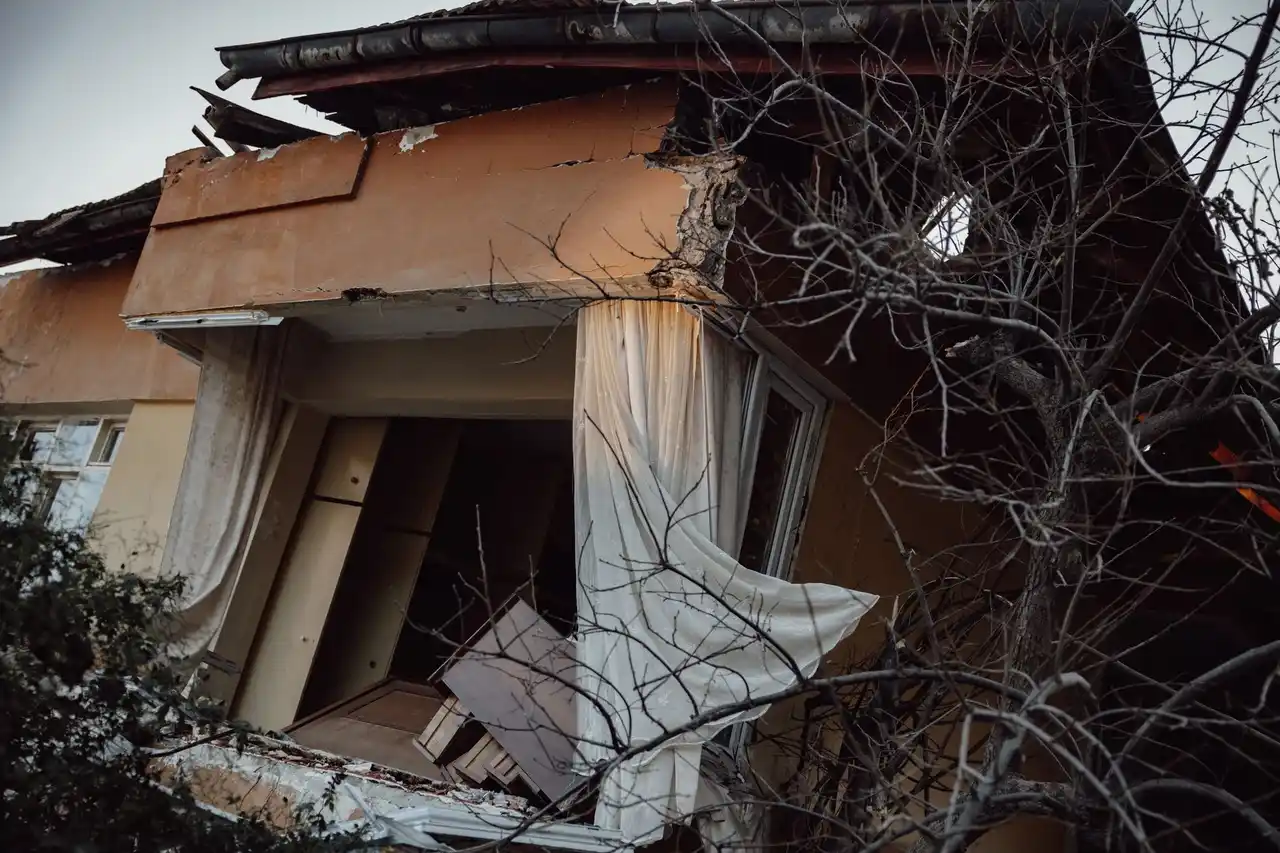
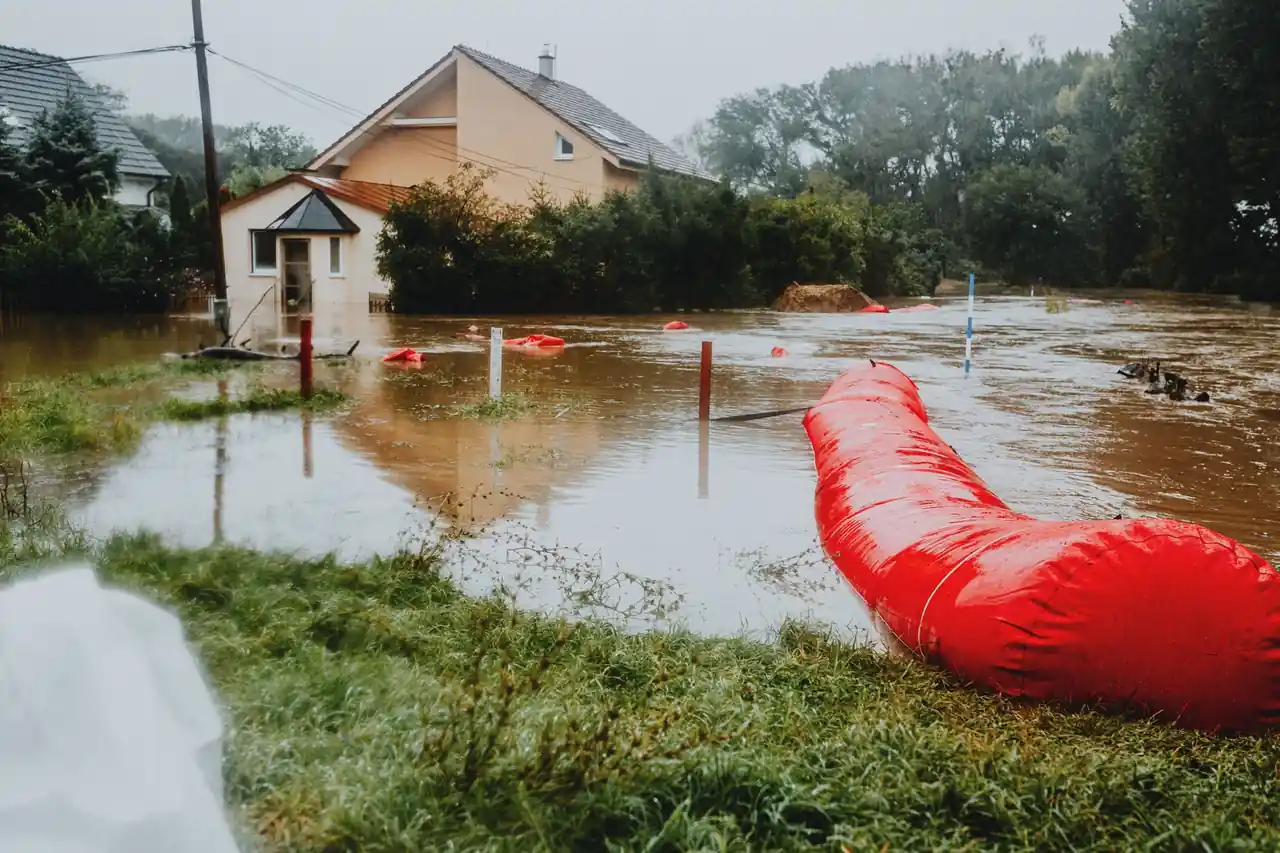
Kuna water damage restoration provides emergencywaterdamagerepair in Falcon Ridge when a pipe breaks, water enters a basement, or a roof leak soaks finished rooms. Our crew serves the family subdivision around ZIP 83634, including Falcon Ridge North and Falcon Ridge South. Falcon Ridge emergencywaterdamagerepair starts with stopping the water, extracting what is visible, and checking hidden moisture before drying equipment goes in.

emergencywaterdamagerepair in Falcon Ridge

Serving Falcon Ridge homes

  • Readings RecordedMoisture checks guide drying decisions
  • Work Area ProtectedContents moved away from wet surfaces
  • Steps ExplainedYou hear what happens next
  • Equipment CheckedAirflow placement reviewed during work

emergencywaterdamagerepair in Falcon Ridge, Locally Delivered

emergencywaterdamagerepair in Falcon Ridge is a water damage response service that removes unwanted water, identifies affected building materials, and starts drying after a leak or flood. Our Kuna-based crew serves Falcon Ridge North and Falcon Ridge South, where newer homes often have finished flooring, drywall, and enclosed utility spaces that need careful moisture checks. We handle water extraction, structural drying, cleanup, and repair coordination from the first call through the drying readings.

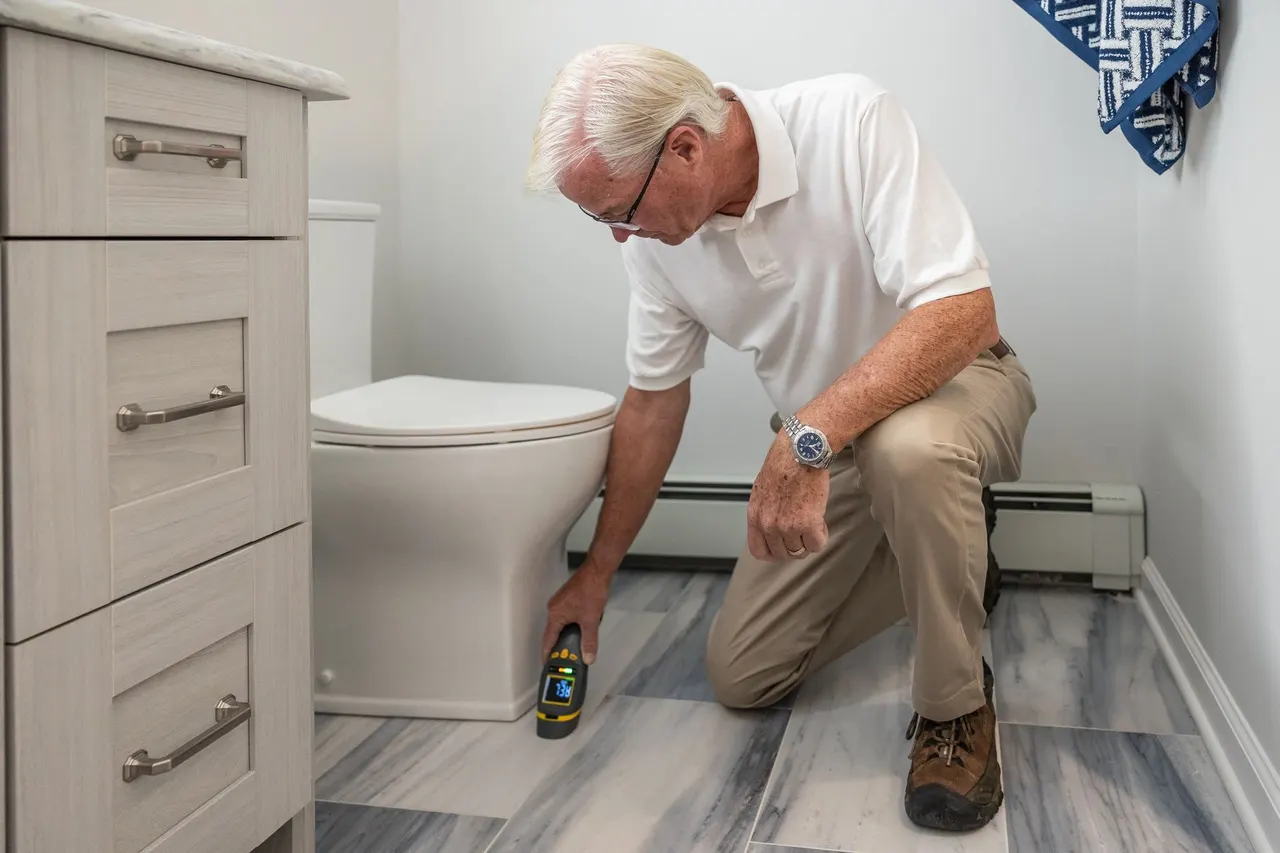
Falcon Ridge sits within our service area in Ada County, and local conditions matter. Elevated terrain and runoff concerns make it important to distinguish a plumbing leak from water entering around a foundation after weather changes. We use a moisture meter and thermal imaging camera to trace affected areas rather than relying only on visible stains. The goal is to remove standing water promptly, protect unaffected rooms, and document what needs attention.

For water damage restoration Falcon Ridge ID homeowners can call Kuna water damage restoration for a direct assessment and practical next steps. We explain the work, photograph affected areas, and track moisture as materials dry. If you are searching for emergencywaterdamagerepair near Falcon Ridge, call (833) 546-4116 and tell us where the water is coming from and whether it is still flowing.

Falcon Ridge is part of the Kuna community we serve, and the area's newer homes bring specific restoration needs: finished basements, connected living spaces, and modern plumbing routed through walls and floors. During winter, a frozen pipe can release water into a room before anyone sees the source; after storms, runoff can test drainage and foundation details. We respond to those practical situations with extraction and moisture mapping, not guesswork. Our service coverage includes ZIP 83634 and nearby Kuna neighborhoods. We plan access around occupied homes and family routines, protect walkways and furnishings, and keep equipment placement clear of main household paths. If water has reached carpet, hardwood flooring, or a lower-level room, early extraction helps reduce the amount of material that must be removed.

Falcon Ridge Emergency Water Services

Water emergencies in Falcon Ridge range from a small supply-line leak to several inches of standing water after a sump pump failure. Newer homes can conceal moisture behind drywall or beneath flooring, so visible cleanup is only the first step. We inspect the source and affected rooms, extract water, and set drying equipment based on material readings. If you need emergency water extraction near Falcon Ridge ID, tell us whether the water is clean, contaminated, or still entering the home; that helps us plan the right response.

How restoration works here

Emergency restoration in Falcon Ridge

Emergency restoration in Falcon Ridge

We locate the water source and protect dry areas before removing standing water. In Falcon Ridge homes, we check connected rooms and floor transitions for hidden spread. Readings guide equipment placement and show when drying has progressed.

  • Source and room assessment
  • Targeted water extraction
  • Repeat moisture checks
Falcon Ridge Homes

Falcon Ridge Homes

We restore occupied homes by containing the affected area and keeping household routes clear. Our crew checks finishes and hidden moisture before planning drying or removal.

  • Newer family homes
  • Finished lower-level rooms
  • Hardwood and carpet floors
  • Utility and laundry areas
Falcon Ridge Properties

Falcon Ridge Properties

We assess water damage in occupied work spaces and residential-support properties with attention to access and contents. The response follows the water source and affected materials.

  • Small office suites
  • Retail work spaces
  • Community-use interiors
  • Property management units

Common Falcon Ridge Water Problems

Falcon Ridge's newer homes and family subdivision layout can hide leaks behind finished walls, under flooring, and around utility connections. Winter cold raises the risk of frozen pipes, while storm periods can expose drainage weaknesses or lead to water entry at lower levels. Elevated terrain and runoff concerns are reasons to inspect the direction of water around a property, not proof that a particular home has a drainage defect. Falcon Ridge emergencywaterdamagerepair begins by confirming the source and water type before drying or cleanup.

  • Frozen supply lines leaking into finished rooms during winter cold

    Frozen supply lines leaking into finished rooms during winter cold

    When a line is exposed to freezing conditions, ice can restrict flow and pressure can damage the pipe or fitting. A leak may become visible only after thawing, allowing water to run into nearby rooms and wall cavities before the source is discovered. We help isolate the leak, extract water, and check connected rooms for hidden moisture. We use readings to determine whether drywall, insulation, or flooring needs drying or removal, then document the condition before repairs close the affected area.

  • Storm runoff entering lower-level rooms or foundation edges

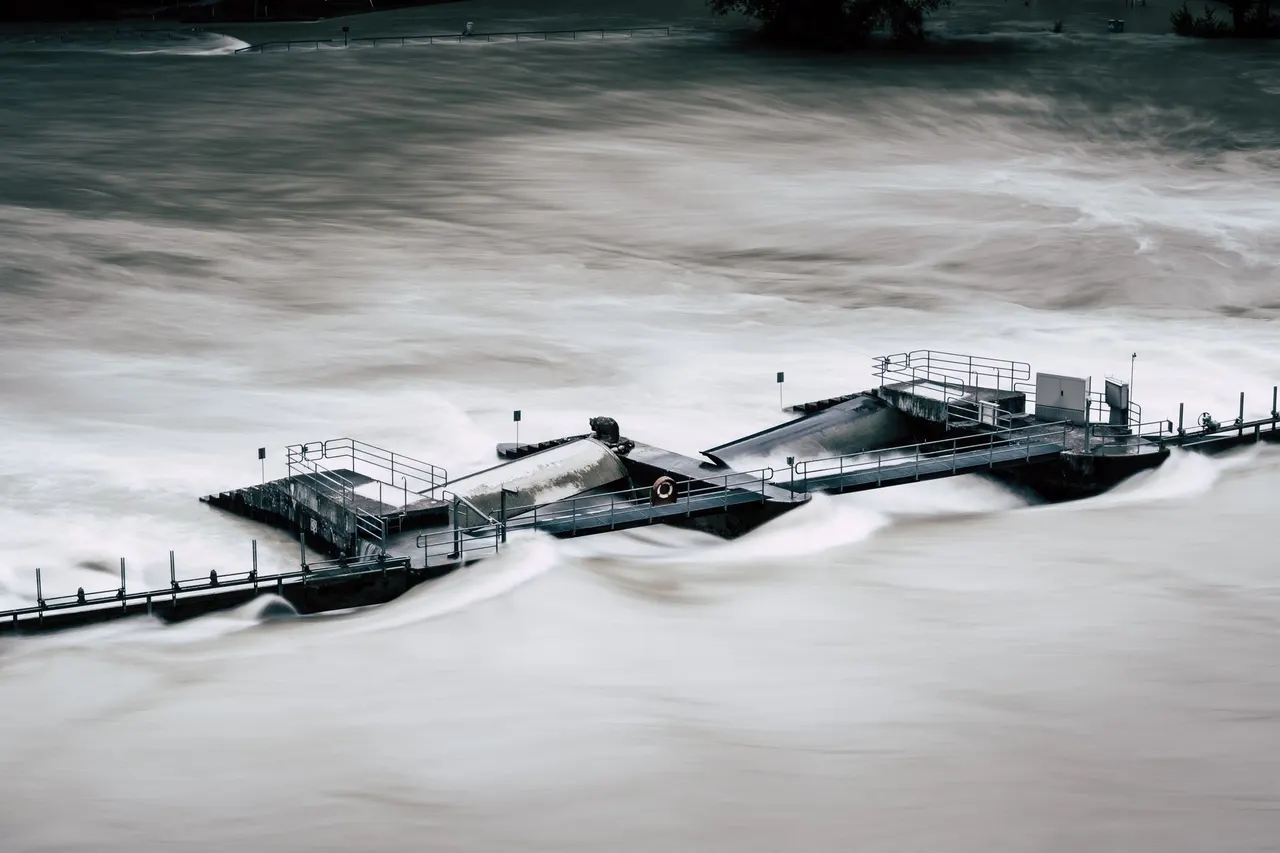
    Storm runoff entering lower-level rooms or foundation edges

    Heavy precipitation can reveal grading, entry, or drainage issues at a specific property. Falcon Ridge's elevated terrain and runoff concerns make it useful to inspect how water approaches the home, but each event requires site-specific assessment rather than assuming a neighborhood-wide cause. We remove water and map the wet area, then inspect accessible entry points and the floor-wall junction. If drainage correction is needed, we explain the relevant repair path and coordinate work such as sump or French drain service where suitable.

  • Appliance or fixture leaks spreading under flooring

    Appliance or fixture leaks spreading under flooring

    A failed appliance hose, toilet seal, or fixture connection can release water out of sight behind cabinets or beneath finished floors. Newer homes may have continuous flooring across adjoining spaces, so a leak can affect more than the room where it began. We confirm the likely source, extract accessible water, and compare readings across connected flooring and baseboards. We explain which materials can be dried in place and where inspection access is needed before repair work proceeds.

  • Sump pump failure leaving standing water below grade

    Sump pump failure leaving standing water below grade

    A failed pump, power interruption, blocked discharge, or overwhelmed system can allow water to collect in a lower-level space. Water may affect stored belongings, wall finishes, and the sump area before residents notice the pump is not cycling. We remove standing water, inspect the pit and visible discharge setup, and assess affected contents and materials. After cleanup, we identify whether the pump or drainage system needs repair so the same failure is less likely to leave the room wet again.

When to Call for Water Damage Help

Notice spreading water, soft drywall, a growing ceiling stain, or a musty odor? Call for an inspection.

  • Water keeps spreading after shutoff

    A growing wet area can indicate the source is still active or water is moving through a wall, floor, or ceiling cavity. In Falcon Ridge, turn off the relevant supply only if safe, move belongings from the path, and call for extraction. Do not cut into a ceiling that is sagging.

  • Ceiling stain grows or begins to sag

    A spreading stain means water may be accumulating above the finish, often around a roof or plumbing leak. A soft or bulging ceiling can fail without warning. Keep people clear of the area and arrange inspection before attempting to puncture or patch it.

  • Floorboards cup or carpet stays wet

    Swelling hardwood or persistently wet carpet suggests moisture has reached beneath the visible surface. Carpet padding can hold water even after the pile feels less wet. Prompt extraction and moisture checks help determine whether flooring can be dried or needs removal.

  • Musty smell follows a leak or flood

    A persistent musty odor can point to damp materials that were missed during surface cleanup. Check around baseboards, cabinets, and lower-level walls, but do not cover the smell with fragrance. An inspection can locate the moisture source and determine whether cleaning or material removal is needed.

  • Sump pump stops during rising water

    If the pump stops while water is entering a basement or crawl space, water can accumulate quickly around stored items and lower walls. Avoid standing water near electrical equipment. Call for safe removal and pump assessment, then address the reason the system failed.

How Falcon Ridge Water Response Works

Falcon Ridge water damage cleanup starts with a call that establishes the water source, affected level, and immediate safety concerns. We schedule access to the home, protect the route from the entry to the wet room, and begin with extraction where standing water is present. A moisture meter and hygrometer help establish baseline readings; the thermal imaging camera can help locate temperature patterns that warrant closer checking.

  • Runoff can reach lower-level entries after intense local storms.

    Water at a basement entry or foundation edge needs a source check before cleanup is complete. If the entry remains active, extraction alone will not prevent another wet floor, and stored contents may block access to the affected wall. We remove water, inspect the entry and nearby foundation surfaces, and map moisture along the floor-wall joint. We document visible drainage concerns and coordinate appropriate repair options, including sump or drainage work where the property needs it.

  • Newer homes can hide water behind finished walls and flooring.

    A small visible stain can sit above wet insulation or spread beneath flooring. Closing the wall before checking moisture risks trapping damp material and creating a later odor or mold problem. We compare moisture readings across the wet area and adjacent surfaces, use targeted imaging to guide inspection, and explain when a cavity needs access. We keep the drying plan tied to readings, not simply to how dry the room feels.

  • Winter pipe failures can affect several connected rooms quickly.

    A frozen pipe or failed fitting can release water into kitchens, utility spaces, and rooms below. Water may travel beneath baseboards and into carpet padding before the leak is obvious. We help locate and isolate the affected area, extract water promptly, and check adjoining rooms and lower-level finishes. We record readings and set air movers and dehumidification where they support drying without blocking household access.

  • ANSI/IICRC S500 water damage restoration standard

    ANSI/IICRC S500 provides recognized guidance for assessing water damage, classifying conditions, extracting water, and drying structures. Our Falcon Ridge work uses its principles to organize inspection and monitoring; it does not replace applicable building or plumbing requirements.

  • Idaho contractor license and applicable local building requirements

    Repair work that falls under contractor or trade licensing requirements must be performed by appropriately qualified parties. For Falcon Ridge projects, we distinguish restoration and drying from regulated plumbing or reconstruction work and coordinate the correct trade when the repair requires it.

Falcon Ridge Landmarks for Orientation

Falcon Ridge Park and the Falcon Ridge trail offer familiar orientation references when residents describe where a home sits within the subdivision. Our crew still confirms the street address before dispatch and uses the actual entry, driveway access, and room location to plan equipment movement. For larger extraction equipment, tell us about narrow side access, gates, or stairs when you call. Landmark references help locate the general area; they are not evidence of a water-damage cause.

  • Falcon Ridge Park

    Falcon Ridge Park is a named local orientation point for residents describing the nearby part of Falcon Ridge. Providing it alongside your street address can help clarify the general location, while the address remains necessary for routing to a specific home.

  • Falcon Ridge trail

    The Falcon Ridge trail is another local reference residents may use when explaining where a property is located. It can support wayfinding within the area, but the service team confirms the property address and access instructions before arriving.

Falcon Ridge Neighborhood Coverage

Our coverage includes both named sides of Falcon Ridge and the surrounding residential streets within ZIP 83634. We plan each visit around the actual water source, home access, and affected floor level. If your address sits near the edge of the subdivision, share a nearby cross street or landmark so we can confirm the best approach before arrival.

  • Falcon Ridge North
  • Falcon Ridge South
  • Falcon Ridge Park vicinity
  • Falcon Ridge trail vicinity

Falcon Ridge Water Damage Work

  • Falcon Ridge North

    Before

    A supply-line leak wet a kitchen floor and continued beneath the baseboards into an adjoining family room.

    After

    Our response began by stopping the water and extracting the visible surface water. We checked the floor transitions, baseboards, and nearby wall surfaces with a moisture meter, then placed drying equipment where readings showed continued moisture. The homeowner received a room-by-room explanation of the affected area and follow-up checks. The example work plan included 2 affected rooms, 1 extraction visit, and repeat moisture checks over 3 drying days. Those figures describe a representative scenario, not a guaranteed duration.

  • Falcon Ridge South

    Before

    A lower-level room took on water after a sump pump stopped during wet weather, leaving water across the floor.

    After

    We removed standing water, inspected the sump area and floor-wall joint, and checked stored contents before setting a drying plan. The crew separated items that could be protected from wet materials needing disposal, then monitored humidity and surface readings as the space dried. A representative response removed about 1 inch of water from a 300-square-foot room, followed by 4 daily drying checks. Actual volumes and schedule depend on the event.

  • Falcon Ridge Park vicinity

    Before

    A winter pipe leak above a hallway ceiling left a stain and damp drywall extending into an adjacent room.

    After

    We identified the affected ceiling area, protected the floor and furnishings, and checked the connected wall and room below. Readings helped determine where access was needed and whether insulation had become wet. After extraction and drying, we documented the repair area for the next phase. The illustrative plan covered 2 rooms, 12 moisture checkpoints, and 2 equipment adjustments over 48 hours. The final repair scope depends on material condition.

Falcon Ridge Customer Feedback

4.9

  • A washing machine hose let go while we were out, and water reached the kitchen and the edge of the family room. The crew extracted the water, checked beneath the baseboards, and explained why the hallway also needed readings. They came back to check drying progress and kept the main walkway clear. I appreciated the specific updates instead of vague promises.
    Megan R.Falcon Ridge North
  • Our lower-level room had water after the sump stopped working. The team removed the standing water, checked the floor-wall edge, and showed us the readings before placing equipment. They also separated items that could be cleaned from things that had to be discarded. The work was organized, and we knew what the next visit was for.
    Chris T.Falcon Ridge South
  • We noticed a ceiling stain after a leak and called before it spread further. The crew checked the ceiling and the room beside it, found moisture beyond the visible mark, and explained the drying steps. They documented the affected area and returned for measurements. The clear sequence helped us coordinate the repair without guessing what was still wet.
    Dana L.Falcon Ridge Park vicinity

Falcon Ridge Seasonal Water Risks

  • Spring

    Changing temperatures and wet weather can expose drainage or roof-entry problems. In Falcon Ridge, check lower-level corners, foundation edges, and crawl spaces after heavy rain. A sump pump that cycles often or a new damp odor deserves attention before stored items and finishes are affected. Test the sump pump safely and keep its discharge path clear. If water appears, photograph the area, move belongings only when safe, and call before covering a damp wall or floor.

  • Summer

    Summer storms can bring short periods of intense rain, wind-driven roof leaks, or water entry around doors and lower-level openings. Warm indoor conditions do not dry trapped moisture beneath flooring or inside walls, so a small stain still needs a source check. After a storm, inspect ceilings and exterior-facing rooms for new stains. Do not use household fans on contaminated water; arrange extraction and an assessment of affected materials.

  • Fall

    Falling leaves and seasonal rain make gutter flow and exterior drainage worth checking before winter. A blocked gutter can spill water near a foundation, while a roof defect may become more obvious during repeated storms. Inspect accessible areas without climbing an unsafe roof. Clear gutters from safe access or arrange professional maintenance. Check that downspouts discharge away from the home and report interior dampness before cold weather limits drying conditions.

  • Winter

    Freezing conditions can damage vulnerable plumbing, and a pipe leak may release water once temperatures rise. Falcon Ridge homes with plumbing near exterior walls or unheated spaces deserve attention during cold spells. Water from a burst line can spread through several finished rooms quickly. Keep vulnerable areas adequately heated and know where the main water shutoff is. If a pipe leaks, shut water off only if safe, avoid electrical hazards, and call for extraction and moisture checks.

Questions Before Hiring a Restoration Crew

A good water restoration contractor should explain what happens first, what is being measured, and how the crew will know when drying is complete. Falcon Ridge homeowners should also ask how the team handles contaminated water, protects occupied rooms, and documents affected materials. Clear answers matter more than broad claims. You should know who is entering your home, what equipment will be placed, and how progress will be communicated while the room is out of service.

  • Will you check beyond the visible stain?

    Water often moves behind baseboards, under flooring, or into the room below. A contractor should describe how moisture readings and inspection guide the affected boundary. If the crew plans to treat only the visible mark, concealed wet materials could be left behind.

  • How will you document drying progress?

    Repeat readings show whether materials are drying and whether equipment needs adjustment. Ask what locations will be checked and how those findings will be shared. Documentation also gives you useful information when coordinating repairs or discussing the loss with an insurer.

  • How do you handle sewage or outdoor runoff?

    Contaminated water requires different protective measures and cleanup than a clean supply-line leak. The answer should cover separation, removal of porous materials where needed, and suitable cleaning. Ordinary fans and household cleaners are not a substitute for controlled cleanup.

  • Who handles the plumbing or building repair?

    Restoration drying and regulated trade repairs are related but distinct tasks. You should know whether the crew will perform a repair or coordinate a qualified trade. That distinction prevents a wet area from being closed before the leak or water-entry source is corrected.

  • What will affect the final cost?

    Water volume, contamination, materials, access, and drying time are the main cost drivers. A useful answer identifies which conditions apply to your Falcon Ridge home and explains the work before it proceeds. Vague pricing without a discussion of affected areas is not useful.

Falcon Ridge emergencywaterdamagerepair FAQs

Still wondering? (833) 546-4116

Local service team

Call for emergencywaterdamagerepair in Falcon Ridge

If water is spreading through your Falcon Ridge home, call Kuna water damage restoration at (833) 546-4116. Tell us what failed, where water has reached, and whether the area is safe to enter. Our team will identify the next practical step and arrange service for your location. We serve Falcon Ridge and nearby Kuna homes in Ada County, Idaho.

Contact the Kuna Team

Call (833) 546-4116 when water reaches your home or business in Kuna, Idaho. Tell us whether the source is still active, which rooms are affected, and when the damage began; that helps direct the next steps. Calls are accepted at any hour for emergency inquiries, and service coverage includes Kuna, ID, with ZIP codes 83634 and 83642.

Thanks. Your request is in and the team will follow up shortly.